
 Befrey
Proteins are one of the most important nutrients that every human body needs to survive, grow, and stay healthy. Also called “the building blocks of life,” proteins are vital macronutrients that affect nearly every function in the body. They play a key role in building muscles, repairing tissues, producing hormones, and supporting the immune system. Understanding what proteins are, how they are classified, and which foods contain the most protein can help you make smarter dietary choices and improve overall health.
What Are Proteins?
Proteins are large, complex molecules made up of amino acids. Amino acids are organic compounds that link together in different sequences to form specific types of proteins. There are 20 different amino acids, and nine of them are considered essential because the human body cannot produce them on its own. That means we must get these amino acids from protein-rich foods.
Proteins are present in every cell of the human body. They are crucial for:
-
Growth and development of tissues
-
Repairing damaged cells
-
Enzyme and hormone production
-
Supporting metabolic processes
-
Strengthening hair, skin, and nails
Because of these vital roles, consuming enough protein daily is necessary for maintaining energy, immunity, and physical performance.
Types of Proteins
Proteins can be divided into several categories based on their structure, function, and source.
Complete vs. Incomplete Proteins
-
Complete proteins contain all nine essential amino acids. These are usually found in animal-based foods like meat, fish, eggs, and dairy.
-
Incomplete proteins lack one or more essential amino acids. Most plant-based foods fall into this category, but by combining them (for example, rice with beans), you can achieve a complete protein intake.
Animal Proteins
Animal proteins are considered high-quality proteins because they provide all essential amino acids in the right balance. Examples include chicken, beef, pork, fish, eggs, and milk.
Plant Proteins
Plant proteins are vital for vegetarians and vegans. Sources include beans, lentils, tofu, tempeh, quinoa, nuts, and seeds. Although some plant proteins are incomplete, they are still valuable for health and can easily be combined for maximum benefits.
Structural Proteins
These proteins provide strength and support to tissues and organs. Collagen and keratin are examples.
Functional Proteins
These proteins include enzymes and hormones that regulate chemical reactions in the body.
How Proteins Influence the Body
Proteins have a profound impact on the human body, influencing everything from metabolism to mood.
Muscle Growth and Repair
Proteins are essential for muscle development. Athletes and people who exercise regularly require higher protein intake to repair microtears in muscle fibers and promote growth.
Weight Management
High-protein diets can help with weight control because protein increases satiety. It keeps you fuller for longer and reduces unnecessary snacking.
Energy Levels
While carbohydrates are the body’s primary energy source, proteins also provide energy when needed, especially during low-carb diets.
Immune System Support
Antibodies are proteins that fight infections. Without enough protein, the immune system weakens, making the body more vulnerable to illness.
Hormonal Balance
Proteins regulate hormones such as insulin and glucagon, which help control blood sugar levels.
Foods High in Protein
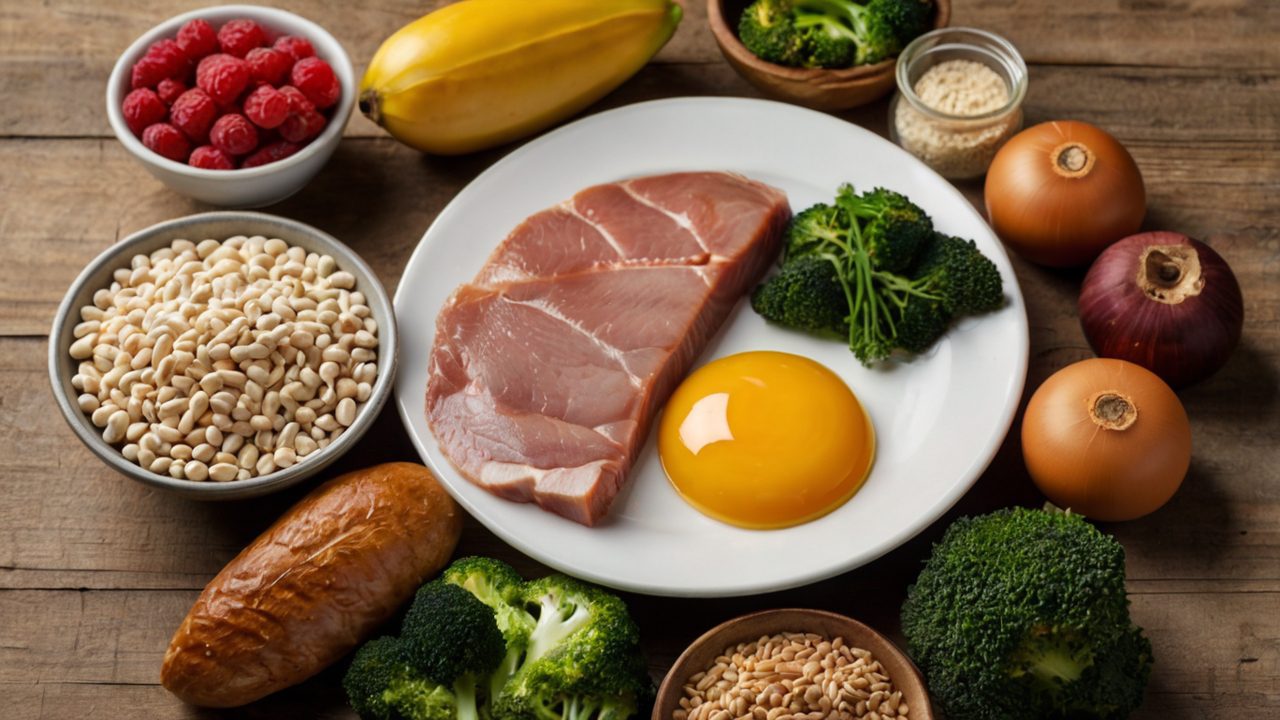
Knowing which foods are high in protein can make it easier to meet daily nutritional needs. Here are the most protein-rich options:
Animal-Based Protein Sources
-
Chicken breast – Lean and packed with protein, perfect for muscle growth.
-
Eggs – Contain all essential amino acids and are easy to digest.
-
Fish (salmon, tuna, cod) – Rich in protein and omega-3 fatty acids.
-
Beef and pork – High-quality proteins with iron and B vitamins.
-
Greek yogurt and cottage cheese – Provide protein plus calcium for bone health.
-
Milk – An excellent source of both protein and essential minerals.
Plant-Based Protein Sources
-
Lentils and beans – Excellent for vegans and vegetarians, high in fiber too.
-
Chickpeas – Rich in protein and versatile for many dishes.
-
Quinoa – One of the rare plant foods that provide complete protein.
-
Tofu and tempeh – Great soy-based protein sources.
-
Nuts and seeds (almonds, chia, flax, pumpkin seeds) – Provide protein and healthy fats.
-
Peas and pea protein powder – Popular in plant-based supplements.
Daily Protein Requirements
The recommended dietary allowance (RDA) for protein is about 0.8 grams per kilogram of body weight per day for adults. However, individual needs vary depending on age, activity level, and health goals. Athletes and people looking to build muscle may need between 1.2 and 2.0 grams per kilogram of body weight daily.
Benefits of Eating Enough Protein
-
Improved muscle mass and strength
-
Faster recovery after exercise or injury
-
Better metabolism and fat burning
-
Reduced cravings and better appetite control
-
Stronger hair, nails, and skin
-
Enhanced immunity and hormone regulation
Signs of Protein Deficiency
Not consuming enough protein can lead to noticeable symptoms, such as:
-
Fatigue and low energy
-
Hair loss and brittle nails
-
Weak muscles and poor recovery after workouts
-
Frequent infections due to weak immunity
-
Swelling (edema) caused by low blood protein levels
Conclusion
Proteins are indispensable nutrients that affect every aspect of human health. They are crucial for building muscles, repairing tissues, producing hormones, and strengthening the immune system. By including both animal-based and plant-based protein foods in your diet, you can ensure that your body receives all essential amino acids for optimal performance. Whether your goal is muscle growth, weight management, or overall health, eating enough protein every day is one of the best choices you can make






