Watches Made from Moon Dust and Meteorites: What It’s Like to Wear a Piece of the Universe on Your Wrist for Half a Million
 Befrey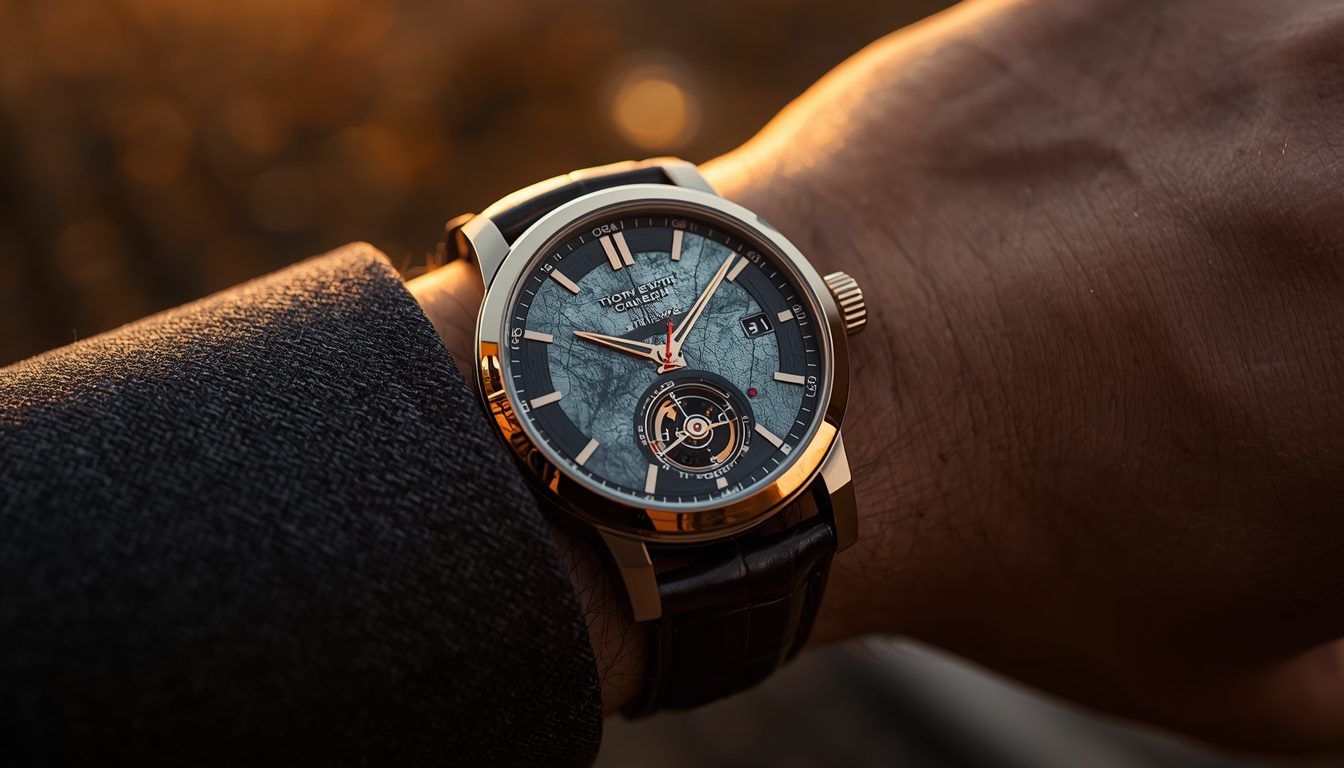
The Authentic Meteorite Dial Watch Craftsmanship Secret Behind Cosmic Horology
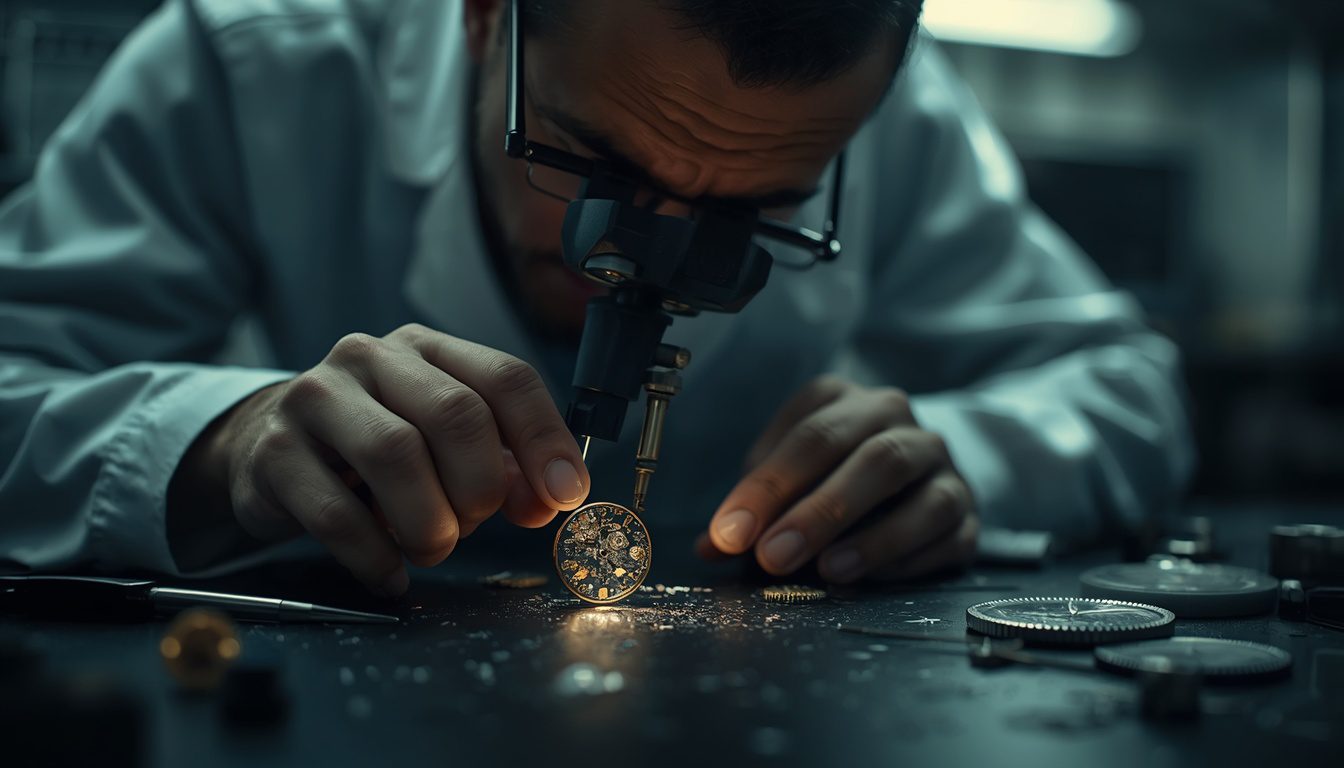
The process of turning iron meteorites into functional watch faces is one of the most perilous tasks in modern watchmaking. Master artisans must work with iron-nickel alloys that have cooled over millions of years in the vacuum of space, creating crystalline structures that exist nowhere else in nature. Slicing these extraterrestrial rocks into razor-thin discs—often under 0.4 millimeters thick—requires diamond-tipped tools, extreme precision, and immense patience. One wrong movement or microscopic thermal spike during the cutting process can shatter a rock that survived a fiery atmospheric entry. Once sliced, the disc must be meticulously treated with chemical baths, usually dilute nitric acid, to reveal its inherent metallic weave. Watchmakers must then stabilize the metal against terrestrial oxidation, applying invisible anti-corrosion coatings before securing it to a dial plate. The authentic meteorite dial watch craftsmanship secret lies in balancing this raw geological instability with the hyper-precise tolerances required inside a mechanical movement casing.
Understanding Real Lunar Dust Luxury Timepieces Price Value and Authenticity
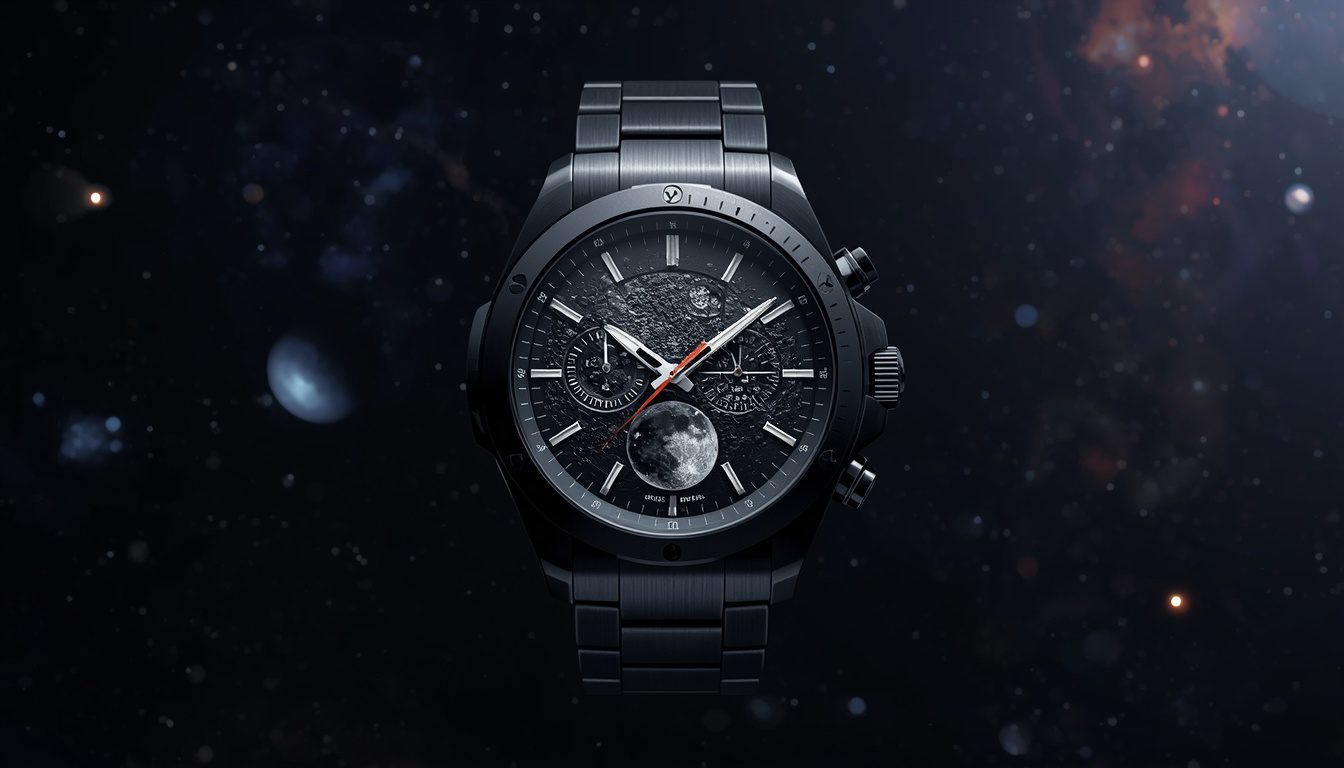
Lunar materials are among the rarest substances on Earth, making moon dust timepieces extraordinarily expensive and deeply coveted by serious collectors. Unlike iron meteorites, lunar meteorites originate from Moon rocks ejected into space by massive asteroid impacts, eventually captured by Earth’s gravitational field. Because lunar regolith is composed of fine, abrasive dust and fragile basaltic fragments, binding it into a timepiece dial requires proprietary resin matrices and vacuum-sealing technologies. The astronomical cost of these pieces stems directly from supply constraints, as only a minuscule fraction of recovered meteorites are verified lunar rock samples certified by scientific institutions. Every grain of real lunar dust luxury timepieces price value calculation accounts for global laboratory testing, international meteorite registry documentation, and the near-zero availability of raw material. When a watchmaker incorporates genuine lunar dust into a watch dial or tourbillon cage, the resulting piece becomes an instant museum-grade artifact commanding six-figure sums at elite auction houses.
Widmanstatten Pattern Meteorite Watch Dials Explained for High-End Collectors
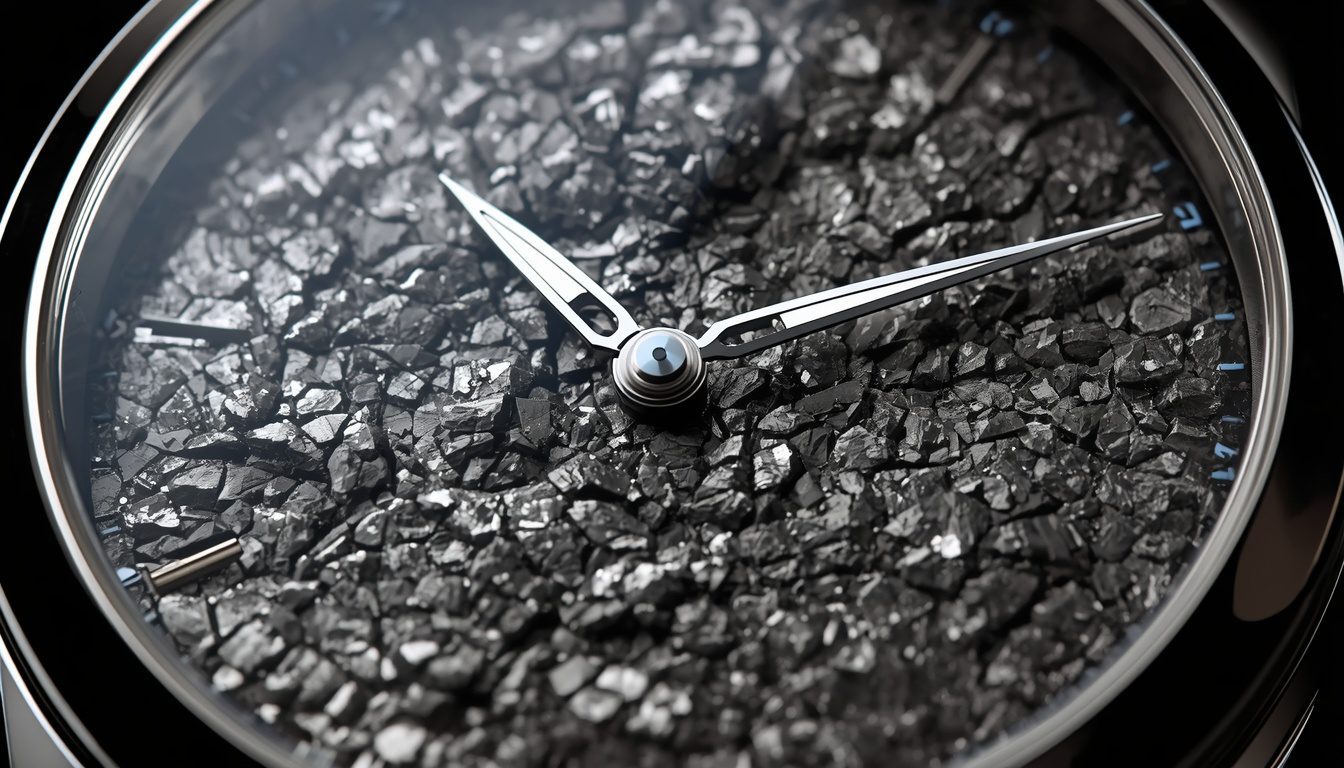
The signature visual hallmark of iron meteorite dials is the striking geometric, crisscross ribbon motif known to geologists and watchmakers as the Widmanstätten pattern. This unique interlaced structure forms only when an iron-nickel asteroid slowly cools in space at a rate of roughly one degree Celsius every million years. Because human laboratories cannot recreate a cooling process that spans millions of solar cycles, this pattern serves as unforgeable proof of extraterrestrial origin. When the sliced meteorite dial is etched with acid, the nickel-rich taenite bands resist corrosion while the kamacite bands etch deeply, creating a brilliant three-dimensional metallic luster. Having Widmanstatten pattern meteorite watch dials explained helps collectors appreciate that no two watch faces will ever look identical. Each slice reveals a unique geometric fingerprint reflecting the exact cooling conditions and cosmic trajectory of that specific meteorite sample.
How Rare Extraterrestrial Material Watches High Horology Reframe Horological Luxury
Integrating cosmic elements into mechanical movements forces watchmakers to rethink traditional case designs, movement architecture, and shock protection. High horology manufactures do not simply slap a piece of space rock onto a standard movement; they build bespoke grand complications around these extraterrestrial fragments. Tourbillon cages are engineered from ultra-light titanium to accommodate fragments of lunar rock, while moonphase indicators utilize actual lunar dust to represent the lunar surface. The integration of rare extraterrestrial material watches high horology demands that movement components operate around materials that expand and contract differently than traditional brass or steel under temperature changes. High-end houses spend years in research and development to insulate the mechanical movement from any dust or magnetic interference caused by iron-heavy meteorites. The result is a seamless fusion of ancient cosmic history with cutting-edge micro-mechanics.
Evaluating Half Million Dollar Celestial Wristwatch Collector Value and Investment Returns
Investing half a million dollars in a celestial wristwatch requires an understanding of both haute horlogerie market dynamics and scientific rarity. Traditional luxury watches derive value from brand prestige, production numbers, and mechanical complexity, but meteorite and moon dust watches add a finite geological asset class to the equation. Because global meteorite recovery is unpredictable and space agencies heavily restrict the commercial distribution of extraterrestrial samples, supply remains strictly capped forever. Evaluating half million dollar celestial wristwatch collector value reveals that pieces featuring verified lunar or Martian material maintain exceptional liquidity and price appreciation at major auctions. Collectors view these timepieces as alternative stores of value that remain completely immune to fashion trends or industrial mass production. Furthermore, as private space exploration grows, consumer fascination with wearable space artifacts continues to push secondary market premiums to unprecedented heights.
What Wearing a Space Fragment Timepiece Sensation Feels Like on the Wrist
Putting on a watch that houses a physical fragment of the cosmos triggers an emotional and sensory experience that no standard luxury timepiece can mirror. As light catches the metallic grain of the dial, the Widmanstätten pattern shifts from bright silver to deep charcoal grey, constantly changing under direct sunlight. There is a profound psychological weight to looking down at your wrist to check the time and seeing a fragment that is 4.5 billion years old—older than Planet Earth itself. The contrast between the hyper-modern ticking second hand and the ancient cosmic stone creates a philosophical reflection on human time versus deep interstellar time. Wearing a space fragment timepiece sensation connects the wearer directly to the origin of the solar system, making a half-million-dollar price tag feel almost insignificant compared to the immense history resting against the skin.
Preserving Extraterrestrial Materials: Rust Prevention and Long-Term Care
Because iron meteorites contain substantial amounts of iron, exposure to terrestrial moisture and humidity poses a constant risk of oxidation and rust formation. Independent watchmakers employ specialized surface treatments, including galvanic coatings, atomic layer deposition, and clear sapphire crystal sandwiching, to isolate the cosmic dial from atmospheric air. Owners of meteorite timepieces must exercise specific precautions, ensuring the watch case maintains perfect water resistance through regular gasket changes. Humidity inside the watch case could permanently tarnish the crystalline Widmanstätten pattern, dulling its natural luster. Proper storage in temperature-controlled, low-humidity environments ensures these astronomical artifacts remain preserved for generations without structural degradation.
The Architectural Engineering of Space-Age Watch Cases
Framing a piece of the universe requires case materials that match the high-tech, otherworldly nature of the dial itself. Elite manufacturers often house space-dust and meteorite dials in advanced materials such as forged carbon, grade 5 titanium, ceramic matrix composites, or proprietary gold alloys. These housing materials provide lightweight durability, exceptional scratch resistance, and an aggressive futuristic visual frame that complements the organic geometry of cosmic stone. The sapphire crystal covers are routinely treated with dual-sided anti-reflective coatings, eliminating glare so the wearer can observe every microscopic detail of the cosmic matrix. The synergy between space-age case architecture and ancient extraterrestrial material represents the absolute pinnacle of contemporary watch design.
The Future of Interstellar Horology and Celestial Complications
As commercial spaceflight and lunar exploration advance, the horizon for space-inspired horology expands far beyond static dial inserts. Watchmakers are currently experimenting with astronomical complications that track lunar cycles using real lunar dust suspensions, or calculate Martian solar time alongside Earth time. Future releases will likely incorporate samples collected from asteroid-sampling missions and deep-space probes, offering collectors direct ties to active space exploration efforts. The fusion of aerospace technology, astronomical data display, and verified extraterrestrial material ensures that cosmic horology will remain the ultimate frontier of luxury watch collecting for decades to come.
Summary
Space-infused timepieces crafted from iron meteorites and authentic lunar regolith represent the pinnacle of luxury, scarcity, and scientific history in high horology. From the 4.5-billion-year-old Widmanstätten crystalline structures of iron meteorites to the near-zero availability of certified moon dust, these half-million-dollar timepieces combine ancient cosmic history with cutting-edge micro-mechanics. Preserved through advanced anti-oxidation engineering and housed in space-age materials like titanium and forged carbon, wearing a piece of the universe offers an unmatchable emotional connection to deep space time.
Frequently Asked Questions (FAQ)
1. Are watches made with meteorite dials water resistant?
Yes, the watches themselves feature standard water-resistant cases with high-grade gaskets and screw-down crowns. However, the meteorite dial inside must be strictly protected from moisture, as iron-nickel meteorites can rust if exposed to humidity.
2. How do watchmakers verify that the meteorite or moon dust is authentic?
Reputable luxury watch manufactures source their materials from certified meteoriticists and members of the International Meteorite Collectors Association (IMCA). Every watch comes with scientific certification confirming the meteorite fall location and official classification.
3. Will two meteorite watch dials ever look the same?
No. Because the Widmanstätten pattern forms naturally in space over millions of years, every slice taken from an iron meteorite exhibits a completely unique geometric layout. Each watch dial is an absolute one-of-a-kind original.
4. Why are moon dust watches significantly more expensive than iron meteorite watches?
Lunar meteorites are exponentially rarer than standard iron-nickel meteorites. Recovering verified lunar regolith on Earth is exceptionally difficult, making lunar materials extremely limited in quantity and drastically higher in market value.
5. Can meteorite dials degrade over time?
If properly sealed inside a high-end watch case with anti-oxidative coatings, a meteorite dial will remain pristine indefinitely. Regular servicing ensures that case seals prevent ambient moisture from entering.
Call-To-Action (CTA)
Elevate your horological collection to interstellar heights. Contact our high-horology concierge today to request private viewings of certified meteorite and celestial dust timepieces from the world’s most prestigious independent watchmakers.