Warning: The Walking Dead Telltale Games Review That Still Breaks Players Emotionally
 Befrey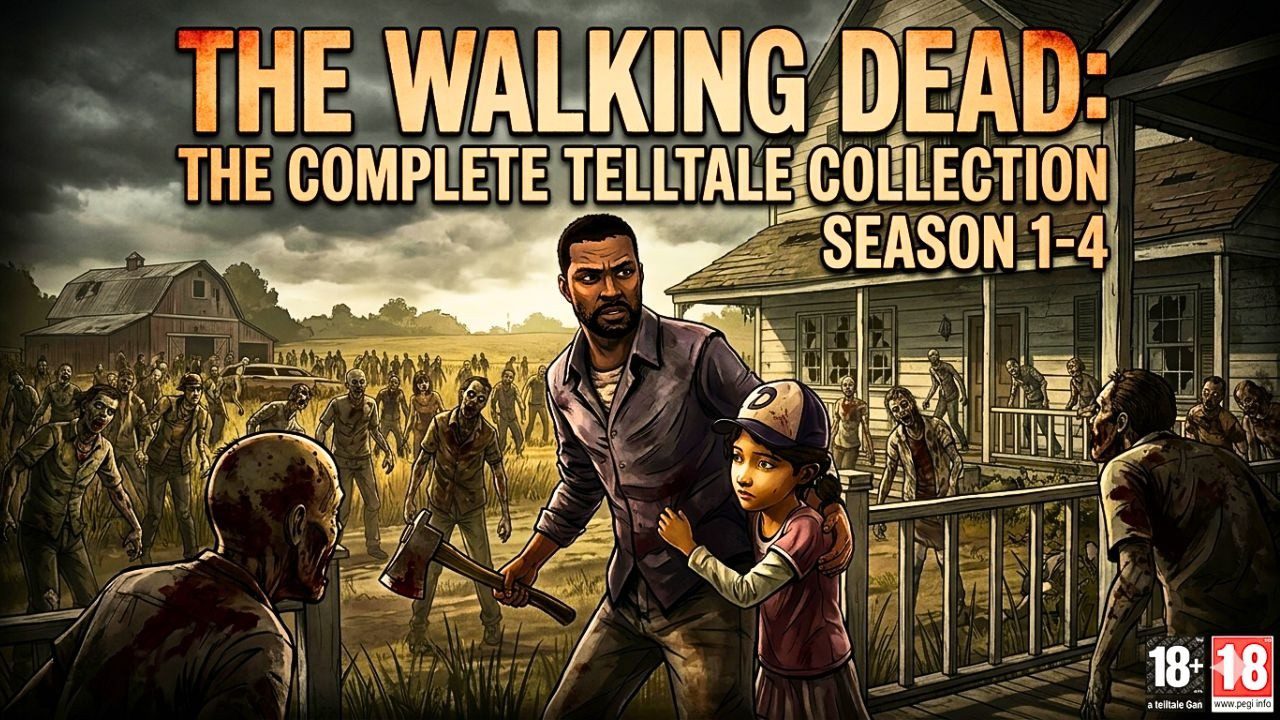
Few narrative games changed the gaming industry as dramatically as The Walking Dead. Even years after release, The Walking Dead Telltale Games remains one of the most emotional, unforgettable, and psychologically intense interactive experiences ever created. The series did not rely on revolutionary graphics or massive open worlds. Instead, it mastered storytelling, character attachment, impossible moral choices, and emotional devastation. For many players, the Telltale Walking Dead series became proof that video games could deliver emotional impact equal to legendary films and television dramas.
The Walking Dead Telltale Games also transformed how developers approached episodic storytelling. Before its arrival, many narrative-driven games struggled to balance gameplay and emotional immersion. Telltale’s formula changed everything. Choices felt meaningful. Dialogue mattered. Relationships evolved naturally. Players were forced to live with painful consequences that lingered long after the credits rolled. This review explores why the franchise remains iconic, whether it still holds up today, and why millions of gamers continue recommending it to newcomers.
The Walking Dead Telltale Story Choices Created a New Era of Emotional Gaming
One reason the franchise became legendary was its revolutionary approach to storytelling. At the time of release, most zombie games focused heavily on combat, survival mechanics, and action sequences. Telltale Games chose a completely different direction. Instead of endless shooting, players experienced intimate human drama inside a collapsing world.
The story begins with Lee Everett, a deeply flawed man transported in a police car when the apocalypse suddenly erupts. Within minutes, players realize this is not simply another zombie adventure. The emotional core emerges through Lee’s relationship with Clementine, a frightened little girl trapped in unimaginable circumstances. Their evolving father-daughter dynamic became the soul of the series.
Every dialogue decision shapes how characters perceive Lee. Some moments feel small initially but later create massive emotional consequences. A simple lie, an act of mercy, or a refusal to help someone may permanently alter relationships. The game constantly pressures players emotionally because there is rarely a perfect choice. Most decisions involve sacrifice.
Unlike traditional morality systems where games clearly identify “good” or “evil” outcomes, The Walking Dead Telltale Games embraces moral ambiguity. Saving one person might doom another. Protecting your group might require cruelty. Players quickly learn survival often conflicts with humanity.
The episodic structure intensified emotional investment. Waiting months between episodes allowed communities to debate theories, analyze choices, and emotionally process devastating moments. This release strategy built extraordinary anticipation around every chapter.
Even today, many narrative games borrow heavily from systems introduced here. The emphasis on relationship-driven storytelling directly influenced future titles across the gaming industry. The emotional weight of player choice became a defining feature of modern interactive storytelling because of this franchise.
Why The Walking Dead Season 1 Review Still Dominates Narrative Game Discussions
Among all entries, Season One remains universally celebrated. Many critics still consider it one of the greatest narrative games ever created. The reason is simple. It achieves emotional authenticity that few games can match.
Lee Everett is one of gaming’s most human protagonists. He is not a superhero. He is vulnerable, regretful, intelligent, and emotionally layered. Players connect with him because he feels real. His mistakes and attempts at redemption drive the emotional power of the story.
Clementine’s evolution is equally remarkable. At first, she is innocent and dependent. Over time, she learns survival skills, emotional resilience, and painful truths about humanity. Players naturally develop protective instincts toward her. This emotional attachment becomes the driving force behind nearly every decision.
Season One succeeds because its writing feels grounded. Characters argue realistically. Fear influences behavior naturally. Nobody feels invincible. The apocalypse is terrifying because the game emphasizes emotional collapse rather than spectacle.
The pacing also deserves praise. Quiet conversations around campfires feel just as important as moments of extreme violence. Telltale understood tension requires emotional breathing room. These calmer scenes deepen attachment to characters before tragedy inevitably strikes.
Voice acting elevates the experience enormously. Dave Fennoy’s performance as Lee remains iconic. Melissa Hutchison’s portrayal of Clementine captures vulnerability and strength with astonishing realism. Their chemistry transforms digital characters into believable human beings.
The final episode remains one of the most emotionally devastating conclusions in gaming history. Players frequently describe crying during the ending, even after replaying the series years later. Very few games achieve that level of emotional permanence.
Because of this emotional resonance, Season One became far more than a zombie game. It became a landmark moment proving games could deliver profound storytelling experiences comparable to cinema and literature.
The Best Characters in The Walking Dead Telltale Games Feel Painfully Human
Characters define the success of this franchise. Without believable personalities, the emotional decisions would fail completely. Fortunately, the series delivers some of gaming’s most memorable characters.
Lee Everett remains the emotional backbone of the entire saga. His growth from disgraced academic to protective survivor creates one of gaming’s strongest redemption arcs. Players often project themselves onto Lee because his humanity feels authentic.
Clementine evolves into one of gaming’s greatest protagonists. Watching her mature across multiple seasons creates a unique emotional bond rarely achieved in interactive media. Players witness her innocence disappear gradually as survival hardens her worldview.
Kenny divides the community like few fictional characters ever have. Some players view him as fiercely loyal and protective. Others see him as dangerously unstable. This division demonstrates the writing’s complexity. Kenny feels like a real person shaped by trauma rather than a simplistic archetype.
Javier García brought fresh energy during later seasons. His relationship with family members explored themes of responsibility, loyalty, and personal sacrifice in ways distinct from Lee’s story. Though some fans initially resisted new protagonists, Javier eventually earned widespread appreciation.
Villains also stand out because they are psychologically nuanced. The Governor-inspired antagonists, Carver, and Lily each represent different survival philosophies. They rarely see themselves as evil. Instead, they believe brutality is necessary for survival.
Supporting characters add emotional texture throughout the franchise. Some become beloved allies. Others betray trust in shocking ways. Because players influence relationships through dialogue, every interaction feels personal.
Importantly, characters remember choices. Someone you insulted hours earlier may refuse help later. Someone you protected might risk everything for you. This memory system deepened immersion dramatically during release years.
Even minor characters often leave lasting emotional impressions because the writing emphasizes humanity rather than stereotypes. Their fears, hopes, and desperation feel believable within the apocalypse setting.
The Walking Dead Telltale Gameplay Mechanics Were Simple but Brilliant
Critics sometimes argue the gameplay is too simplistic. Technically, that criticism is partially fair. Compared to action-heavy titles, gameplay mechanics are relatively minimal. Yet simplicity became one of the franchise’s greatest strengths.
The core gameplay focuses on dialogue selection, exploration, quick-time events, and relationship management. Instead of overwhelming players with complex systems, the design keeps attention centered on emotional decisions and narrative immersion.
Dialogue timers deserve special recognition. Players often have only seconds to respond during tense conversations. This creates authentic emotional pressure. Hesitation itself becomes a choice. Silence can dramatically affect relationships.
Quick-time events intensify action sequences without distracting from storytelling. They maintain cinematic pacing while preserving player involvement. Although some modern gamers dislike QTE-heavy gameplay, Telltale used them effectively during emotionally charged moments.
Exploration segments encourage environmental storytelling. Small details hidden in abandoned homes or campsites reveal emotional histories about survivors and victims. These quiet discoveries enrich world-building significantly.
Choice summaries at episode endings became iconic. Seeing statistics comparing your decisions with other players created fascinating psychological reflection. Many players questioned their morality after realizing how differently others responded to situations.
Accessibility also contributed to the franchise’s success. Players who rarely enjoyed traditional games could easily engage with the experience because mechanics remained approachable. This expanded narrative gaming audiences dramatically.
The gameplay loop may seem limited compared to massive RPGs, but that limitation allowed emotional storytelling to remain the primary focus. The simplicity removed distractions and strengthened immersion in character relationships.
Ultimately, The Walking Dead Telltale Games succeeded because every gameplay system served narrative emotion rather than mechanical complexity.
How The Walking Dead Final Season Delivered an Emotional Masterpiece
After turbulence inside Telltale Games, many feared the franchise would never receive a proper ending. Thankfully, Skybound Entertainment helped complete The Final Season, delivering a surprisingly powerful conclusion.
This season shifts Clementine fully into the protector role once occupied by Lee. She now cares for AJ, a child born into apocalypse brutality. This role reversal creates extraordinary emotional symmetry throughout the narrative.
AJ became one of the series’ most controversial additions. Players constantly question whether Clementine is raising him correctly. His violent tendencies force players into morally uncomfortable territory. The game repeatedly asks whether innocence can survive in a world defined by trauma.
The Final Season also improved gameplay mechanics subtly. Combat sequences became more dynamic. Exploration areas expanded slightly. The over-the-shoulder camera perspective added cinematic intensity without abandoning Telltale’s narrative focus.
Emotionally, the season excels because it confronts legacy. Clementine carries emotional scars from every previous season. Her experiences shaped her worldview profoundly. Longtime players feel the weight of years spent surviving alongside her.
The boarding school setting creates unique social dynamics. Young survivors struggle to preserve fragments of normal adolescence despite overwhelming brutality surrounding them. This contrast between youth and horror becomes emotionally compelling.
Visually, The Final Season introduced the “Graphic Black” art style inspired by comic-book aesthetics. This gave the series a darker, more textured atmosphere while preserving its distinctive identity.
Most importantly, the ending respects the emotional journey fans experienced across multiple seasons. Rather than relying purely on shock value, it delivers emotional closure rooted in character growth, memory, and survival.
For many players, The Final Season redeemed concerns about franchise fatigue and proved the series still possessed extraordinary storytelling power.

The Walking Dead Telltale Clementine Journey Is One of Gaming’s Greatest Character Arcs
Few video game characters evolve as naturally and convincingly as Clementine. Across four seasons, players witness her transformation from vulnerable child into hardened yet compassionate survivor.
In Season One, Clementine represents innocence. She asks difficult moral questions that challenge Lee’s decisions constantly. Her emotional reactions remind players that humanity matters even during catastrophe.
As seasons progress, trauma shapes her personality gradually. She loses friends, mentors, and security repeatedly. Yet she never becomes completely emotionally detached. This balance between resilience and vulnerability makes her fascinating.
Season Two places enormous responsibility on Clementine despite her youth. Many adults depend on her survival instincts. Players begin recognizing how apocalypse environments force children into impossible maturity.
By A New Frontier, Clementine feels emotionally scarred but experienced. She distrusts strangers more easily. Her decision-making becomes harsher when survival demands it. Yet glimpses of compassion still emerge regularly.
The Final Season completes her arc beautifully. Clementine becomes a guardian figure mirroring Lee’s role from Season One. This cyclical storytelling structure creates profound emotional resonance for longtime fans.
What makes her arc exceptional is consistency. Her personality changes logically based on experiences. The writing respects psychological realism rather than forcing dramatic shifts for shock value.
Players also feel personally connected to her growth because they influenced many decisions throughout the journey. Clementine reflects player morality in subtle ways. Different choices shape her worldview and interpersonal relationships.
Gaming rarely achieves this level of long-term character development. Most protagonists remain static between sequels. Clementine evolves organically over years, making her feel more human than countless characters with photorealistic graphics.
Her journey alone justifies experiencing the entire franchise.
Why Telltale Zombie Games Focused More on Humanity Than Horror
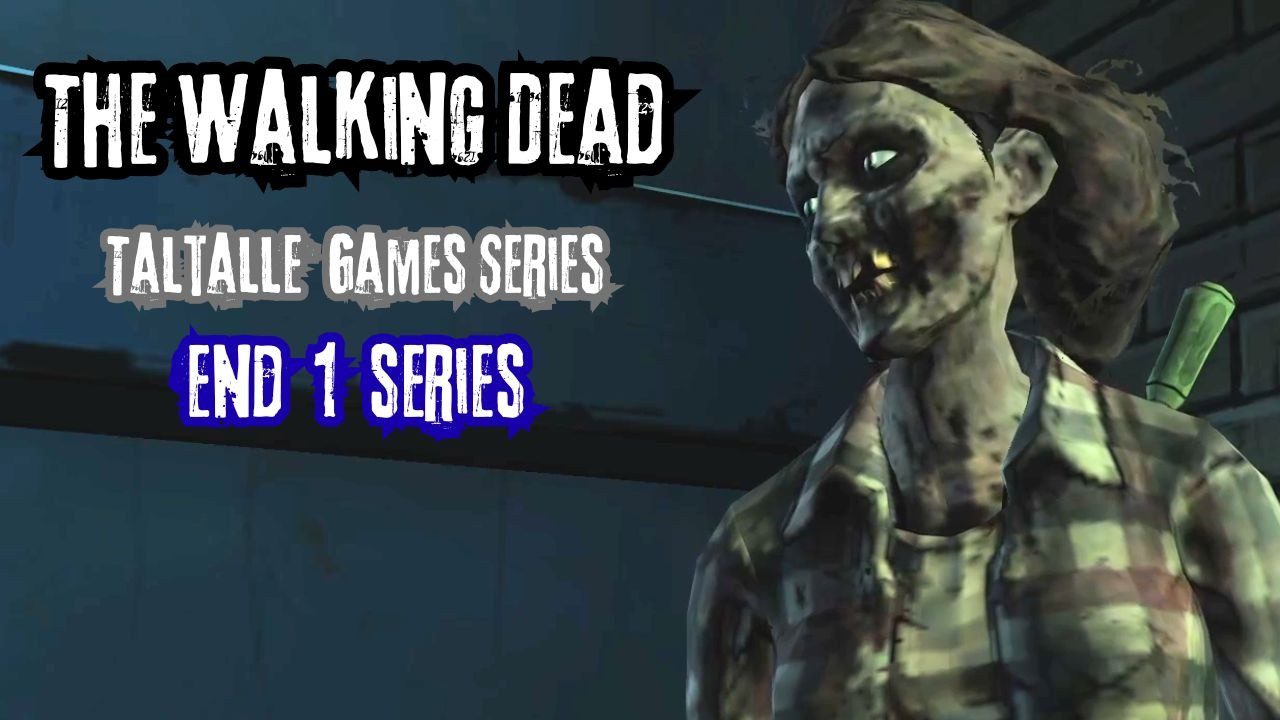
Despite featuring zombies prominently, the franchise is fundamentally about human behavior under pressure. Walkers function more as environmental tension than primary antagonists.
This design philosophy separates The Walking Dead Telltale Games from traditional zombie shooters. The real danger usually comes from fear, desperation, selfishness, and moral collapse among survivors.
Communities fracture under stress. Leaders abuse power. Families betray one another. People justify horrific actions believing survival requires brutality. The games explore psychological deterioration far more deeply than monster combat.
This human-centered storytelling aligns closely with The Walking Dead source material created by Robert Kirkman. The apocalypse merely provides a framework for examining morality, trauma, and survival instincts.
Horror emerges through emotional uncertainty rather than constant jump scares. Players fear losing trusted companions more than encountering zombies. That emotional investment creates lasting tension throughout every season.
The franchise also explores themes of parenthood, redemption, grief, leadership, and identity. These universal human struggles resonate even with players uninterested in zombie fiction generally.
Another strength is emotional realism. Characters experience exhaustion, panic, anger, and despair convincingly. Trauma leaves psychological scars. Death changes group dynamics permanently.
By emphasizing humanity over spectacle, the series achieved timeless emotional relevance. Many zombie games age poorly once gameplay innovations become outdated. The Walking Dead Telltale Games remains powerful because its emotional themes are universally relatable.
The result is a narrative experience that transcends genre limitations entirely.
The Walking Dead Telltale Graphics and Art Style Still Hold Up Surprisingly Well
Technically, the series never aimed for photorealism. Instead, Telltale adopted a stylized comic-book aesthetic inspired directly by the original graphic novels. This artistic decision aged far better than many contemporary games chasing realism.
Bold outlines, dramatic shadows, and textured environments create a visually distinctive atmosphere. Even older seasons maintain artistic identity because stylization resists technological aging better than realism.
Lighting deserves particular praise. Many scenes use darkness and color contrast masterfully to establish emotional tone. Warm campfire lighting during emotional conversations contrasts sharply against cold, hostile environments.
Facial animation quality varied across seasons due to technical limitations, yet strong voice acting compensated effectively. Emotional delivery often carried scenes beyond graphical imperfections.
Later seasons improved environmental detail significantly. Weather effects, vegetation, and interior spaces became richer visually while preserving the franchise’s artistic consistency.
The Graphic Black style introduced in The Final Season enhanced immersion further. Heavier shadows and sharper textures created greater visual depth without sacrificing comic-book identity.
Importantly, the visual design supports storytelling effectively. Blood, decay, and environmental destruction establish atmosphere without overwhelming emotional scenes. Visuals serve narrative tone rather than existing solely for spectacle.
Many narrative games released during the same period now appear technologically outdated. The Walking Dead’s stylized direction allowed it to retain visual charm years later.
For newcomers playing today, the graphics remain immersive because artistic cohesion matters more than polygon counts or hyper-realistic textures.
The Legacy of The Walking Dead Telltale Games Changed Narrative Gaming Forever
The influence of this franchise extends far beyond its own fanbase. It fundamentally reshaped industry attitudes toward narrative-driven gaming experiences.
Before its success, publishers often doubted whether emotionally focused interactive stories could achieve mainstream popularity. The Walking Dead shattered those assumptions completely.
Countless narrative games adopted similar choice-based structures afterward. Developers recognized players craved emotional agency and character-driven storytelling as much as traditional gameplay systems.
The franchise also proved episodic releases could generate sustained community engagement. Online discussions exploded after each episode release. Players debated moral decisions passionately for months.
Streaming culture amplified the phenomenon dramatically. Watching streamers react emotionally to devastating moments introduced millions of viewers to narrative gaming’s potential.
The success influenced projects across genres. Even major AAA games increasingly emphasized relationship systems, dialogue consequences, and cinematic storytelling following Telltale’s breakthrough success.
Importantly, the series attracted audiences beyond traditional gamers. Many people uninterested in competitive shooters or complex RPG mechanics connected deeply with emotionally accessible storytelling.
Critically, The Walking Dead elevated perceptions of video games as artistic storytelling mediums. Emotional reactions to Lee and Clementine’s journey demonstrated games could create profound empathy uniquely through interactivity.
Although Telltale Games eventually faced financial collapse, the company’s creative legacy remains enormous. Modern narrative adventures owe significant debt to innovations pioneered here.
Even today, discussions about the greatest story-driven games inevitably include The Walking Dead Telltale Games because its emotional impact remains unmatched for many players.
Is The Walking Dead Telltale Games Still Worth Playing Today?
Absolutely. Despite changing gaming trends and evolving technology, the franchise remains emotionally powerful and narratively compelling.
New players may initially notice older gameplay structures or occasional technical limitations. However, strong writing quickly overshadows these issues. Emotional immersion remains extraordinarily effective.
The complete series also benefits from binge-style playthroughs unavailable during original episodic releases. Experiencing Clementine’s entire journey consecutively creates remarkable emotional continuity.
Modern narrative-focused gamers will appreciate how many contemporary storytelling conventions originated here. Playing the franchise today feels like exploring a foundational pillar of interactive storytelling history.
Veteran players frequently replay the series despite already knowing major plot twists. That replayability stems from emotional attachment rather than gameplay novelty. Different dialogue choices also encourage experimentation.
Importantly, the themes remain timeless. Survival, morality, grief, trust, and personal growth never become outdated. Emotional authenticity ensures the narrative still resonates deeply with modern audiences.
The Definitive Series collection further improves accessibility by packaging all seasons together with visual enhancements and additional content.
For anyone interested in narrative gaming, emotional storytelling, or unforgettable characters, this franchise remains essential.
The Walking Dead Telltale Games is not merely a great zombie game. It is one of gaming’s greatest emotional storytelling achievements.
Summary
The Walking Dead transformed narrative gaming forever through emotionally devastating storytelling, morally complex decision-making, and unforgettable characters like Lee Everett and Clementine. Rather than focusing primarily on zombie combat, the franchise explored humanity, trauma, survival, and emotional relationships during societal collapse. Season One remains one of gaming’s most celebrated stories, while later seasons expanded Clementine’s extraordinary character arc. Although gameplay mechanics are relatively simple, they effectively support emotional immersion. Even years after release, the series continues influencing narrative game design and remains absolutely worth experiencing for both new and veteran players.
FAQ
Is The Walking Dead Telltale Games connected to the TV show?
The games exist in the same universe as The Walking Dead and the comic series, but they mainly follow original characters like Lee and Clementine rather than the television cast.
Which season of The Walking Dead Telltale Games is the best?
Most players and critics consider Season One the strongest due to its emotional storytelling, unforgettable ending, and exceptional character development.
Do choices actually matter in The Walking Dead Telltale Games?
Yes and no. Major story beats often remain similar, but relationships, dialogue reactions, emotional tone, and certain character outcomes can change significantly based on player decisions.
How long does it take to finish the entire series?
Completing all four main seasons plus additional content usually takes around 40–50 hours depending on exploration and pacing.
Is The Walking Dead Telltale Games scary?
The games contain horror elements and emotional tension, but they focus more heavily on psychological drama, relationships, and moral choices than pure horror scares.
CTA
If you have never experienced The Walking Dead, now is the perfect time to discover why millions of players still consider it one of the greatest emotional journeys in gaming history. Whether you love narrative adventures, deep character writing, or unforgettable moral decisions, this franchise delivers an experience that stays with you long after the credits end.