
 Befrey
Quiet luxury brands – why are they popular? This question has become one of the most searched topics in fashion and lifestyle. Quiet luxury brands, also known as understated luxury or minimalist luxury labels, are gaining global attention. The appeal of quiet luxury brands lies in their subtle elegance, refined craftsmanship, and rejection of flashy logos. Quiet luxury brands – why are they popular? The answer connects deeply with changing consumer values, identity, and the desire for timeless sophistication over loud status symbols.
What is quiet luxury and how it differs from traditional luxury branding
Quiet luxury is not new, but its recent rise is significant. It represents a shift away from visible logos and bold branding. Instead, it focuses on quality, craftsmanship, and subtle design cues. Traditional luxury often relies on recognition. Logos, patterns, and signature elements are used to signal status instantly. Quiet luxury removes that signal and replaces it with discretion.
This difference changes how consumers interact with fashion. With traditional luxury, the goal is often to be seen. With quiet luxury, the goal is to feel confident without needing validation. This creates a deeper emotional connection between the wearer and the product. It becomes less about external approval and more about internal satisfaction.
Another key distinction lies in longevity. Quiet luxury pieces are designed to last. They are not tied to seasonal trends. This makes them more sustainable and cost-effective in the long run. Consumers are starting to recognize this value, which contributes to the growing popularity.
The design philosophy is also different. Quiet luxury emphasizes neutral colors, clean lines, and premium materials. Every detail is intentional. There is no excess. This minimalism creates a sense of calm and control, which resonates strongly in a fast-paced world.
The rise of understated luxury fashion trends in modern society
The rise of understated luxury fashion trends reflects broader cultural changes. People are becoming more conscious of their choices. They want products that align with their values. This includes sustainability, authenticity, and quality. Quiet luxury fits perfectly into this mindset.
Social media has played an unexpected role. While platforms often promote flashy lifestyles, there is a growing counter-trend. Influencers and celebrities are now showcasing minimalist wardrobes. They highlight quality over quantity. This shift has made understated fashion more aspirational.
Economic factors also contribute. In uncertain times, consumers become more cautious. They prefer to invest in items that hold value. Quiet luxury offers this stability. It is not driven by trends, so it does not lose relevance quickly. This makes it a safer investment.
Another important aspect is maturity. As consumers age, their preferences change. They move away from loud branding. They seek refinement. Quiet luxury represents a more sophisticated stage of personal style. It signals confidence and self-awareness.
Cultural shifts toward privacy also matter. In a world where everything is shared online, some individuals choose to step back. Quiet luxury allows them to express status without broadcasting it. This subtlety is increasingly appealing.
Why consumers prefer minimalist luxury brands over logo-heavy fashion
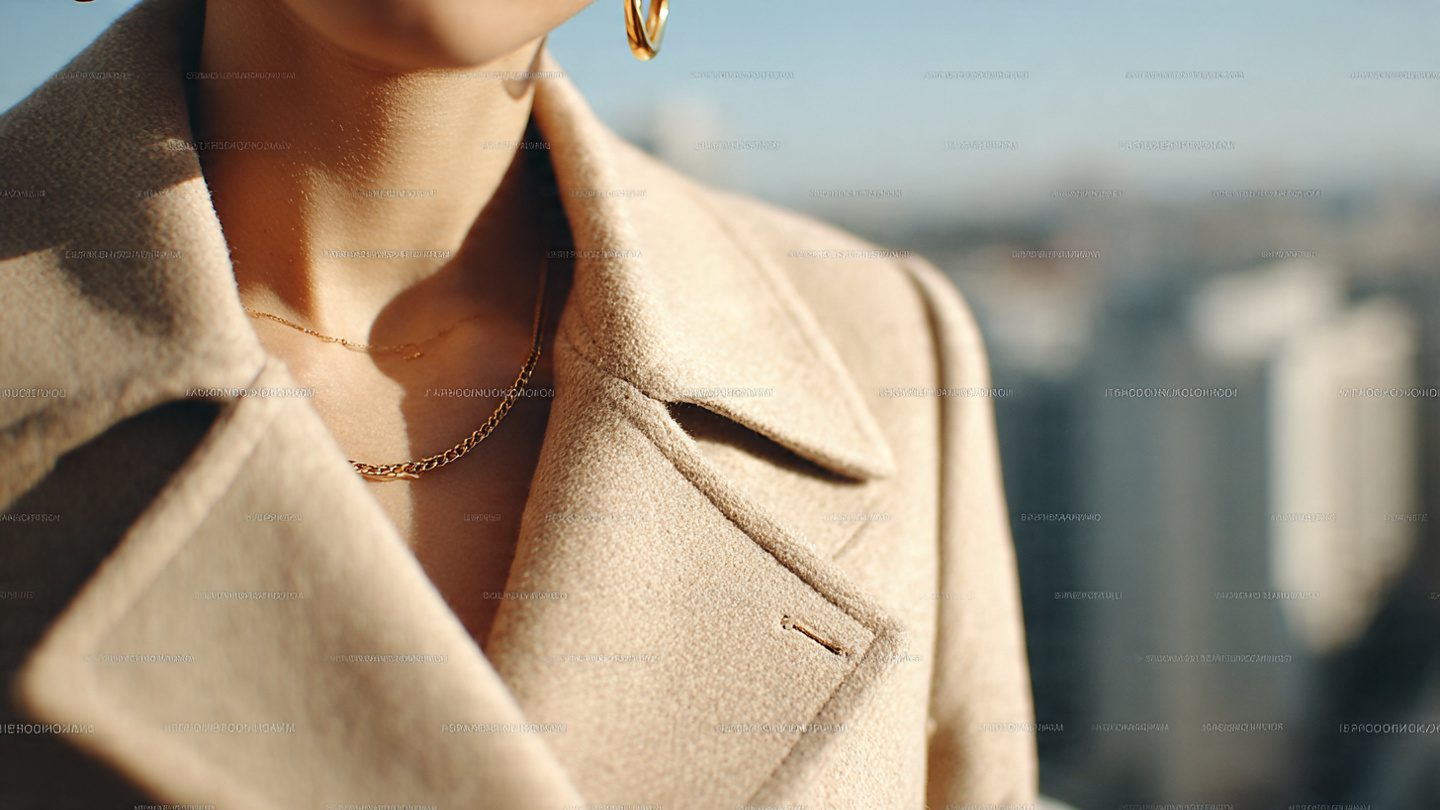
Minimalist luxury brands offer something that logo-heavy fashion cannot: subtlety. This subtlety is powerful. It allows individuals to express wealth and taste without being obvious. For many consumers, this feels more authentic.
There is also a psychological element. Wearing loud logos can create pressure. It invites judgment and comparison. Minimalist fashion removes this pressure. It creates a sense of ease. The wearer does not need to prove anything.
Another reason is versatility. Minimalist pieces are easier to style. They work in multiple settings. This increases their value. Consumers can wear the same item in different ways, making it more practical.
Quality is another major factor. Minimalist luxury brands focus heavily on materials and construction. This results in better durability and comfort. Consumers notice the difference. They feel it every time they wear the product.
There is also a growing awareness of branding manipulation. People understand that logos often drive up prices without adding real value. Minimalist brands challenge this idea. They shift the focus back to what truly matters: the product itself.
The psychology behind quiet luxury and status signaling
Quiet luxury is deeply connected to psychology. It changes how status is communicated. Instead of being loud and obvious, status becomes subtle and nuanced. This creates a different kind of social dynamic.
One key concept is “in-group signaling.” Quiet luxury is often recognized only by those who understand it. This creates a sense of exclusivity. It forms a hidden language among consumers. Those who recognize it feel part of a select group.
Another psychological factor is confidence. People who choose quiet luxury often do not need external validation. Their choices reflect self-assurance. This makes the style more appealing to others. Confidence is always attractive.
There is also a shift from external to internal motivation. Traditional luxury often focuses on how others perceive you. Quiet luxury focuses on how you feel. This internal satisfaction is more sustainable and fulfilling.
Scarcity plays a role as well. Quiet luxury items are often less mass-produced. This increases their desirability. Consumers value what is rare. It adds to the sense of exclusivity.
Finally, there is the concept of timelessness. Quiet luxury is not tied to trends. This creates a sense of permanence. It appeals to those who seek stability in an ever-changing world.
How timeless fashion investment pieces drive the quiet luxury movement
Timeless fashion investment pieces are at the core of quiet luxury. These items are designed to last for years, even decades. They are not influenced by seasonal trends. This makes them highly valuable.
Consumers are becoming more strategic with their purchases. They prefer to buy fewer items but of higher quality. This approach aligns perfectly with quiet luxury. It emphasizes longevity over quantity.
Investment pieces also offer better cost efficiency. While the initial price may be high, the long-term value is greater. Consumers do not need to replace these items frequently. This reduces overall spending.
Another advantage is emotional attachment. High-quality pieces often carry sentimental value. They become part of a person’s identity. This deepens the connection between the consumer and the brand.
Craftsmanship is a key element. Investment pieces are made with precision and care. This attention to detail is noticeable. It enhances the overall experience of owning the product.
Sustainability is also important. By choosing timeless pieces, consumers reduce waste. This aligns with growing environmental awareness. Quiet luxury supports a more responsible approach to fashion.
The role of sustainable luxury brands with ethical production in popularity
Sustainability is no longer optional. It is a major factor in consumer decisions. Quiet luxury brands often lead in this area. They prioritize ethical production and responsible sourcing.
Consumers are more informed than ever. They research brands before making purchases. They want transparency. Quiet luxury brands respond by providing detailed information about their processes.
Ethical production includes fair wages and safe working conditions. This is increasingly important to consumers. They want to support brands that align with their values. Quiet luxury often meets these expectations.
Material sourcing is another key factor. High-quality materials are often more sustainable. They last longer and have a lower environmental impact. This supports the principles of quiet luxury.
There is also a shift toward slow fashion. This movement encourages thoughtful consumption. It opposes fast fashion and its negative effects. Quiet luxury fits naturally into this philosophy.
Brand storytelling plays a role as well. Consumers connect with the story behind a product. They value authenticity. Quiet luxury brands often emphasize heritage and craftsmanship, which strengthens this connection.
How social media and celebrities influence the quiet luxury trend
Social media has transformed fashion trends. Quiet luxury is no exception. While it may seem contradictory, platforms have helped popularize this subtle style.
Celebrities play a major role. Many high-profile figures now embrace minimalist fashion. Their choices influence millions of followers. This creates a ripple effect.
Television and film also contribute. Characters in popular shows often wear understated luxury. This shapes public perception. It makes quiet luxury more desirable.
Influencers are shifting their content. Instead of showcasing excess, they focus on quality. They promote capsule wardrobes and timeless pieces. This aligns with quiet luxury principles.
Algorithms also play a role. Content that emphasizes authenticity and simplicity often performs well. This encourages creators to adopt a quieter aesthetic.
There is also a backlash against overconsumption. Social media users are becoming more critical. They question excessive spending and waste. Quiet luxury offers a more responsible alternative.
The economic factors behind the shift to subtle luxury consumption
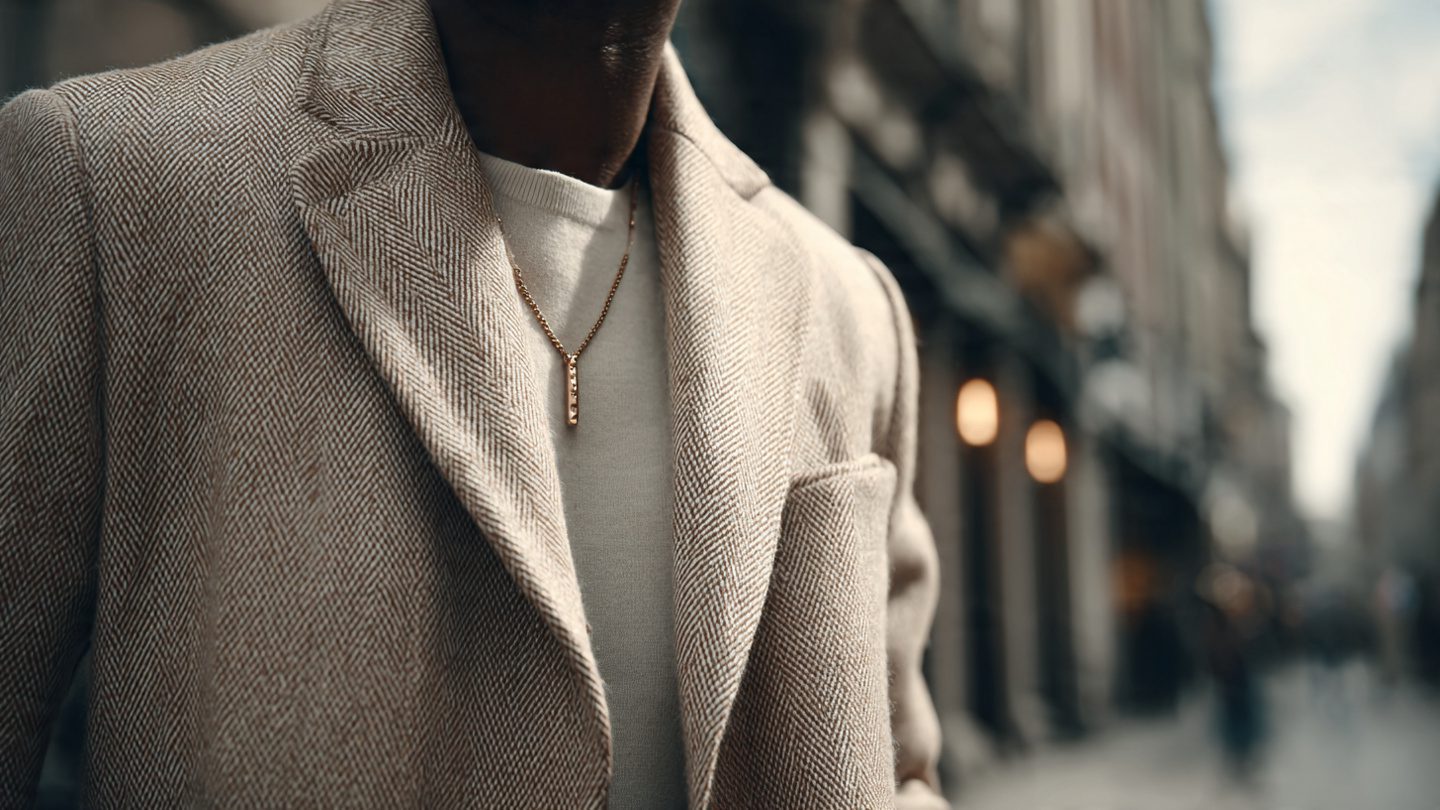
Economic conditions influence consumer behavior. Quiet luxury reflects a more cautious approach to spending. People want value for their money.
Inflation and economic uncertainty play a role. Consumers become more selective. They prioritize quality over quantity. Quiet luxury meets this need.
There is also a shift in wealth perception. Being wealthy is no longer about showing off. It is about making smart choices. Quiet luxury represents this mindset.
Luxury fatigue is another factor. Consumers are overwhelmed by constant marketing. They seek simplicity. Quiet luxury provides relief from this noise.
The resale market also supports this trend. High-quality items retain value. This makes them more attractive. Consumers see them as investments.
Finally, there is a focus on long-term thinking. Consumers plan their purchases more carefully. They consider durability and versatility. Quiet luxury aligns with this approach.
Future of quiet luxury brands and long-term market impact
The future of quiet luxury looks strong. It is not just a trend. It represents a fundamental shift in consumer behavior. This suggests long-term growth.
Brands are adapting. Even traditional luxury labels are reducing logos. They are embracing minimalism. This indicates a broader industry change.
Technology will also play a role. Innovations in materials and production will enhance quality. This will support the quiet luxury model.
Consumer education will continue to grow. People will become more knowledgeable about fashion. This will increase demand for quality products.
Global markets will expand. Quiet luxury is not limited to one region. It appeals to diverse audiences. This will drive international growth.
However, challenges exist. As the trend becomes popular, it risks losing exclusivity. Brands must maintain authenticity. This will be key to long-term success.
Why rich people live easier lives than you think
Minimalism vs. luxury: what is more trendy today ?
The biggest lifestyle trends that are changing the way we live
Summary
Quiet luxury is more than a fashion trend. It is a reflection of changing values. Consumers are moving toward quality, sustainability, and authenticity. They prefer subtlety over loud branding. This shift is driven by psychology, economics, and cultural changes. Quiet luxury offers timeless value and emotional satisfaction. It represents a new definition of status and success.
FAQ
1. What defines a quiet luxury brand?
A quiet luxury brand focuses on high-quality materials, craftsmanship, and minimalist design without visible logos.
2. Is quiet luxury more expensive?
Initially, yes. However, it offers better long-term value due to durability and timeless design.
3. Why is quiet luxury trending now?
It aligns with modern values like sustainability, authenticity, and financial awareness.
4. Can quiet luxury be affordable?
Yes. Many brands offer minimalist, high-quality pieces at different price points.
5. Is quiet luxury just a trend or a long-term shift?
It appears to be a long-term shift driven by deeper cultural and economic changes.
CTA (Call-to-Action)
Want to stay ahead of fashion trends and understand what truly defines modern luxury? Follow our content for deep insights, expert analysis, and practical guides that help you make smarter lifestyle and fashion decisions.






