
 Befrey
The biggest lifestyle trends that are changing the way we live are no longer just temporary shifts or passing fads. They represent a deeper transformation in how people think, work, eat, socialize, and prioritize their well-being. These modern lifestyle changes shaping our daily lives are redefining success, happiness, and balance. From digital-first habits to wellness-focused routines, the biggest lifestyle trends that are changing the way we live are influencing every aspect of our existence in ways that were unimaginable just a decade ago.
Digital minimalism and conscious technology use
One of the most powerful shifts in modern life is the move toward digital minimalism and conscious technology use. People are becoming more aware of how much time they spend on screens and how it affects their mental health. Instead of blindly consuming content, individuals are now setting boundaries with their devices. This includes limiting social media usage, turning off notifications, and scheduling “offline hours.”
This trend is not about rejecting technology completely. It is about using it intentionally. Many professionals are adopting focused work sessions without distractions, which leads to higher productivity and less burnout. Families are also embracing tech-free evenings to reconnect with each other.
Digital detox retreats and apps that track screen time are becoming increasingly popular. These tools help users regain control over their attention. Over time, this conscious approach leads to better sleep, improved focus, and stronger real-world relationships.
As this trend grows, companies are also adapting. Tech platforms are introducing features that encourage healthier usage habits. This shows that digital minimalism is not just a personal choice but a cultural shift that is reshaping the future of technology itself.

Remote work and location-independent lifestyle trends
Remote work and location-independent lifestyle trends have completely transformed the traditional concept of employment. What was once considered a privilege is now becoming a standard expectation. People are no longer tied to a physical office, allowing them to live and work from anywhere in the world.
This flexibility has led to the rise of digital nomads. These individuals combine work with travel, experiencing different cultures while maintaining their careers. It has also changed how companies operate. Businesses are now hiring talent globally, which increases diversity and innovation.
However, this lifestyle also comes with challenges. Maintaining work-life balance can be difficult when your home becomes your office. Time zone differences can complicate communication. Despite this, many people find that the benefits outweigh the drawbacks.
The impact on cities and rural areas is also significant. Urban centers are seeing changes in demand, while smaller towns are experiencing growth as people move away from crowded environments. This redistribution is shaping the future of real estate, transportation, and local economies.
Sustainable living practices and eco-conscious consumer behavior
Sustainable living practices and eco-conscious consumer behavior are no longer niche interests. They have become mainstream priorities. People are increasingly aware of their environmental impact and are making choices that align with their values.
This includes reducing waste, choosing reusable products, and supporting brands that prioritize sustainability. Minimalist wardrobes, plant-based diets, and zero-waste lifestyles are gaining popularity. These changes are driven by a desire to protect the planet and ensure a better future for coming generations.
Companies are responding to this demand by adopting greener practices. Packaging is becoming more eco-friendly, and supply chains are being optimized to reduce emissions. Transparency is also becoming a key factor, as consumers want to know where their products come from.
Governments and organizations are supporting this trend through policies and incentives. Renewable energy, recycling programs, and environmental education are becoming more accessible. As a result, sustainable living is evolving from a personal choice into a global movement.
Personalized health and wellness routines for modern life
Personalized health and wellness routines for modern life are changing how people approach their physical and mental well-being. Instead of following generic advice, individuals are now tailoring their routines based on their unique needs and preferences.
Wearable technology and health apps play a major role in this transformation. They provide real-time data on sleep, activity levels, and overall health. This allows users to make informed decisions and track their progress over time.
Nutrition is also becoming more personalized. People are choosing diets that suit their bodies rather than following trends blindly. Mental health is receiving more attention as well. Practices such as meditation, journaling, and therapy are becoming part of daily routines.
This trend emphasizes prevention rather than treatment. By focusing on long-term well-being, individuals can avoid many health issues before they arise. It also encourages a holistic approach, where physical, mental, and emotional health are interconnected.
As awareness continues to grow, the wellness industry is expanding rapidly. New products, services, and technologies are emerging to support this personalized approach to health.
Rise of smart homes and automation in everyday living
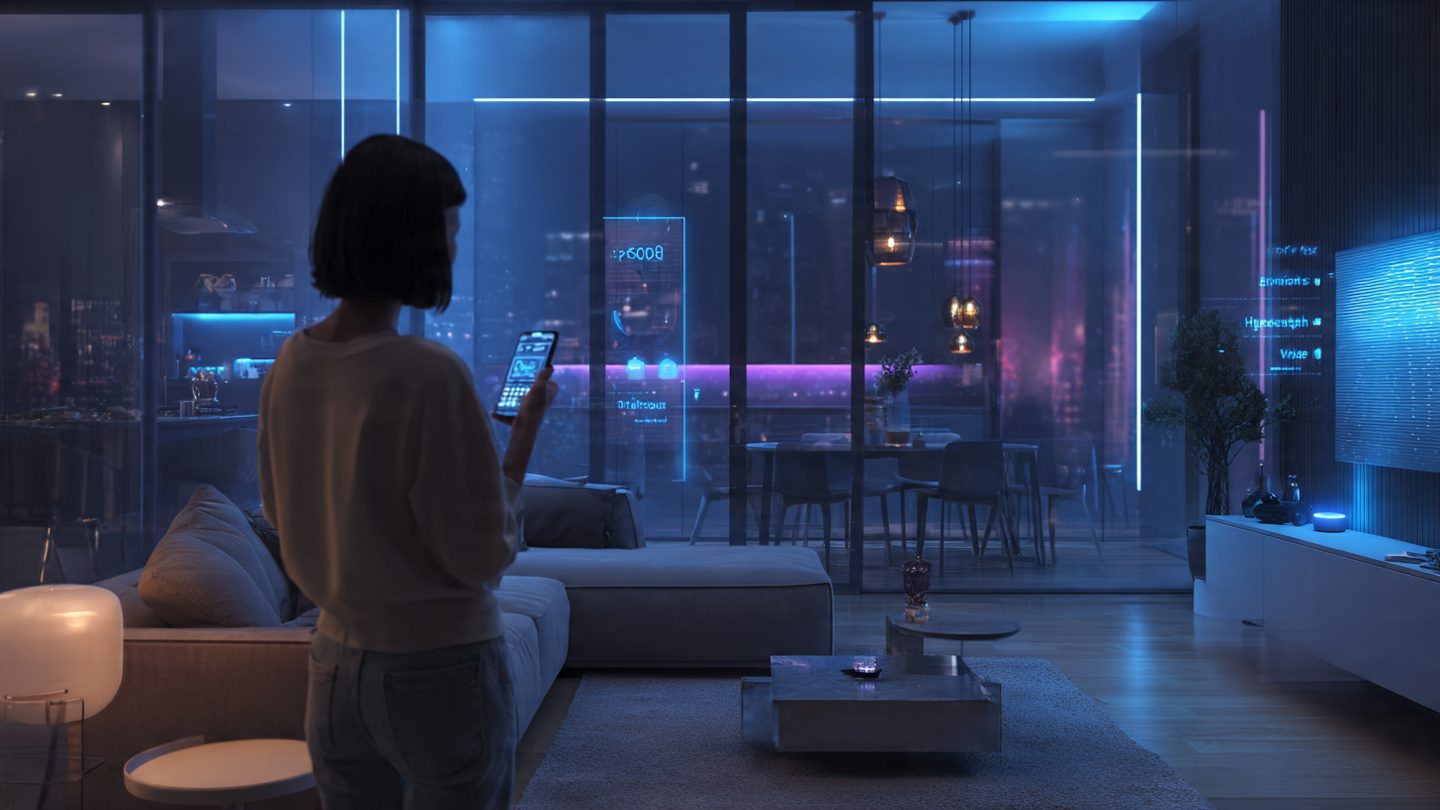
The rise of smart homes and automation in everyday living is redefining convenience. Technology is now integrated into every aspect of the home, making daily tasks easier and more efficient. From voice-controlled assistants to automated lighting systems, smart homes are becoming the new standard.
These innovations save time and energy. For example, smart thermostats can adjust temperatures based on your schedule, reducing energy consumption. Security systems with real-time monitoring provide peace of mind, even when you are away.
Automation also enhances comfort. You can control your home environment with a simple command or through your smartphone. This level of control was once considered futuristic but is now widely accessible.
However, this trend also raises concerns about privacy and data security. As more devices become connected, protecting personal information becomes crucial. Despite these challenges, the benefits of smart home technology continue to drive its adoption.
In the future, homes will become even more intelligent, adapting to our needs without requiring constant input. This will further transform how we interact with our living spaces.
Financial independence and passive income lifestyle strategies
Financial independence and passive income lifestyle strategies are becoming central goals for many individuals. People are seeking ways to reduce their reliance on traditional employment and create multiple income streams.
This includes investing in stocks, real estate, and digital assets. Online businesses, freelancing, and content creation are also popular avenues. The idea is to build systems that generate income with minimal ongoing effort.
This trend is closely linked to the desire for freedom. Financial independence allows people to make choices based on their passions rather than financial necessity. It also provides a sense of security in an uncertain economic environment.
Education plays a key role in this movement. People are actively learning about personal finance, investing, and entrepreneurship. Online courses and communities provide valuable resources and support.
While achieving financial independence requires discipline and planning, the long-term benefits are significant. It empowers individuals to take control of their lives and design their own paths.
Social media influence on lifestyle choices and identity
Social media influence on lifestyle choices and identity is one of the most powerful forces shaping modern behavior. Platforms have become a primary source of inspiration, information, and validation.
People often look to influencers and content creators for guidance on everything from fashion to fitness. This has created new opportunities for personal branding and entrepreneurship. At the same time, it has blurred the line between reality and curated content.
This influence can be both positive and negative. On one hand, it provides access to diverse perspectives and ideas. On the other hand, it can lead to unrealistic expectations and comparison.
Awareness is growing around the importance of authenticity. Users are seeking genuine content and meaningful connections rather than superficial interactions. This shift is encouraging creators to be more transparent and relatable.
As social media continues to evolve, its impact on lifestyle choices will remain significant. Understanding how to navigate this space is essential for maintaining a healthy sense of identity.
Urban vs rural migration and new living preferences
Urban vs rural migration and new living preferences are reshaping population dynamics. Many people are reconsidering where they want to live, especially after experiencing remote work.
Cities offer convenience, opportunities, and vibrant social scenes. However, they also come with high costs and fast-paced lifestyles. Rural areas, on the other hand, provide more space, lower expenses, and a closer connection to nature.
This shift is not about abandoning cities entirely. It is about finding a balance that suits individual needs. Some people are choosing hybrid lifestyles, splitting their time between urban and rural environments.
Infrastructure is adapting to support this change. Improved internet connectivity and transportation options are making remote areas more accessible. This is creating new opportunities for local economies and communities.
The long-term impact of this trend will depend on how governments and businesses respond. By addressing challenges such as infrastructure and services, they can support a more balanced distribution of populations.
Experience-based living and the shift away from materialism
Experience-based living and the shift away from materialism reflect a deeper change in values. People are prioritizing experiences over possessions, seeking fulfillment through memories rather than material goods.
Travel, events, and personal growth activities are becoming more important than owning luxury items. This shift is driven by the realization that experiences provide lasting happiness, while material possessions often lose their appeal over time.
This trend also aligns with minimalism. By reducing clutter and focusing on what truly matters, individuals can create more meaningful lives. It encourages intentional spending and mindful consumption.
Businesses are adapting by offering experience-based products and services. From immersive travel packages to interactive events, the focus is on creating memorable moments.
As this mindset continues to grow, it will influence how people define success and happiness. It represents a move toward a more purposeful and fulfilling way of living.
Summary
The biggest lifestyle trends that are changing the way we live are deeply interconnected. From digital minimalism to financial independence, each trend reflects a shift toward greater awareness and intentionality. People are redefining success, prioritizing well-being, and embracing flexibility. These changes are not temporary. They are shaping the future of society in profound ways.
FAQ
1. What are the biggest lifestyle trends right now?
Digital minimalism, remote work, sustainability, personalized wellness, and financial independence are among the most impactful trends.
2. Why are lifestyle trends changing so quickly?
Technology, globalization, and increased awareness are accelerating changes in how people live and make decisions.
3. How can I adapt to modern lifestyle trends?
Start by identifying what matters most to you. Focus on small, intentional changes that align with your goals.
4. Are these trends here to stay?
Most of these trends are long-term shifts rather than temporary fads, especially those related to technology and sustainability.
5. Which trend has the biggest impact?
It depends on the individual, but remote work and digital transformation are among the most influential globally.
CTA (Call-to-Action)
If you want to stay ahead of the curve and master the future of modern living, start applying these lifestyle trends today. Share this article, explore new habits, and take control of how you live, work, and grow.






