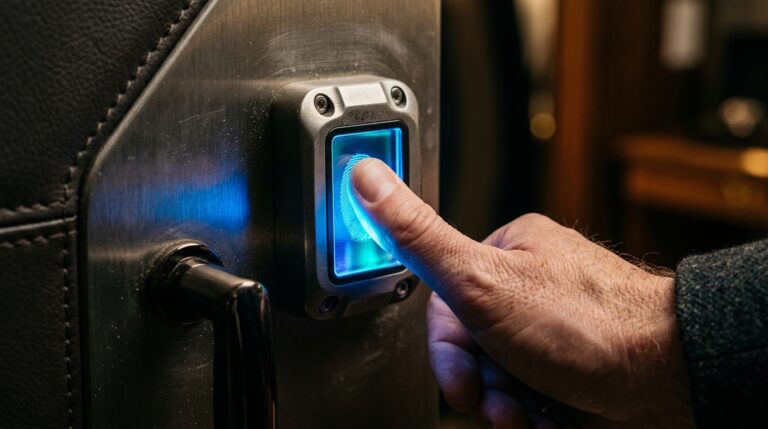
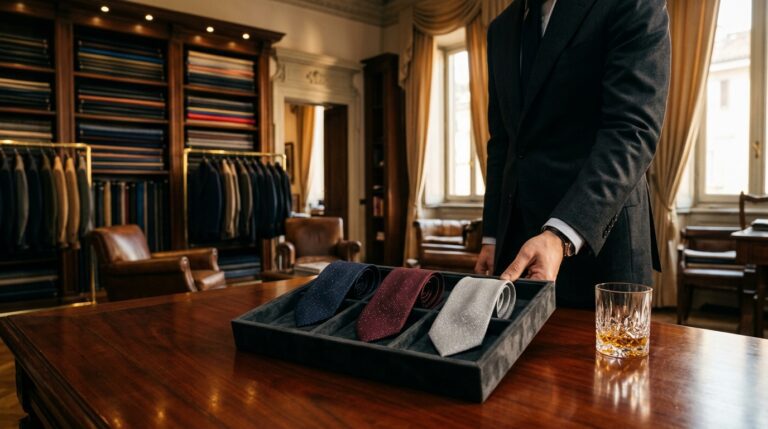
Kevlar body armor: It looks like something out of a Bond movie, but it can stop a bullet from a handgun.
 Befrey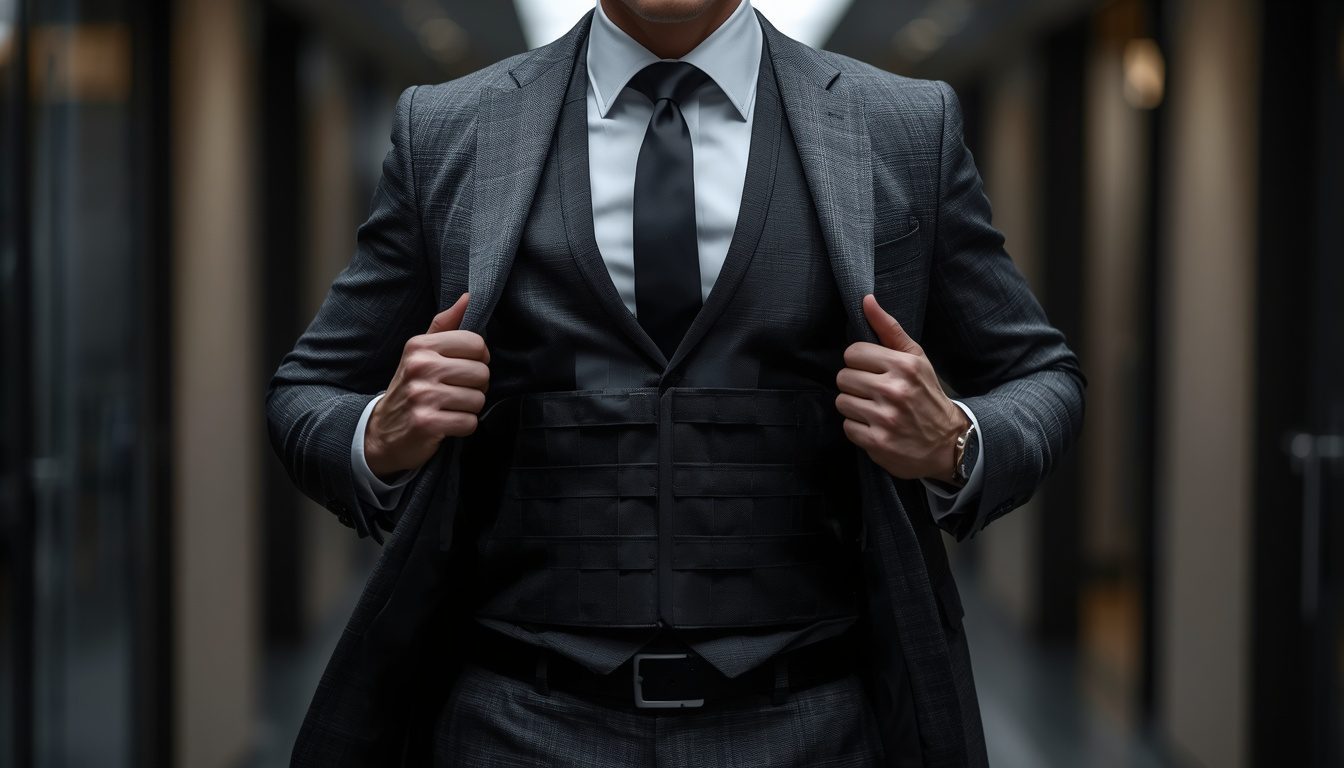
When James Bond slides across silver screens in a tailored three-piece suit that effortlessly deflects incoming gunfire, audience members often write it off as pure Hollywood fantasy. However, modern ballistics science proves that Kevlar body armor: it looks like something out of a Bond movie, but it can stop a bullet from a handgun is an absolute real-world engineering reality. Modern soft armor weaves thousands of synthetic polymer threads together to turn a lethal kinetic projectile into a squashed piece of lead in milliseconds. Law enforcement officers, security operators, and executive protection specialists rely daily on these lightweight, flexible vests to absorb massive impacts without restricting motion. Understanding how a flexible fabric vest can arrest a high-velocity handgun bullet requires looking deep into polymer chemistry, energy dissipation mechanics, and modern ballistic testing standards.
Secret Synthetic Polymer Chemistry Behind Modern Ballistic Fiber Weaves
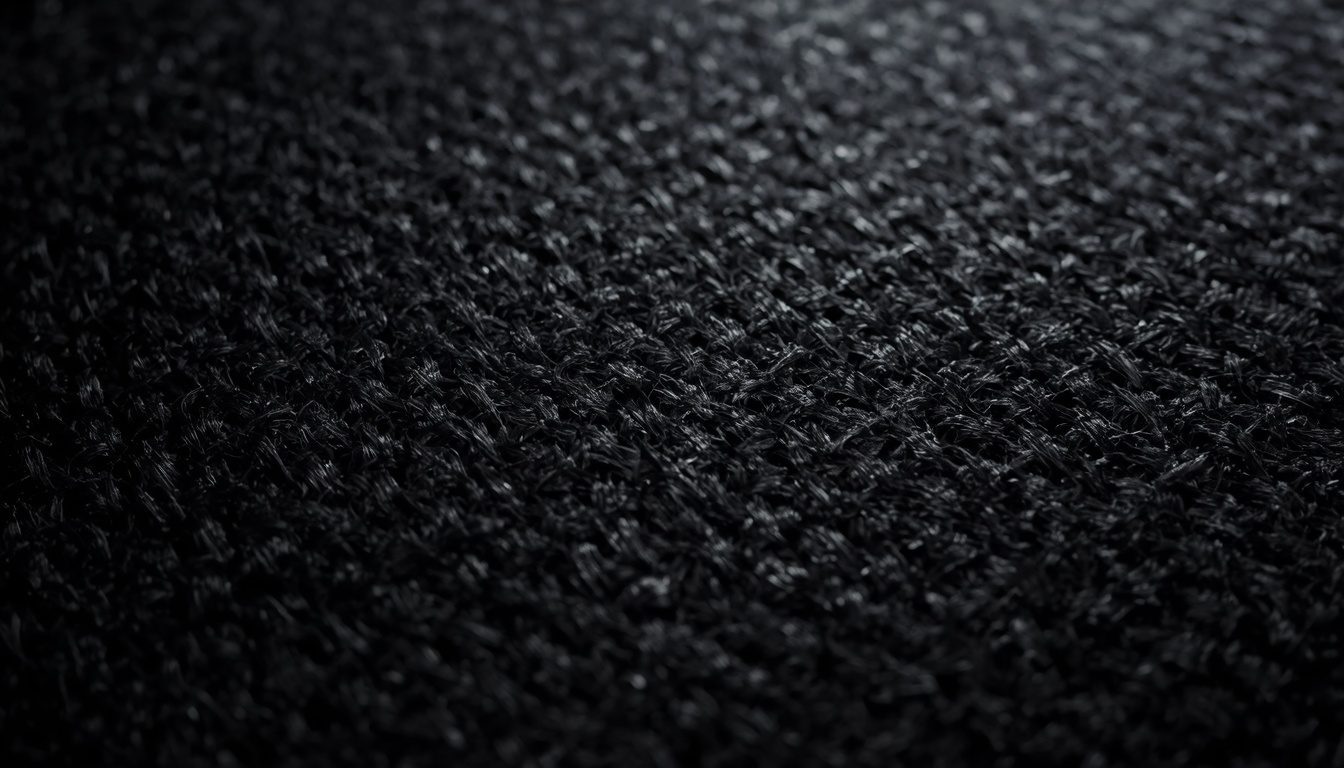
The secret behind flexible body armor rests inside the molecular architecture of para-aramid synthetic polymers. In 1965, DuPont chemist Stephanie Kwolek invented Kevlar, a liquid crystal polymer solution that hardens into incredibly dense parallel molecular chains. These long hydrogen-bonded polymer chains deliver a strength-to-weight ratio roughly five times greater than structural steel. When textile mills spin these aramid strands into yarn and weave them into tight cross-hatched sheets, they create a multi-layered barrier against kinetic projectiles. The interlocked weave prevents individual threads from separating when struck by a localized force. Because the chemical bonds absorb immense tensile stress before stretching or snapping, a thin sheet of flexible Kevlar fabric remains astonishingly resilient against violent physical impacts.
Understanding How Bulletproof Vest Energy Dissipation Stops High Velocity Rounds
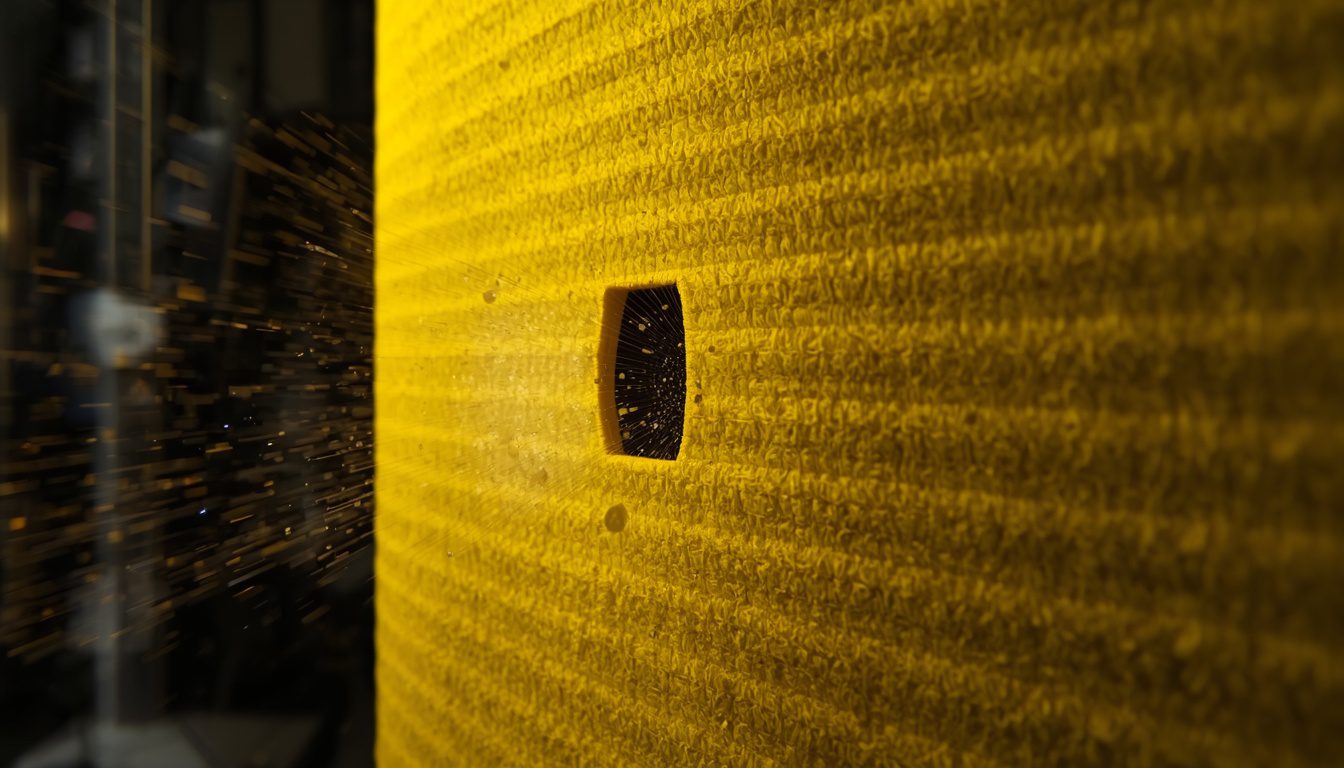
When a lead or full-metal-jacket handgun bullet strikes a Kevlar panel, the armor does not act like a rigid metal shield. Instead, it functions much like a high-strength spiderweb or a soccer ball hitting a goal net. The projectile hits the outer fabric layers, instantly engaging hundreds of individual woven aramid fibers that stretch and pull against adjacent threads. As the bullet attempts to push through, its kinetic energy transfers laterally across the entire panel area rather than remaining focused on a single point. This rapid energy dump forces the soft lead bullet to deform, mushroom, and flatten against the front face of the vest. By mushrooming the bullet, the vest increases the projectile’s surface area, making it impossible for the round to pierce the dense, multi-layered weave.
Comparing Handgun Caliber Stopping Power Across NIJ Rating Levels
Not all body armor panels are created equal, which is why the National Institute of Justice (NIJ) establishes standardized ballistic protection tiers. Soft Kevlar vests are strictly rated under handgun protection tiers, such as NIJ Level II and Level IIIA (or HG1 and HG2 under newer standards). A basic Level II soft vest easily stops standard 9mm Luger and .357 Magnum handgun rounds traveling at moderate velocities. Moving up to Level IIIA soft armor provides dense multi-layer Kevlar protection capable of defeating high-velocity .44 Magnum semi-jacketed hollow points and 9mm submachine gun fire. However, handgun-rated Kevlar vests cannot stop high-velocity rifle rounds like 5.56 NATO or 7.62x39mm, which require rigid ceramic or steel armor plates to shatter the hard core before energy dissipation can take place.
Exploring Concealable Executive Protection Armor Sleek Hollywood Aesthetics
Modern executive protection armor brings the classic James Bond aesthetic directly into reality through discrete tailoring. Advances in weaving technology allow manufacturers to blend ultra-lightweight Kevlar with flexible silk, cotton, or synthetic linings. Custom tailors create bespoke suits, leather jackets, and raincoats lined with flexible ballistic inserts that remain completely invisible to the naked eye. These sleek garments allow high-profile individuals, diplomats, and security personnel to navigate public environments with full torso protection without drawing attention. The flexibility of soft Kevlar allows the vest to conform to natural body contours, moving seamlessly with the wearer while maintaining full threat coverage. This perfect union of high fashion and ballistic science proves that cinematic protection style exists off the screen.
Analyzing Backface Deformation and Trauma Mitigation in Soft Armor Impacts
Stopping a handgun bullet from piercing the skin is only half the battle during a ballistic encounter. When a high-velocity bullet flattens against a Kevlar vest, the transferred kinetic energy causes the back of the vest to bulge inward toward the wearer’s body. This physical displacement is known as backface deformation. Without proper trauma padding, the force of a stopped .44 Magnum round can break ribs, rupture internal organs, or cause severe internal bleeding even without penetrating the fabric. NIJ standards strictly cap allowable backface deformation at 44 millimeters to ensure the wearer survives the blunt force trauma. Manufacturers insert dense foam backing panels behind the Kevlar weave to cushion the blow, spreading blunt energy evenly across the chest.
Maintaining Long Term Kevlar Ballistic Panel Durability and Degradation Prevention
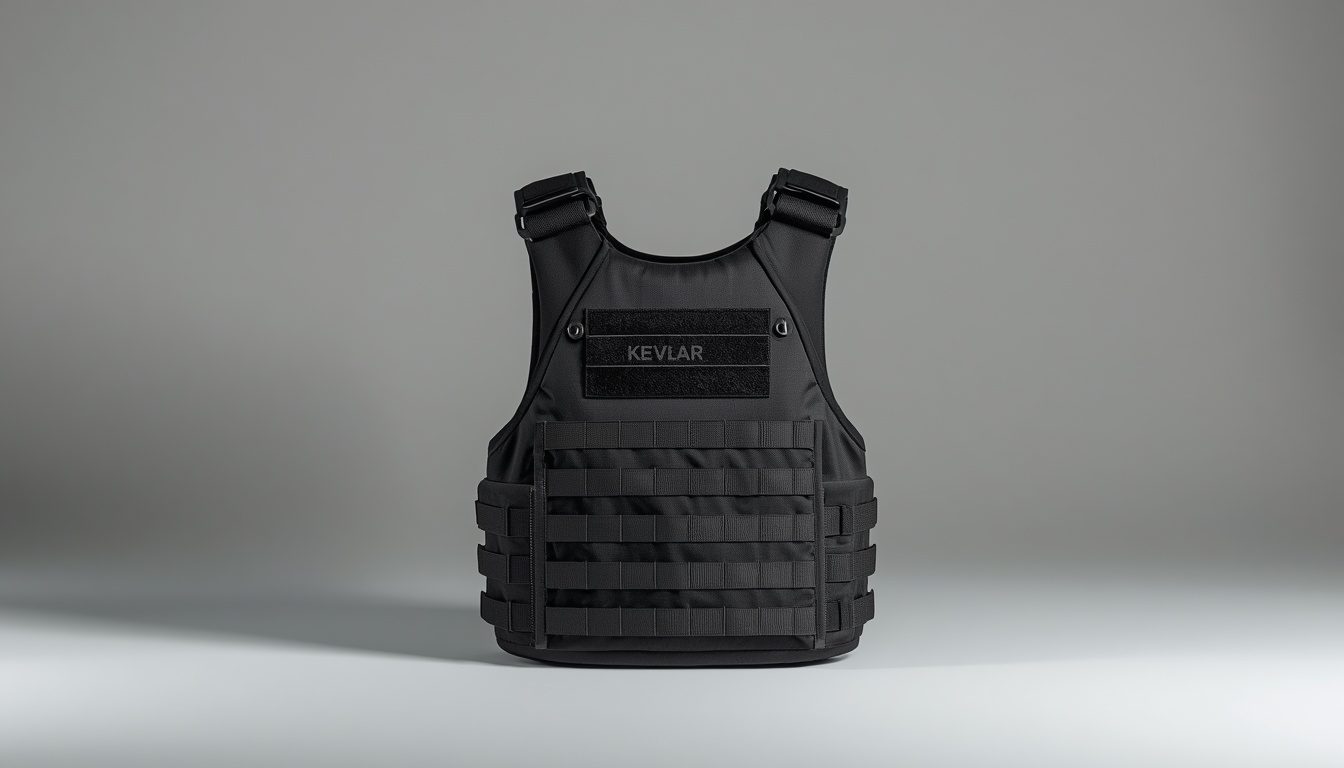
While aramid fibers possess incredible tensile strength, soft body armor panels require meticulous care to preserve their protective qualities. Kevlar is highly sensitive to ultraviolet light, moisture, and chemical exposure, all of which break down the synthetic polymer chains over time. Direct sunlight breaks aramid bonds, while persistent moisture allows water molecules to act as a lubricant between woven threads, temporarily reducing friction and enabling bullets to slip through. To combat this, manufacturers seal Kevlar ballistic cores inside waterproof, UV-resistant ripstop nylon covers. Armor carriers must be cleaned regularly, while the internal ballistic inserts should be wiped down with a damp cloth and laid flat to dry away from direct heat or sunlight. Most soft armor manufacturers issue a mandatory five-year service lifespan to guarantee maximum ballistic safety on duty.
The World’s Most Expensive Pocket Knife: Why a Pocket Knife Set with Diamonds Costs More Than a New Villa.
Watches Made from Moon Dust and Meteorites: What It’s Like to Wear a Piece of the Universe on Your Wrist for Half a Million
Summary
Kevlar soft body armor turns Hollywood movie tropes into real-world personal protection by utilizing dense para-aramid synthetic polymer weaves. When a handgun bullet strikes a flexible vest, the tightly interwoven strands catch the projectile, mushroom its surface area, and dissipate its kinetic energy across the entire panel. Rated under NIJ standards from Level II up to Level IIIA, soft armor reliably stops common handgun rounds up to .44 Magnum, though rifle threats require hard ceramic plates. With advancements in concealable executive tailoring and trauma mitigation padding, modern Kevlar armor offers sleek, lightweight, life-saving security for real-world operations.
Frequently Asked Questions (FAQ)
1. Can a soft Kevlar vest stop rifle bullets?
No. Standard soft Kevlar vests are designed specifically for lower-velocity handgun rounds up to .44 Magnum. High-velocity rifle rounds (like 5.56 NATO or .308 Winchester) will pass through soft armor and require hard ceramic, polyethylene, or steel plates for stopping power.
2. Is a Kevlar vest completely knife-proof and stab-proof?
Not automatically. While Kevlar is cut-resistant, fine edged weapons or pointed spikes (like ice picks) can push between the woven threads of standard ballistic panels. Specialized stab-resistant armor uses tighter weaves or metallic lamination to pass NIJ stab standards.
3. Does getting shot while wearing a Kevlar vest still hurt?
Yes. Even when the vest stops bullet penetration, the kinetic energy causes backface deformation, pushing inward against the body. Wearers often suffer severe bruising, welt marks, or broken ribs from the blunt force trauma.
4. How long does a standard Kevlar ballistic vest last?
Most soft body armor manufacturers specify a 5-year service life for Kevlar panels. Over time, body sweat, flexing, moisture, and environmental degradation weaken the aramid fibers.
5. Can you wash Kevlar body armor panels in a washing machine?
No. You should never submerge Kevlar ballistic panels in water or put them in a washing machine. The outer fabric carrier can be machine-washed, but the internal sealed Kevlar inserts must be hand-wiped with a damp cloth and mild soap.
Call-To-Action (CTA)
Protect yourself and your team with certified ballistic safety gear. Explore our comprehensive guides on NIJ body armor ratings, executive protection tailoring, and personal defense gear today to choose the right level of personal armor protection!