
 Befrey
If you’re debating “Is iPhone or Mobile with Android operating system better,” you’re not alone. This is one of the most common questions for anyone buying a new smartphone. The choice impacts performance, usability, security, and long-term value. Both platforms have evolved significantly over the years. iPhone offers a tightly integrated system, consistent updates, and premium design. Android devices provide variety, customizability, and flexibility across different price ranges. Understanding the differences helps make an informed decision tailored to your needs and lifestyle. This guide explores every dimension of the iPhone vs Android debate, covering hardware, software, security, multimedia, and cost.
Differences in user experience between iOS and Android
User experience is often the most noticeable difference between iPhone and Android devices. iOS is known for its simplicity, intuitive interface, and uniformity across apps. Menus, gestures, and system functions are consistent, providing a predictable experience. Android offers more customization, allowing users to arrange screens, widgets, and settings according to personal preference. Multitasking and split-screen capabilities are often more flexible on Android. However, this flexibility can introduce complexity for users new to smartphones. Apple’s ecosystem ensures seamless interaction between iPhone, iPad, Mac, and Apple Watch, creating a cohesive environment. Android, while diverse, relies on manufacturer-specific customizations, leading to varying user experiences across devices.
Hardware and performance comparison of iPhone vs Android devices
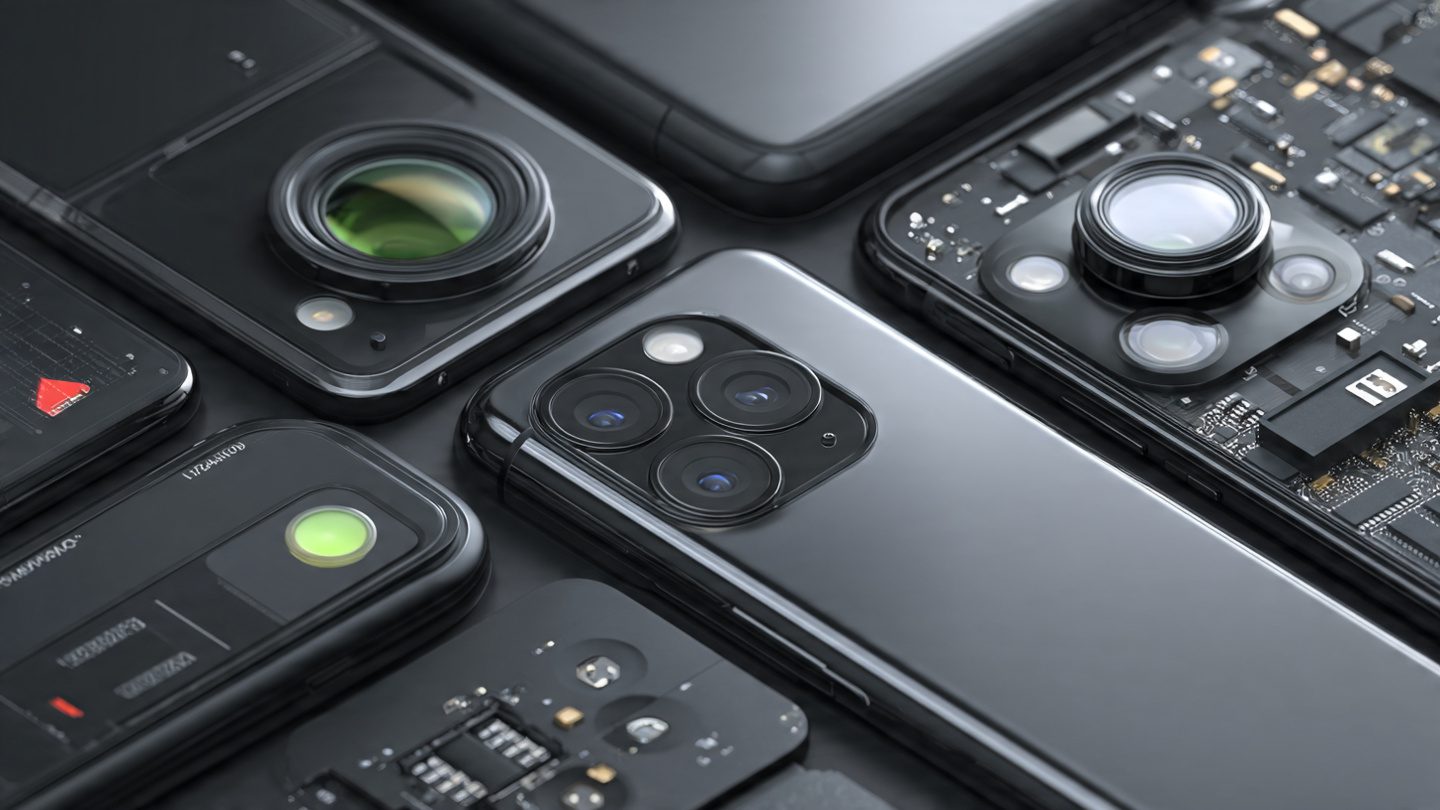
Hardware varies widely between iPhone and Android phones. iPhones use Apple-designed processors, optimized to work perfectly with iOS. This integration ensures smooth performance, even with lower RAM compared to Android devices. Android phones range from budget models to flagship devices with high-core-count processors and large RAM configurations. Flagship Android devices often offer higher resolution displays, larger batteries, and advanced cooling systems. Storage options on Android vary widely, some even supporting expandable memory, whereas iPhones are limited to fixed storage tiers. Benchmark tests often show iPhones performing efficiently due to software optimization, while Android performance depends on the specific manufacturer and model.
Security and privacy features on iPhone compared to Android
Security and privacy are critical considerations when choosing a smartphone. iPhones benefit from Apple’s closed ecosystem, rigorous app vetting, and frequent software updates. Features like Face ID, Touch ID, and strong encryption enhance security. Android provides a more open environment, giving users flexibility but increasing exposure to potential threats. Google Play Protect and system-level security updates help mitigate risks, but fragmentation in updates across devices can create vulnerabilities. Privacy tools, such as app permission management and tracking prevention, are improving on Android but remain more consistent on iPhone. Users valuing data privacy often prefer iOS due to its controlled ecosystem.
Software updates and longevity of iPhone vs Android phones
Software support is a major factor in long-term usability. iPhones typically receive major iOS updates for five to six years, ensuring security patches and new features. Android devices receive updates on a more varied schedule, depending on the manufacturer and model. Flagship Android phones may get three to four years of updates, while budget devices often receive limited support. Long-term updates ensure apps remain compatible and devices stay secure. Apple’s consistent updates contribute to higher resale value and prolonged device lifespan. Choosing Android requires careful consideration of the manufacturer’s update policy to ensure longevity.
Camera and multimedia capabilities of iPhone vs Android smartphones
Photography and multimedia capabilities differ significantly between iPhone and Android devices. iPhones focus on balanced imaging, ease of use, and reliable video recording. Features like cinematic mode, Smart HDR, and computational photography produce consistent results. Android phones offer diverse camera setups, including ultra-wide, macro, and periscope zoom lenses. Some flagship Android devices surpass iPhone in megapixels and low-light performance. Software processing varies, leading to differences in color reproduction and dynamic range. Video recording capabilities are strong on both platforms, but iPhones maintain stability and consistency across scenarios. Multimedia consumption also depends on display quality and audio output, areas where Android often offers larger screens and high-resolution panels.
Cost-effectiveness and value for money: iPhone vs Android
Pricing is a critical factor for many users. iPhones are typically premium-priced, reflecting build quality, optimization, and ecosystem integration. Resale value remains high due to consistent demand and update longevity. Android devices span a broad price spectrum, offering premium features in mid-range and budget models. Some Android phones provide equivalent or superior hardware at lower cost, including higher-resolution screens, larger batteries, and multiple cameras. Value for money depends on priorities: if long-term support, seamless ecosystem, and resale value matter, iPhone is compelling. For flexibility, customization, and upfront affordability, Android devices often offer better cost-effectiveness.
Customization and ecosystem considerations
Android devices excel in customization, allowing users to modify home screens, widgets, and app behaviors extensively. Users can install third-party launchers, themes, and apps unavailable on iOS. iPhones, while limited in customization, benefit from an integrated ecosystem. Apple’s continuity features connect devices, enabling handoff, AirDrop, and seamless synchronization across Mac, iPad, and Apple Watch. Android’s ecosystem varies by manufacturer, offering features like Samsung DeX or Google integration, but experiences differ. Ecosystem choice often influences purchasing decisions, especially for users with existing devices.
Battery life and charging options
Battery performance varies depending on hardware, software, and user habits. iPhones often use smaller batteries but optimize power efficiency through software. Android phones may include larger batteries and fast-charging capabilities. Some Android devices support wireless charging, reverse charging, and ultra-fast charging speeds beyond iPhone’s capabilities. Screen-on time and multitasking affect overall battery life, making Android devices with larger batteries more suitable for heavy users. iPhones prioritize balanced efficiency, providing consistent performance throughout the day. Charging convenience and longevity depend on the user’s workflow and device choice.
User preferences and subjective experience
Personal preference plays a major role in the iPhone vs Android debate. iOS is often preferred for simplicity, reliability, and cohesive design. Android is favored by users seeking flexibility, advanced features, and customization. App availability is generally similar across platforms, though some apps release iOS versions first. Gaming, productivity, and social media experiences are comparable but may differ slightly in interface design. Ergonomics, display quality, and tactile feedback influence satisfaction. The “better” device depends on the user’s values, priorities, and desired workflow.
What laptop to buy for working from home ?
Why does my phone drain quickly – is it worth buying a new one?
How to choose a mobile phone under €300 (best price/performance ratio)
Summary
Deciding Is iPhone or Mobile with Android operating system better depends on priorities. iPhones offer integration, consistent updates, security, and premium design. Android devices provide customization, hardware variety, cost flexibility, and innovation. Consider performance, camera quality, battery life, software support, and ecosystem compatibility. Ultimately, the “best” choice is personal, balancing budget, workflow, and preferences.
FAQ
1. Is iPhone better for security than Android?
iPhone generally provides stronger security due to a closed ecosystem and frequent updates. Android’s security varies by manufacturer and device model.
2. Can Android match iPhone’s user experience?
Android offers flexibility, but user experience consistency depends on the device and manufacturer. iPhone provides uniform usability across devices.
3. Are iPhones worth the higher price?
Yes, if you value long-term updates, ecosystem integration, and resale value. Android may offer better hardware for less upfront cost.
4. Which platform is better for photography?
Both are strong. iPhones provide consistent results; Android devices offer versatility and higher-end hardware in some models.
5. Do Android phones last as long as iPhones?
Flagship Android devices can last 3–4 years with updates, while iPhones often receive 5–6 years of support.
CTA (Call-To-Action)
Confused about which smartphone to choose? Explore the strengths of iPhone and Android devices and pick the one that suits your lifestyle and workflow best. Make an informed choice today!






