
 Befrey
Food preservation is one of the most important aspects of everyday life. Knowing the best food storage methods and understanding the causes of food spoilage can save money, protect your health, and reduce waste. Many people search daily for tips on “how to store food,” “why food goes bad,” or “ways to keep food fresh.” In this article, we will explore in detail how food spoils, what causes it, and the most effective storage techniques to extend shelf life.
Why Food Spoils
Food does not last forever. Natural changes begin as soon as it is harvested, cooked, or processed. Understanding the causes of food spoilage is the first step to prevention.
Microorganisms and Bacteria
One of the main reasons food spoils is microbial activity. Bacteria, yeasts, and molds break down food components and produce toxins, off-flavors, and unpleasant odors. Pathogenic bacteria can also cause foodborne illness, making proper storage essential.
Enzymatic Activity
Food contains natural enzymes that continue to work even after harvest. These enzymes speed up ripening and can lead to discoloration, loss of texture, and nutrient breakdown. For example, bananas turn brown quickly because of enzymatic reactions.
Oxygen Exposure
Oxygen accelerates oxidation, leading to rancidity in fats and oils. It also affects color, causing fruits like apples and avocados to turn brown. Reducing oxygen exposure is key in preserving freshness.
Temperature and Moisture
High temperatures encourage bacterial growth, while excess moisture creates an environment for mold and fungi. On the other hand, freezing or cooling slows down microbial activity and enzyme function.

Best Food Storage Methods
Learning the right food storage techniques can prevent spoilage and extend shelf life.
Refrigeration
Refrigeration slows down microbial growth and enzymatic activity. Fresh fruits, vegetables, dairy products, and meats should be stored in the refrigerator at the correct temperature (around 0–4 °C).
Freezing
Freezing is one of the most effective methods of long-term food preservation. It stops bacterial growth almost completely and maintains nutritional value. However, improper freezing can cause freezer burn, so airtight containers are important.
Vacuum Sealing
Vacuum sealing removes air from packaging, preventing oxidation and slowing microbial growth. It works well for both fresh and cooked food.
Drying and Dehydration
Removing water prevents bacteria and mold from growing. Dried fruits, jerky, and powdered foods last longer because of low moisture content.
Canning and Bottling
Canning uses heat to kill bacteria and seal food in airtight containers. This method is ideal for vegetables, fruits, soups, and sauces.
Pickling and Fermentation
Pickling in vinegar or saltwater changes the pH level, creating an environment where bacteria cannot grow. Fermentation also develops beneficial probiotics, which preserve and enrich the food.
Proper Packaging
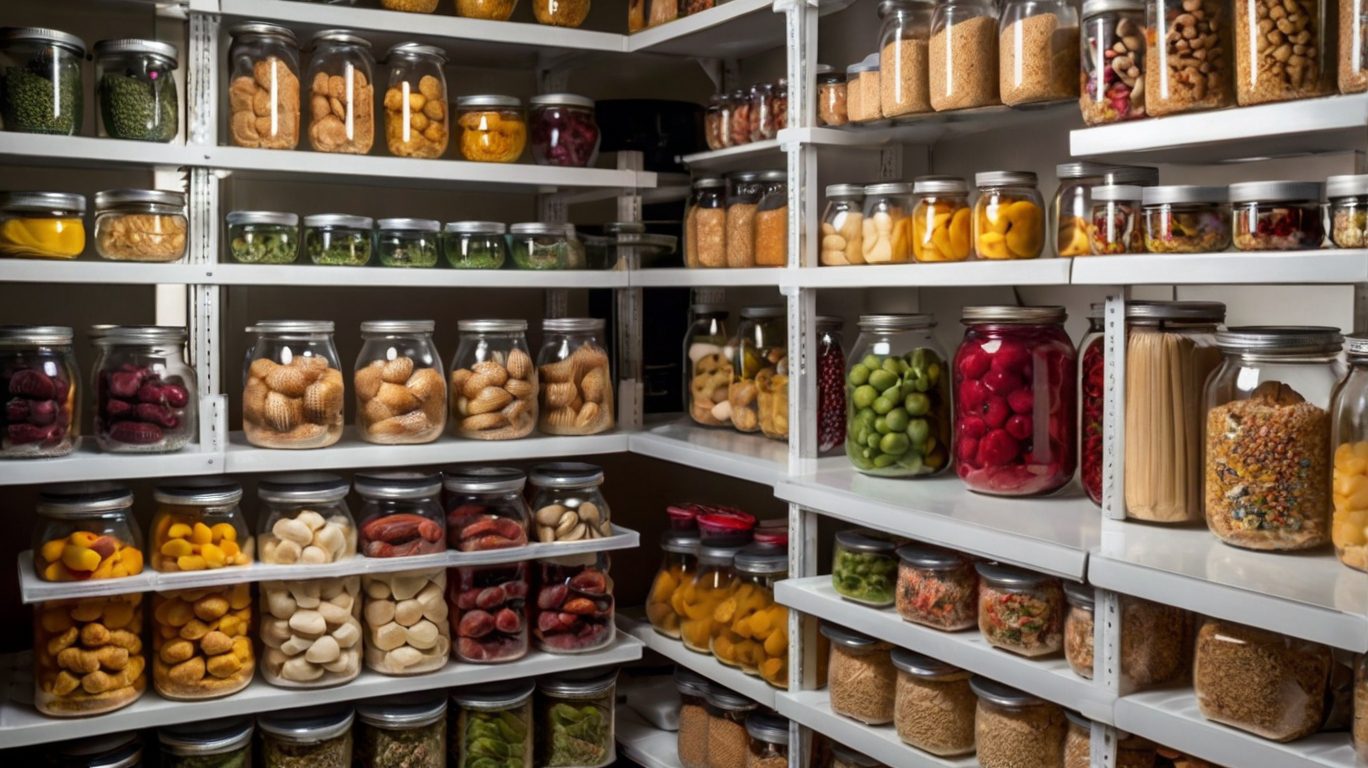
Food should always be stored in clean, airtight containers. Glass jars, BPA-free plastic, and stainless steel containers help prevent contamination and preserve quality.
Tips for Storing Different Types of Food
Fruits and Vegetables
-
Keep apples away from other produce, as they release ethylene gas that speeds ripening.
-
Store leafy greens in perforated bags to maintain freshness.
-
Do not wash berries until you are ready to eat them to prevent mold.
Meat and Fish
-
Keep raw meat in the coldest part of the refrigerator.
-
Store fish on ice or freeze immediately if not eaten the same day.
-
Always separate raw meat from ready-to-eat foods to avoid cross-contamination.
Dairy Products
-
Milk should be placed at the back of the fridge, not in the door where temperatures fluctuate.
-
Cheese lasts longer if wrapped in wax paper before refrigerating.
-
Yogurt can be stored for up to two weeks when sealed properly.
Dry Goods
-
Keep rice, pasta, and flour in airtight containers to avoid pests.
-
Store grains and nuts in a cool, dry place to prevent rancidity.
-
Use oxygen absorbers in long-term storage containers for maximum shelf life.
How to Recognize Spoiled Food
It is important to know the signs of food spoilage to avoid health risks.
-
Unpleasant odor or sour smell
-
Slimy texture or discoloration
-
Visible mold or fungal growth
-
Unusual taste
-
Swelling or leaking in canned goods
If in doubt, always follow the rule: “When in doubt, throw it out.”
How to Prevent Food Spoilage at Home
-
Always check expiration dates and use older items first (FIFO method: First In, First Out).
-
Store leftovers in airtight containers and refrigerate within two hours.
-
Avoid overcrowding your fridge; proper air circulation helps maintain consistent temperature.
-
Wash your hands before handling food to reduce contamination.
-
Plan meals and shop wisely to reduce food waste.
The Benefits of Proper Food Storage
Good food storage practices not only keep food fresh but also bring many benefits:
-
Saves money by reducing waste
-
Preserves nutritional value
-
Reduces risk of foodborne illness
-
Protects the environment by lowering waste
-
Ensures convenience with longer shelf life
Final Thoughts
Food spoilage is a natural process, but with the right knowledge, it can be delayed or prevented. Understanding the main causes of food spoilage and applying effective food storage methods will keep your food safe, fresh, and nutritious for longer. By paying attention to temperature, moisture, packaging, and storage techniques, you can make a big difference in your household’s health and budget.






