
 Befrey
How to Store Food Properly and Causes of Food Spoilage
Knowing how to store food properly is essential for keeping your meals safe, fresh, and full of flavor. Proper food storage prevents spoilage, reduces waste, and saves money. Understanding the main causes of food spoilage — such as bacteria growth, mold, and improper temperature — is the first step to healthier eating and a more sustainable kitchen. By following the right storage methods, you can extend shelf life and protect your family’s health.
Importance of Proper Food Storage
Storing food correctly maintains nutritional value and flavor. It slows the growth of harmful bacteria and mold. This helps avoid foodborne illnesses and reduces the risk of wasting expensive groceries. Whether it’s fresh vegetables, meat, dairy, or leftovers, knowing the correct method is vital.
Common Causes of Food Spoilage
Food spoilage occurs when microorganisms, enzymes, and environmental factors break down food quality. The most common causes include:
-
Bacteria and mold – thrive in warm, moist environments.
-
Temperature abuse – leaving perishable items out for too long.
-
Cross-contamination – storing raw meat with ready-to-eat foods.
-
Excess moisture – accelerates spoilage in dry goods.
By identifying these causes, you can adjust storage habits to prevent them.
How to Store Perishable Foods
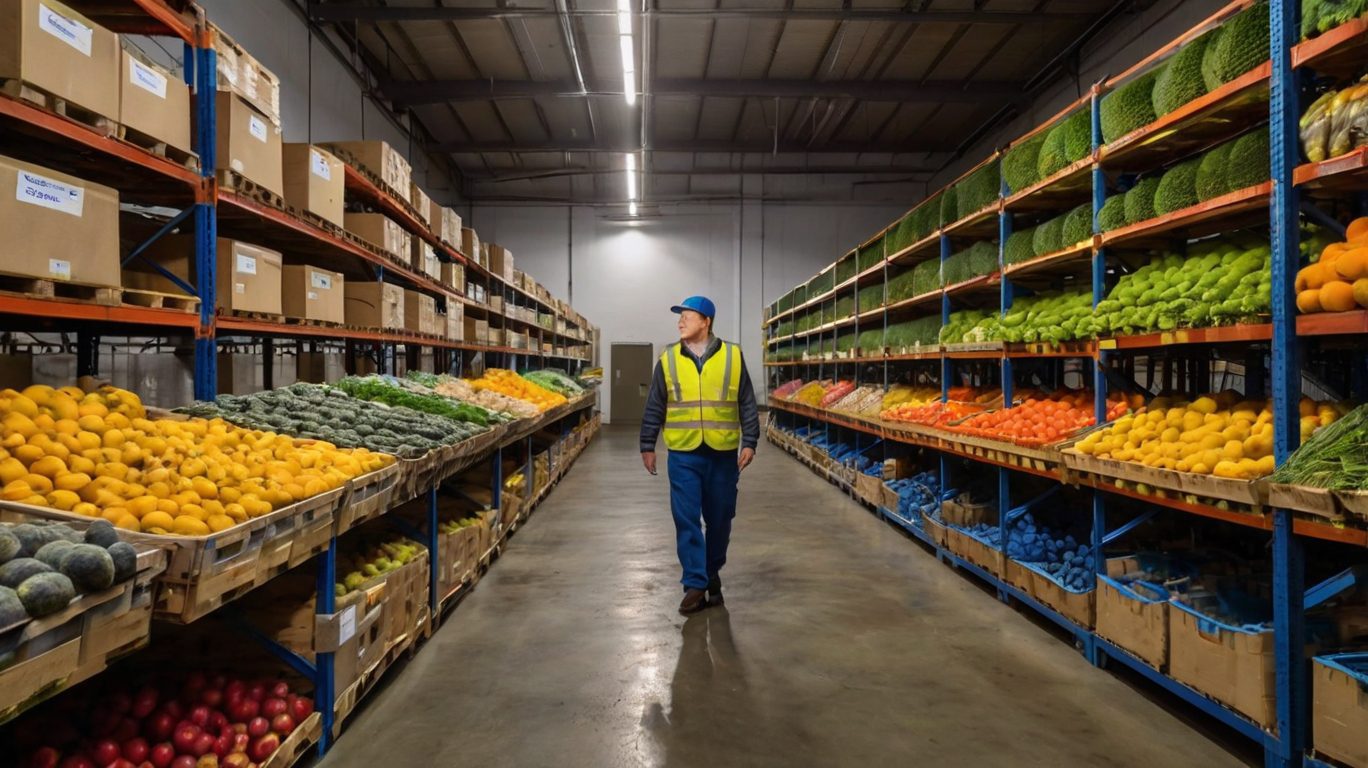
Perishable foods like meat, poultry, fish, and dairy require refrigeration at or below 40°F (4°C). Always store them in airtight containers to prevent contamination. For longer storage, freezing is ideal — but ensure food is wrapped well to avoid freezer burn.
Storing Fruits and Vegetables Correctly
Different produce requires different storage methods:
-
Leafy greens – keep in the fridge with a paper towel to absorb moisture.
-
Bananas and tomatoes – store at room temperature until ripe.
-
Berries – wash only before eating to avoid mold growth.
Proper produce storage reduces waste and keeps nutrients intact.
Best Practices for Dry and Canned Goods
Dry goods like rice, pasta, and flour should be stored in airtight containers in a cool, dry place. Keep canned foods away from direct sunlight and heat sources. Always check expiration dates and rotate stock so older products are used first.
Avoiding Cross-Contamination
Cross-contamination is a major cause of foodborne illness. Use separate cutting boards for raw meat and vegetables. Store raw meat on the lowest shelf in the refrigerator to prevent juices from dripping onto other foods.
Using Labels and Dates for Better Organization
Label leftovers and frozen items with the date they were stored. This helps track freshness and reduces the chance of eating spoiled food. A simple labeling system can make a big difference in food safety.
Benefits of Learning How to Store Food Properly
When you know how to store food properly, you extend its shelf life, save money, and protect your health. By avoiding the causes of food spoilage, you create a cleaner, more organized kitchen and reduce your environmental footprint.






