
 Befrey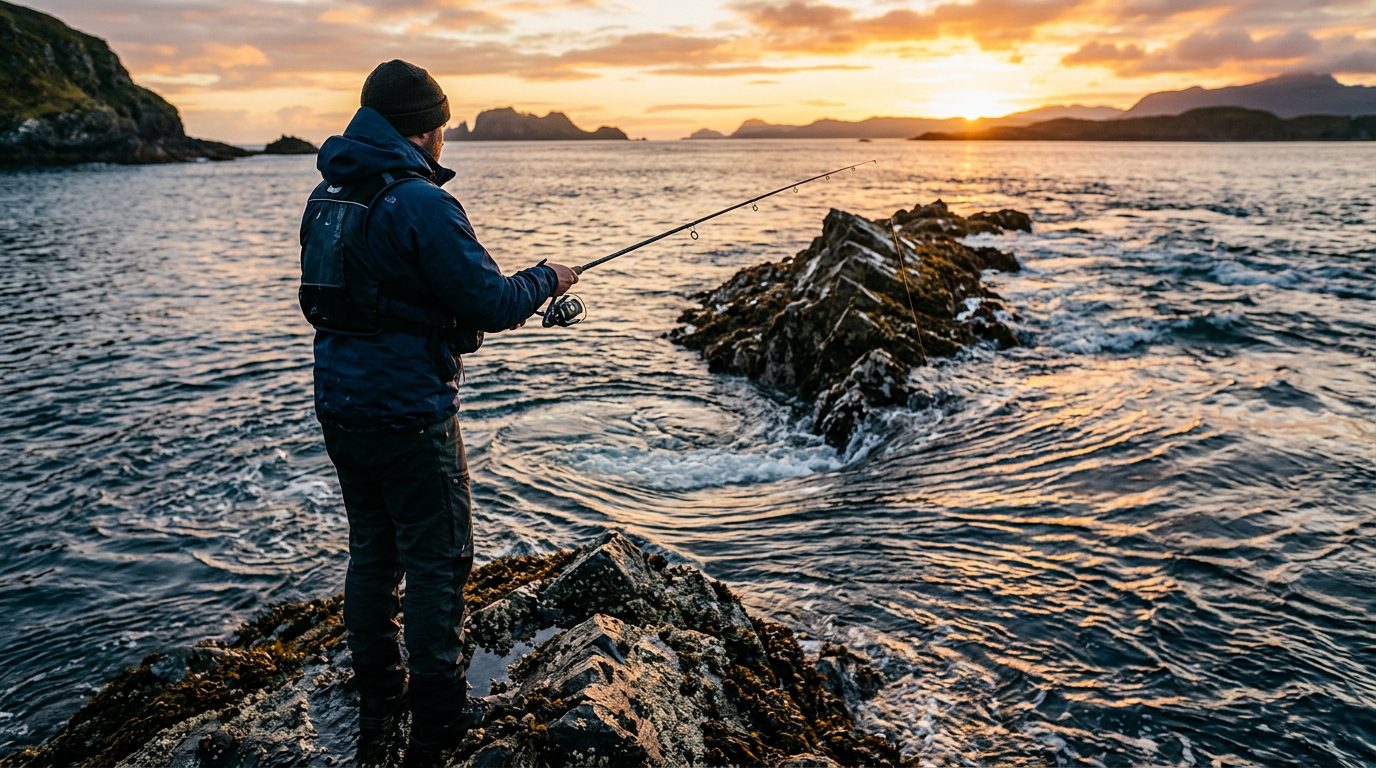
Understanding how fish interact with moving water is the single fastest way to transform your success on the water. Most anglers look at a river or tidal stretch and see a uniform body of water, but beneath the surface lies a complex network of highways, rest stops, and hunting grounds. Fish do not swim randomly through moving water because fighting constant drag burns massive amounts of energy. Instead, they position themselves in precise zones where current dynamics deliver food directly to them while minimizing their physical effort. Learning how to read water currents to find where fish hide allows you to stop blind casting and start targeting high-probability zones with pinpoint precision.
Decoding River Anatomy to Spot Current Breaks
Every moving body of water features distinct structural disruptions that alter the speed and direction of the flow. A current break occurs anywhere an object, depth change, or shoreline feature interrupts the main force of the river. When moving water hits an obstruction like a boulder, fallen tree, or bridge pylon, it is forced to bend around the obstacle, leaving a calm pocket of water directly behind it. Fish utilize these current breaks as staging areas where they can sit effortlessly while watching the fast water carry aquatic insects, baitfish, and debris past their vision. Identifying these breaks from the bank or a boat is the foundation of reading any aquatic system.
Identifying Seam Lines and Energy Boundaries
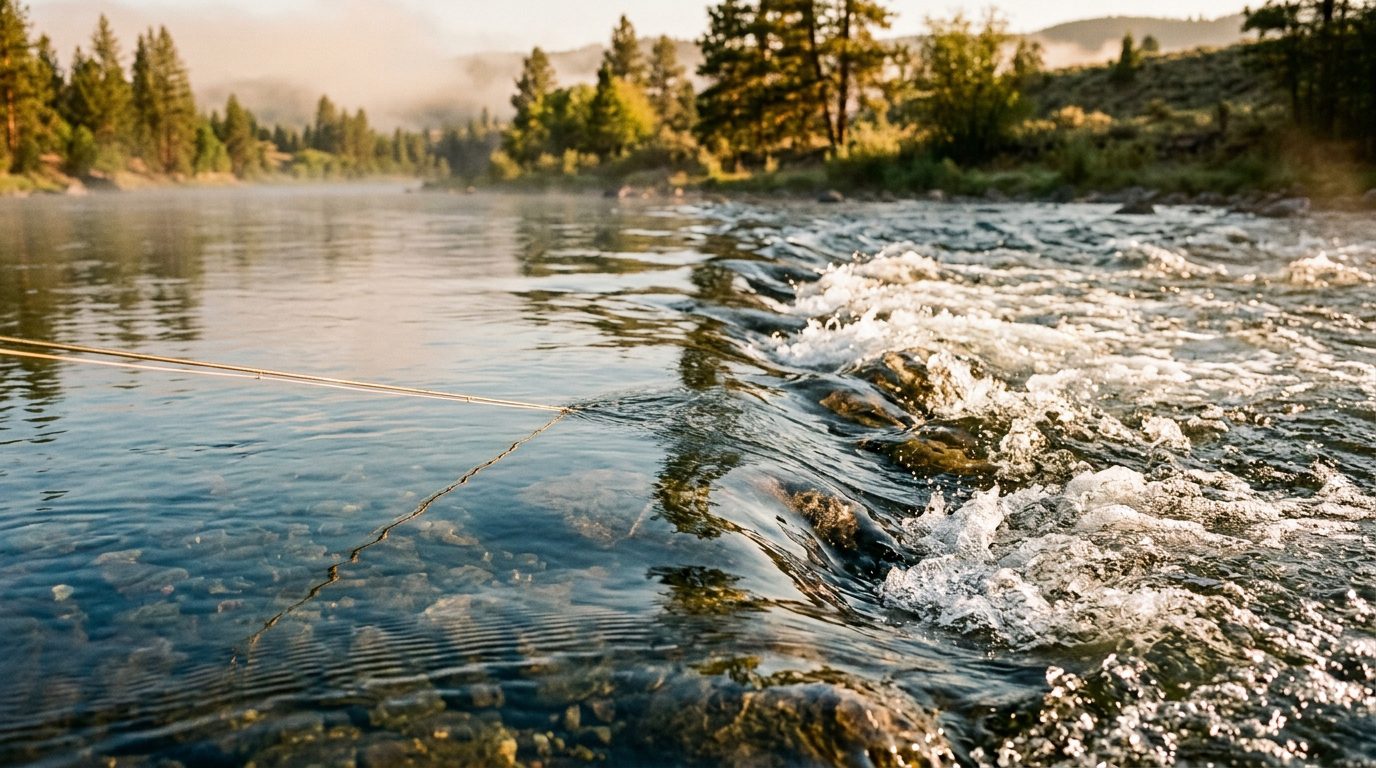
A seam line is the exact boundary where fast-moving current meets slow or slack water. These lines are easily visible on the surface as smooth, glassy trails running alongside ruffled, turbulent water. Fish love seam lines because they can rest in the slow side while darting into the fast side to snag passing prey with minimal energy expenditure. Look for foam lines, bubbles, or drifting debris that naturally gather along these edges, as food concentrates in the exact same spots fish hold.
Target Resting Zones Behind Submerged Boulders
Submerged boulders act as hydraulic cushions that force the water upward and around, creating a pocket of dead water both upstream and downstream. The downstream side offers a massive shelter where fish rest facing upstream, ready to pounce on anything washing over the top of the rock. The upstream side, often called the pillow, also holds fish because the water piling against the front face creates a small, high-pressure zone of surprisingly calm water right near the riverbed.
Finding Fish in Eddies and Swirling Currents
Eddies are dynamic water features formed when a strong current flows past an indentation in the shoreline or a massive obstruction, causing the water behind it to recirculate upstream. This circular motion creates a micro-ecosystem within the river that traps floating food particles for extended periods. Fish enter eddies to take advantage of this continuous carousel of food, often hovering right along the spinning perimeter.
Recognizing Backtrolls and Reverse Flows
When water flows backward against the main direction of the river, it creates a backtroll or reverse flow. This reverse current reduces the effort required for a fish to maintain its position, allowing it to face downstream relative to the main river while remaining stationary against the eddy’s motion. Anglers who cast into the middle of the eddy often miss fish, whereas targeting the outer ring where the reverse flow meets the main current yields consistent strikes.
Exploiting Swirl Zones for Ambush Predators
Swirling currents created by uneven riverbeds or colliding flows disorient baitfish and smaller aquatic life. Predatory fish capitalize on this loss of balance by positioning themselves at the base of the swirl where the water calms down. Casting your lure just upstream of a visible surface swirl allows it to drift naturally into the strike zone, mimicking an injured prey item caught in the vortex.
Locating Deep Holes Behind Fast Riffles
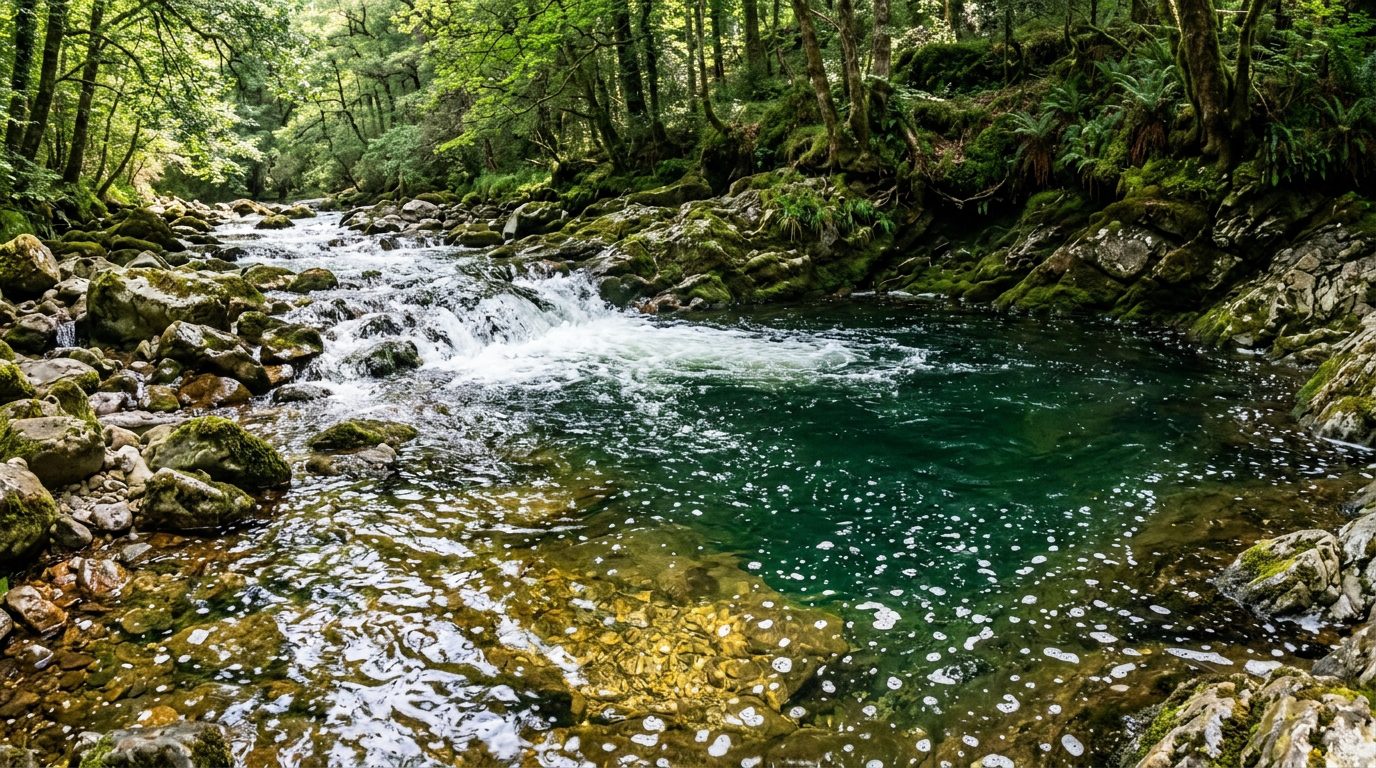
Riffles are shallow, fast-moving sections of a stream where the water flows over small rocks and gravel, oxygenating the system and dislodging food. Immediately downstream of a riffle, the riverbed typically drops off into a deeper pool. This transitional area, known as the pool head, is one of the most reliable places to find fish in any river system because it combines high oxygen, abundant food, and deep safety cover.
The Dynamics of Pool Heads and Drop-Offs
As fast water from a riffle pours into a deep hole, it plunges downward before slowing down. Fish sit right at the drop-off ledge, facing upstream toward the shallow riffle. The shallow water acts as a conveyor belt feeding the pool, while the drop-off provides dark, deep cover that protects larger fish from overhead predators and strong surface forces.
Sifting Through Oxygenated Water Zones
Water moving over riffles absorbs atmospheric oxygen rapidly, making the area directly below it a haven for active, feeding fish during warm summer months. When water temperatures rise, oxygen levels drop in stagnant areas, forcing fish to migrate toward the turbulent heads of pools. Focusing your efforts on the bubbly, aerated water right at the top of a deep hole ensures you are fishing where fish are most active.
Master Underwater Hydrodynamics and Friction Layers
Water does not move at a uniform speed from the surface down to the riverbed. Due to physical friction against rocks, gravel, and mud, the layer of water directly touching the bottom moves significantly slower than the surface current. This hydrodynamic phenomenon creates a protected micro-habitat where fish can reside comfortably even in rivers that appear to be raging on top.
Understanding Boundary Layer Physics for Anglers
The boundary layer is the thin region of reduced velocity along the floor of a body of water. A river may have a surface speed of four miles per hour, but six inches above the bottom, the speed might drop below one mile per hour. Fish take full advantage of this physical law by hugging the substrate, allowing them to remain virtually motionless while waiting for food to drift over their heads.
How Bottom Roughness Alters Current Velocity
The rougher the bottom composition, the larger the boundary layer becomes. A riverbed covered in large, jagged cobble creates far more friction and micro-pockets of calm water than a smooth, sandy bottom. Target stretches of water featuring mixed gravel and large stones, as these bottom structures provide thousands of tiny Current breaks that support healthy populations of fish.
Reading Tidal Currents in Estuaries and Coastal Waters
In coastal zones and estuaries, water movement is driven by the rise and fall of tides rather than gravity alone. Tidal currents reverse direction multiple times a day, completely changing where fish hold based on the stage of the tide. Understanding how salt water moves through bottlenecks, channels, and points is essential for locating predatory marine species that rely on current to feed.
Mapping Funnels, Points, and Constriction Zones
When a large volume of tidal water is forced through a narrow channel, island pass, or around a rocky point, its speed increases dramatically. These constriction zones create massive feeding bottlenecks. Predatory fish gather on the down-current side of points and sandbars, waiting in the slack water for the ripping current to sweep helpless baitfish past their station.
Harnessing Slack Tide vs Ripping Current Shifts
During the peak of a tidal flow, water moves at its maximum speed, often forcing fish to seek extreme cover near heavy structure or deep channel edges. Conversely, during slack tide—when the water stops moving before changing direction—the feeding activity often grinds to a halt as the conveyor belt of food pauses. The transition periods just after slack tide, as the current begins to pick up momentum, typically trigger the most intense feeding windows.
Spotting Tailouts and Pool Exits Before Flat Water
The tailout is the lower section of a pool where the bottom gradually shallows out before dropping into the next set of rapids or riffles. As the water approaches the tailout, it speeds up and flattens out, creating a smooth surface appearance. Despite the shallower depth, tailouts are premier holding spots, especially during low-light conditions like dawn and dusk.
Identifying Food Traps at the End of Pools
Because a pool narrows and shallows at its tailout, all the food traveling through the pool is funneled into a condensed channel. Fish spread out across the lip of the tailout to intercept this concentrated stream of nutrients. The key to fishing a tailout is a delicate presentation, as the flat surface makes fish more sensitive to splash and line shadow.
Navigating Low-Light Feeding Transitions
During the heat of the day, fish often hide in the deepest holes of a pool, but as the sun sinks low, they shift back toward the tailout. The accelerating current allows them to spot prey silhouettes clearly against the sky. Target these shallow pool exits during early morning or late evening hours for explosive action on topwater lures or unweighted drifts.
Analyzing Structure-Induced Velocity Pockets
Structure in moving water—whether natural like logjams and undercut banks, or man-made like bridge pilings and wing dams—creates predictable flow disruptions. Every structure produces a high-velocity zone on its outer edges and a low-velocity pocket in its lee. Knowing how to read these velocity pockets helps you dissect complex cover efficiently.
Reading Undercut Banks and Sweepers
Undercut banks occur where the current carves away the dirt beneath tree roots along the outside bend of a river. This creates an overhang with dark, slow water directly beneath the bank, protected by the fast current rushing past the outside edge. Fish hide deep inside these undercut caverns, looking out toward the main flow to ambush prey drifting past the bank line.
Exploiting Man-Made Deflectors and Bridge Piers
Bridge piers and jetties act as massive flow deflectors, creating large V-shaped eddies behind them. The point of the “V” directly behind the pier contains dead water, while the arms of the “V” represent high-speed current seams. Cast your bait into the calm point of the “V” and allow it to drift along the inner seam where large predators stage to catch disoriented prey.
Adjusting Strategy for Seasonal Flow Changes
Water volume and current velocity fluctuate throughout the year due to spring snowmelt, summer droughts, and autumn rains. A spot that holds dozens of fish in July might be completely uninhabitable during the high-water conditions of May. Adapting your water-reading skills to seasonal flow levels ensures you find fish regardless of water height.
High Water Tactics: Finding Shoreline Pockets
During spring floods or heavy rain events, the main river channel becomes a high-velocity torrent filled with mud and debris. Fish are forced out of their typical holding spots and move extremely close to the banks, seeking shelter in submerged grass, flooded bushes, and small shoreline indentations. Look for tiny pockets of clear, slow water right along the bank edge where fish escape the punishing main current.
Low Water Precision: Targeting Main Channel Troughs
In the heat of late summer, low water levels reduce current speed and shrink holding habitat. Fish leave shallow riffles and shoreline cover to concentrate in the main river trough—the deepest, fastest-flowing path through the river channel. In these conditions, pinpointing the exact micro-channels where the remaining current flows is critical for locating concentrated schools of fish.
How to Choose Your Very First Fishing Rod Without Overspending
Spinning vs casting reels key differences every beginner must know
Essential fishing knot every angler needs to master today.
Summary
-
Fish avoid strong current to save energy, hiding in calm zones near moving water to capture drifting food.
-
Seam lines mark the boundary between fast and slow water, serving as prime feeding lanes for resting fish.
-
Eddies, swirl zones, and reverse flows trap floating organisms, creating natural feeding carousels.
-
Pool heads directly below aerated riffles offer high oxygen levels, deep cover, and a steady stream of nutrients.
-
Bottom friction creates a boundary layer along the riverbed where current speed drops significantly, allowing fish to hold position easily.
-
Tidal bottlenecks, points, and channel constrictions concentrate baitfish during active water shifts.
-
Tailouts funnel food into shallow pool exits, making them ideal low-light feeding zones.
-
Seasonal flow shifts require targeting shoreline pockets during high water and main channel troughs during low water.
Frequently Asked Questions
What is the most reliable water feature for finding fish in a river?
The most reliable feature is a seam line—the exact edge where fast current meets slow water. Seams allow fish to rest in calm water while watching the fast current bring food directly to them.
Why do fish stay at the bottom of fast-moving water?
Due to fluid dynamics, friction between the water and the riverbed creates a slow-moving zone near the bottom called the boundary layer. Fish sit in this layer to avoid fighting the strong surface current.
How do seasonal water levels affect where fish hide in currents?
High water forces fish out of the main channel and into flooded bank vegetation to escape heavy flows. Low water concentrates fish into the deepest central troughs where the remaining current provides oxygen and cover.
Are eddies good places to cast a lure?
Yes, but the key is targeting the outer edge of the eddy rather than the dead center. Fish usually sit along the perimeter where the spinning water meets the main current to catch disoriented prey.
How does tidal current differ from river current when locating fish?
River current flows in one direction continuously, while tidal current reverses direction multiple times daily. Marine fish adjust their holding positions around points and structure based on which way the tide is currently pushing.
Ready to Master the Water?
Stop wasting time casting into empty, featureless water. Take these hydrodynamics principles to your local river, creek, or coastal inlet on your next trip out. By training your eyes to spot subtle current seams, deep drop-offs, and boundary layers, you will instantly read the water like a professional angler and hook into more fish. Pack your gear, head to the bank, and put your new water-reading skills to the test today!





