Befrey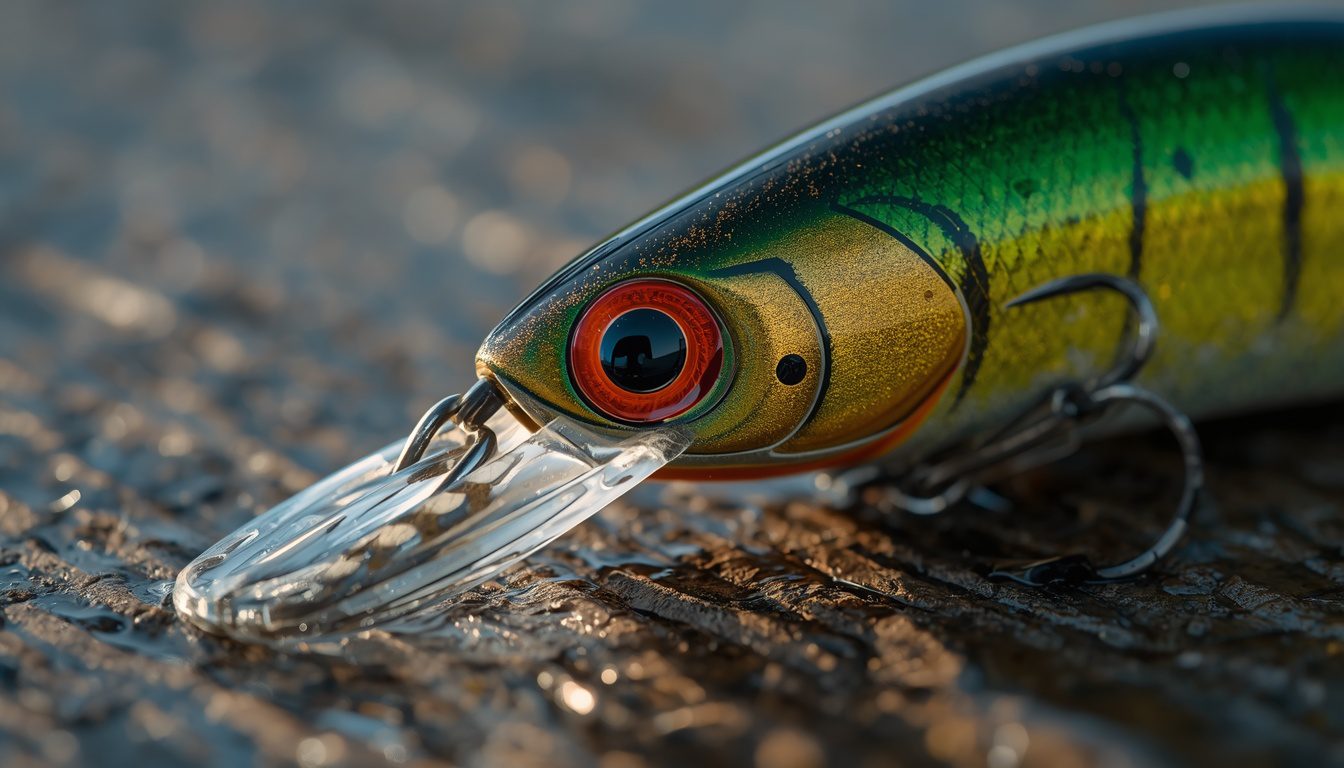
Essential fishing knot every angler needs to master today is the single critical connection standing between you and the fish of a lifetime. Thousands of anglers head out to the water every single day using weak, outdated knot connections that secretly slip under pressure. You can buy the most expensive carbon rod, spool the highest-grade line, and tie on a top-tier lure, but a flawed connection guarantees heartbreaking gear failure. The Palomar knot has consistently proven itself in scientific breaking-strength tests as the undisputed king of line-to-terminal connections. It retains nearly one hundred percent of your line’s original strength while remaining remarkably simple to tie under pressure. Mastering this legendary connection will completely eliminate catastrophic knot slips and transform your confidence on the water.
Unlocking Unbeatable Terminal Knot Strength and Reliability
Terminal knot strength represents the exact percentage of line strength preserved after tying your hook or lure. Standard fishing knots often severely degrade line strength through sharp bends, extreme friction, and mechanical strangulation under tension. The Palomar knot achieves virtually flawless ratings because it distributes heavy tension across a double loop of line passing directly through the hook eye. This dual-strand architecture prevents localized line crushing when a giant fish makes a sudden, violent run into heavy cover. Anglers who rely on basic overhand wraps regularly suffer unexplainable line snaps that are actually mechanical knot burn failures. Switching to a high-strength connection protects your investment in premium terminal tackle and ensures maximum power delivery during hard hook sets.
Mitigating Thermal Damage During Seating Mechanics
Friction generates intense thermal energy whenever synthetic fishing lines fold and cinch down rapidly. This micro-heating structurally weakens monofilament and fluorocarbon polymers, creating microscopic weak points along the knot core. To prevent this invisible damage, always moisten the folded loops with water or saliva before pulling the strands tight.
Preserving Structural Integrity Under Shock Loads
Sudden shock loads occur when a aggressive predator strikes a fast-moving lure at close range. Single-strand knots frequently shear instantly under these rapid impact forces because the energy concentrates on a single focal point. The doubled loop design acts like a miniature shock absorber, dispersing kinetic impact evenly across two strands.
Tying a Flawless Palomar Knot Step by Step Under Pressure
Tying this connection flawlessly requires mastering a clean, rhythmic sequence that quickly becomes second nature even in total darkness. Begin by doubling over about six inches of line to create a clean, uniform loop at the end of your main line. Pass this doubled loop through the eye of your hook, swivel, or lure from front to back. Next, tie a loose overhand knot using the doubled line, taking care not to twist or overlap the parallel strands unnecessarily. Pass the entire hook or lure completely through the open loop you just created at the end of the doubled strand. Finally, moisten the entire structure thoroughly and pull both the main line and tag end simultaneously to seat the connection tightly against the eyelet.
Avoiding Crossing Strands in the Loop Phase
When forming the initial doubled strand through the hook eye, ensure the two lines rest perfectly parallel to each other. Crossing or twisting these strands inside the primary eyelet causes them to bite into each other when under maximum pressure. Parallel alignment guarantees maximum surface contact and superior knot strength.
Executing Perfect Tag End Trimming Procedures
Trimming your tag end too close to the knot core invites catastrophic slipping during extreme stress. Always leave a small, precise tag end measuring roughly one-eighth of an inch beyond the seated shoulder. This tiny margin provides absolute security against heavy line creep without spooking wary fish in clear water.

Superior Braided Line Performance and Slippage Prevention
Braided fishing line presents unique rigging challenges due to its slick polyethylene coatings and complete lack of natural stretch. Traditional fishing knots like the improved clinch knot notoriously slip completely out when tied with smooth braided fibers. The Palomar knot excels with braided lines because the doubled-line pass doubles friction resistance inside the hook eye. Synthetic fibers lock securely against each other when cinched, creating a self-tightening grip that holds fast against maximum drag settings. Anglers fishing heavy matted vegetation or deep structure rely on this specific knot to haul heavy fish without fear of the braid pulling free.
Eliminating Braid Creep Under Extreme Drag Settings
Braid creep occurs when smooth synthetic fibers slowly slide through a knot under sustained heavy tension. The doubled-wrap structure creates exceptional surface friction that prevents micro-slippage entirely. This mechanical lock allows you to push heavy drag systems to their absolute performance limit.
Adapting Technique for Ultra-Thin Braid Diameters
Micro-diameter braids feature extremely slick surface coatings that demand extra care during the cinching process. When using super-thin lines under ten-pound test, ensure your final pull applies steady, progressive pressure rather than a sudden jerk. Steady pressure locks the slick fibers seamlessly into place.
Fluorocarbon Line Considerations to Prevent Burn Damage
Fluorocarbon fishing line offers incredible invisibility underwater and extreme abrasion resistance against rocky structure, but it is remarkably susceptible to friction burn. The hard outer shell of fluorocarbon line can crack or deform if cinched down rapidly without adequate lubrication. When tying the Palomar knot with fluorocarbon, lubricating the cinching loops is an absolute necessity rather than an optional step. Furthermore, you must carefully guide the final loop over the hook or lure body to prevent the stiff line from kinking. A kinked fluorocarbon knot loses over half its rated breaking strength, turning a twenty-pound line into a weak link that snaps easily.
Managing Fluorocarbon Memory and Stiffness
Stiff fluorocarbon lines resist tight folding and tend to spring backward if released mid-tie. Maintaining steady finger tension on both the main line and tag end keeps the loops aligned correctly throughout the tying sequence. Controlled tension ensures the finished product settles down neatly against the hook eye.
Recognizing Micro-Fractures in Fluorocarbon Lines
Inspecting your connection visually under bright light reveals whether thermal burning or crushing occurred during seating. A clear, glassy appearance indicates a perfect seat, whereas a cloudy or opaque white spot signals severe micro-fracturing. If you spot any cloudiness, cut the knot off and re-tie immediately.
Monofilament Utility Across Versatile Angling Applications
Monofilament line remains a popular, versatile choice for anglers around the world due to its high stretch, affordable cost, and easy handling. The inherent elasticity of monofilament makes it remarkably forgiving when tying terminal connections, allowing the Palomar knot to seat with exceptional ease. Unlike stiff fluorocarbon, soft monofilament compresses neatly without cracking or developing dangerous micro-fractures during tight cinching. This high forgiving nature makes it the ultimate setup for beginners learning proper knot mechanics on the water. Whether you are casting topwater lures for bass, trolling for walleye, or floating bait for trout, monofilament paired with this connection delivers unmatched reliability.
Leveraging Monofilament Elasticity for Maximum Grip
The natural memory and stretch of monofilament cause the cinched loops to spring back slightly against the hook eye frame. This continuous elastic clamping force keeps the knot locked tight even when fishing slack-line topwater presentations.
Resisting UV Degradation and Weathering Wear
Monofilament line gradually absorbs water and degrades under direct sunlight over long hours on the lake. The doubled-line structure of this connection provides built-in redundancy that maintains structural integrity even as environmental factors slowly weaken the outer line surface.
Fast Night Fishing Execution and Cold Weather Utility
Fishing in challenging environmental conditions like freezing cold air or absolute pitch darkness tests your muscle memory to the absolute limit. Complex multi-wrap knots requiring tiny line weaves quickly become impossible when your fingers are numb or you cannot see your terminal tackle. The Palomar knot requires only three broad physical movements: doubling the line, tying a simple overhand knot, and passing the loop over the lure. You can easily execute this straightforward sequence by feel alone without looking down at your hands or fumbling with flashlight beams. This extreme efficiency keeps your lure in the strike zone longer during prime night feeding windows.

Building Flawless Tactile Muscle Memory
Practicing the tying sequence with your eyes closed rapidly builds pure tactile muscle memory in your fingers. Once your hands memorize the feel of the doubled loop pass, you will seamlessly re-tie terminal tackle in howling wind, pouring rain, or complete darkness.
Minimizing Time Out of the Water
Every minute spent struggling to tie a complex connection on a cold boat deck is a missed opportunity to catch fish. The high speed of this sequence allows you to swap out damaged hooks or change lure colors in under fifteen seconds. Rapid re-tying maximizes your casting efficiency throughout long tournament days.
Lure Action Enhancements and Presentation Dynamics
The physical way a knot attaches to a lure eyelet directly influences how that lure moves through the water column. Heavy, bulky connections can weigh down delicate finesse baits or restrict the natural swimming action of crankbaits and topwater plugs. The Palomar knot creates a compact, streamlined profile that sits flush against the eyelet, minimizing water resistance and debris collection. Because the connection secures firmly in a fixed position, it delivers direct energy transfer from your rod tip straight to the lure body. This instant responsiveness enhances the erratic darting motion of soft plastics and jerkbaits, triggering far more reaction strikes from predatory fish.
Preventing Debris Accumulation on Compact Profiles
Slime, moss, and floating river vegetation constantly catch on oversized line wraps and long tag ends during long retrieves. The clean, ultra-compact profile of this seated connection sheds floating gunk effortlessly. Clean lures maintain their natural appearance and attract far more strikes in dirty water.
Enhancing Energy Transfer for Subtle Bite Detection
A loose or sloppy terminal connection dampens the subtle vibrations transmitted from your lure up to your rod handle. The tight, direct-contact mechanical lock of this double-loop design ensures every rhythmic wobble and faint strike transfers instantly to your hands.
Critical Mistakes That Cause Sudden Line Failure
Even the strongest fishing connection in the world will fail catastrophically if executed with improper technique or careless habits. The single most common error occurs when anglers allow the outgoing loop to twist over itself on the hook shank rather than settling neatly around the eyelet. Another frequent mistake is pulling only the main line during the final cinching phase, which causes the tag end to burn and distort the main line core. Additionally, forcing a thick doubled line through an eyelet with burrs or sharp metal edges can strip the line coating before you even make your first cast. Avoiding these simple mistakes ensures your setup performs at its true maximum potential every single time.
Inspecting Hook Eyelets for Burrs and Rough Edges
Manufacturing flaws or rusted surfaces on cheap hook eyes can cut through doubled lines like a razor blade under heavy pressure. Always run your fingernail around the inner circumference of a new hook eye to verify it is completely smooth before tying on your line.
Ensuring Full Loop Clearance Over Treble Hooks
When tying onto large crankbaits or topwater lures fitted with multiple treble hooks, the large loop can easily snag on a hook point during the pass-through step. Take your time to guide the loop cleanly over all hook points to prevent accidental line fraying during the final cinch.
Spinning vs casting reels key differences every beginner must know
How to Choose Your Very First Fishing Rod Without Overspending
Summary
-
The Palomar knot retains nearly one hundred percent of original line strength by passing a doubled strand through the terminal eyelet.
-
Friction damage during cinching is the leading cause of knot failure, making line lubrication essential for all materials.
-
Superior performance on braided line prevents slick synthetic fibers from creeping or pulling free under maximum drag pressure.
-
Lubricating fluorocarbon line during seating prevents thermal micro-fractures and maintains structural integrity.
-
Easy execution allows anglers to tie this connection in pitch darkness or freezing weather by tactile feel alone.
-
Compact knot profiles enhance natural lure action and prevent floating moss or river debris from catching on your rig.
Frequently Asked Questions
Why is the Palomar knot considered the strongest fishing connection?
It is considered the strongest connection because it doubles the line passing through the hook eyelet, dispersing shock and tension across two strands instead of placing all stress on a single focal point.
Can I use the Palomar knot for all types of fishing line?
Yes, it works exceptionally well with monofilament, fluorocarbon, and braided fishing lines, making it one of the most versatile terminal connections in angling.
Should I lubricate my line before pulling the knot tight?
You should always lubricate your line with water or saliva before cinching it down to eliminate friction heat that structurally weakens synthetic line polymers.
How do I stop a Palomar knot from slipping on braided line?
The doubled-line structure naturally prevents slipping on braid, but ensuring your parallel strands do not cross inside the loop guarantees a complete friction lock under heavy pressure.
Is the Palomar knot suitable for large lures with multiple treble hooks?
It works well for large lures, provided you pull a long enough doubled loop to pass entirely over the entire lure body without snagging on treble hook points.
Take Action and Elevate Your Angling Performance
Stop taking unnecessary risks with weak, outdated terminal connections that fail when you need them most. Grab a spool of line and a hook right now, practice this simple doubled-loop sequence until your hands can repeat it flawlessly with your eyes closed, and hit the water with total confidence. The next time a trophy fish strikes your lure, you will land it effortlessly knowing your gear connection is completely unbreakable!