
How to Deep Clean a Toilet and Get Rid of Water Scale Without Chemicals Fast and Naturally
 Befrey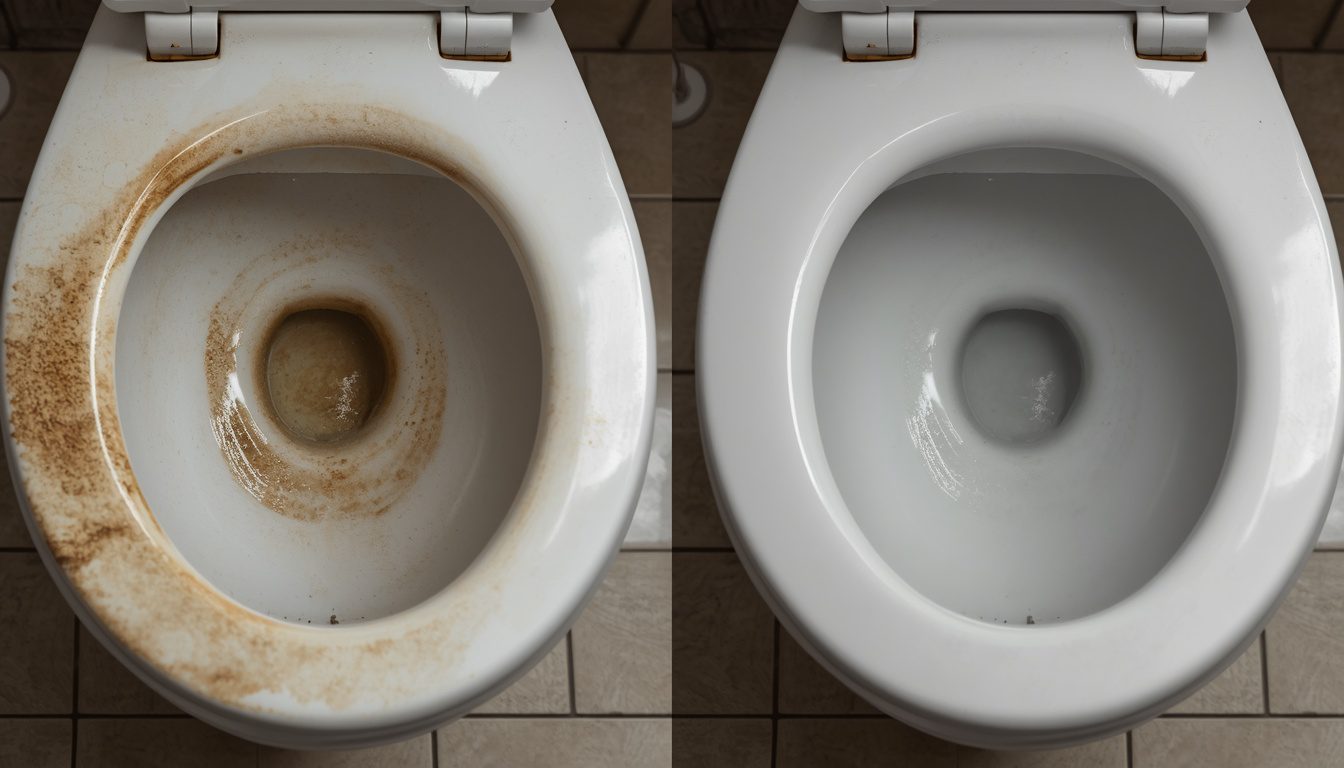
How to deep clean a toilet and get rid of water scale without chemicals is a question many homeowners ask when they want a sparkling bathroom without exposing their family, pets, or the environment to harsh cleaning products. Learning how to deep clean a toilet and get rid of water scale without chemicals, naturally remove toilet limescale, and safely eliminate stubborn mineral buildup can save money while keeping your bathroom healthier. The good news is that effective toilet restoration does not always require aggressive chemical cleaners. With the right techniques, simple household ingredients, patience, and proper maintenance, even heavily stained toilets can often be restored to a near-new appearance.
Many people assume that thick water scale deposits can only be removed using strong acids. In reality, understanding how mineral deposits form allows you to attack the problem at its source. Natural cleaning methods often work surprisingly well because they target the structure of the deposits rather than simply bleaching their appearance.
This guide explores every aspect of deep toilet cleaning, from understanding water scale formation to applying effective natural cleaning methods that deliver long-lasting results.
Understanding Water Scale and Why It Forms
Before beginning any cleaning process, it is important to understand exactly what water scale is and why it accumulates.
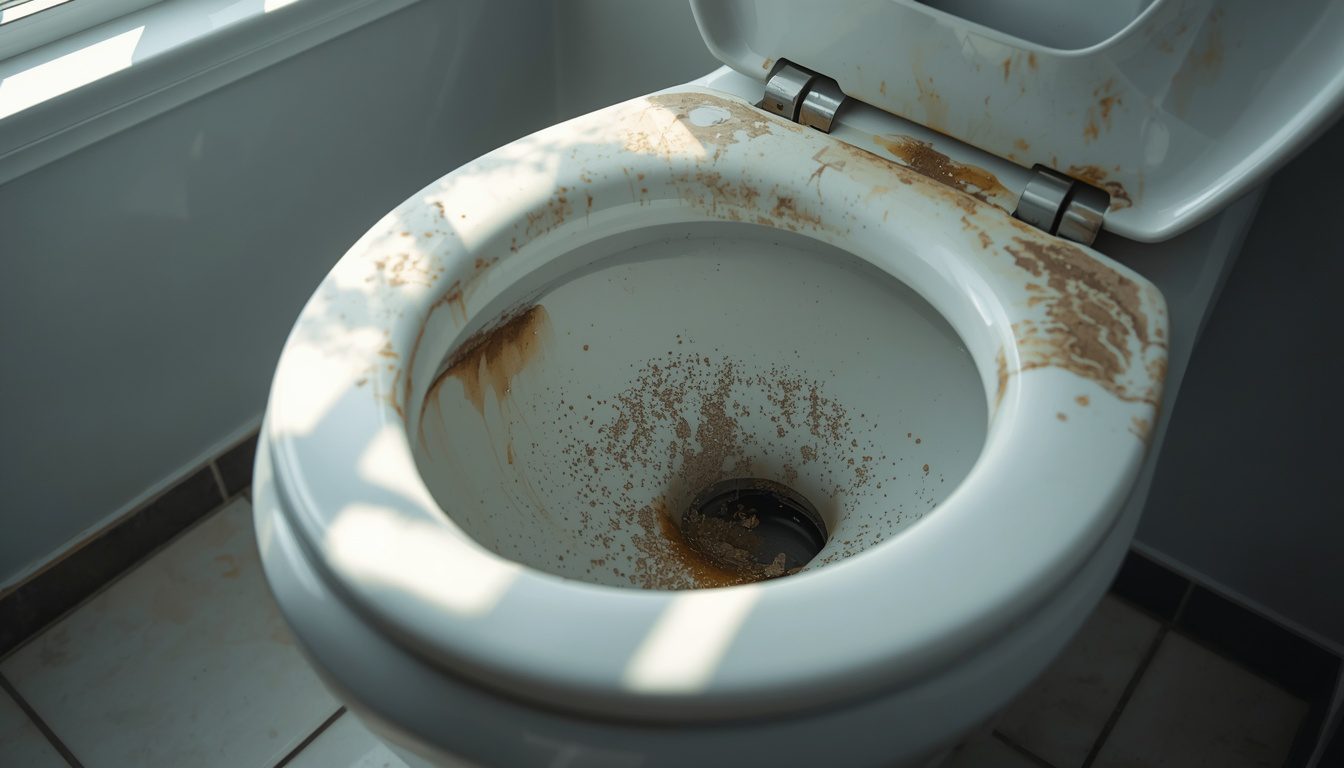
Water scale, often called limescale or mineral buildup, forms when water containing high concentrations of dissolved minerals evaporates. The most common minerals involved are calcium and magnesium. As water sits inside the toilet bowl, these minerals slowly remain behind and begin forming visible deposits.
Over time, these deposits harden into crusty layers. Areas below the water line are especially vulnerable because minerals continuously settle there. Toilets supplied by hard water systems often develop scale much faster than those supplied by softer water sources.
Several factors accelerate buildup:
- Hard water supply
- Infrequent cleaning
- Constant moisture exposure
- Poor ventilation
- Older plumbing systems
- Mineral-rich groundwater
Water scale does more than create an unattractive appearance. It can trap bacteria, cause odors, reduce flushing efficiency, and eventually damage toilet surfaces if neglected for years.
Understanding the cause helps create a more effective cleaning strategy and prevents future buildup.
Natural Toilet Descaling Methods That Actually Work
One of the biggest misconceptions about toilet cleaning is that stronger chemicals automatically produce better results. In many cases, gentle persistence works just as effectively.
Natural Toilet Descaling Methods for Heavy Build-Up
Natural descaling focuses on loosening mineral bonds gradually rather than dissolving them instantly.
Effective tools include:
- White vinegar
- Citric acid from lemons
- Baking soda
- Hot water
- Pumice stones
- Wooden scrapers
- Microfiber cloths
The process begins by reducing the water level in the toilet bowl. This exposes more of the mineral deposits, allowing cleaning agents to contact the affected areas directly.
Pour hot water into the bowl. Avoid boiling water because extreme temperatures may crack porcelain. Warm water helps soften deposits and improves cleaning effectiveness.
Allow natural descaling agents to remain on affected areas for extended periods. Time is often more important than strength when using natural cleaners.
Repeated applications gradually weaken hardened scale until it becomes easy to remove through gentle scrubbing.
Patience is often the secret ingredient in successful natural descaling.
Remove Hard Water Stains from Toilet Bowl Using Mechanical Cleaning
Remove Hard Water Stains from Toilet Bowl Safely
Many stubborn stains are actually mineral deposits mixed with trapped dirt and organic material.
Mechanical cleaning can be extremely effective without introducing chemicals into your bathroom.
The safest tools include:
- Toilet brushes
- Non-metal scrub pads
- Pumice stones designed for toilets
- Wooden cleaning sticks
- Nylon brushes
A wet pumice stone is particularly useful for severe buildup. When used correctly, it removes scale while minimizing risk to porcelain surfaces.
Always keep both the stone and the toilet surface wet during cleaning.
Use gentle pressure rather than aggressive scraping. The goal is to gradually wear away mineral deposits without scratching the finish.
Work in small sections. Focus on one area at a time and inspect progress frequently.
For especially thick deposits, alternate between soaking and scrubbing cycles. This approach minimizes effort while maximizing effectiveness.
Many homeowners are surprised by how much scale can be removed using nothing more than water and careful abrasion.
Eco-Friendly Toilet Cleaning Tips for Long-Term Results
Eco-Friendly Toilet Cleaning Tips Every Homeowner Should Know
Deep cleaning is only half the battle. Long-term success depends on preventing future buildup.
Small habits produce significant results over time.
Flush regularly, especially in guest bathrooms that are not frequently used. Standing water encourages mineral accumulation.
Keep bathroom humidity under control. Proper ventilation reduces moisture-related issues throughout the room.
Schedule routine maintenance cleanings instead of waiting until scale becomes visible.
Weekly brushing removes early deposits before they become difficult to eliminate.
Additional eco-friendly habits include:
- Using reusable cleaning cloths
- Conserving water responsibly
- Avoiding disposable cleaning products
- Choosing biodegradable cleaning materials
- Maintaining proper airflow
Consistent preventive care dramatically reduces the need for intensive deep cleaning sessions.
The cleaner your toilet remains throughout the year, the easier future maintenance becomes.
How to Clean Toilet Mineral Deposits Naturally Below the Water Line
How to Clean Toilet Mineral Deposits Naturally in Hidden Areas
The area below the water line presents unique challenges.
Mineral deposits often accumulate where they are hardest to reach and easiest to overlook.
Begin by shutting off the water supply valve behind the toilet.
Flush the toilet to empty most of the bowl.
Remove remaining water using a small cup or absorbent cloth.
With the water level reduced, hidden deposits become visible.
Apply natural cleaning agents directly onto affected surfaces.
Allow several hours of soaking time.
The extended contact period softens mineral accumulation and makes removal easier.
Use a brush or pumice stone afterward to loosen remaining deposits.
For severe cases, repeat the process several times over multiple days.
Although this method requires patience, it can restore areas that appear permanently stained.
Many toilet bowls reveal surprisingly bright porcelain underneath years of accumulated mineral buildup.
Best Homemade Toilet Cleaning Solutions for Deep Restoration
Best Homemade Toilet Cleaning Solutions for Stubborn Scale
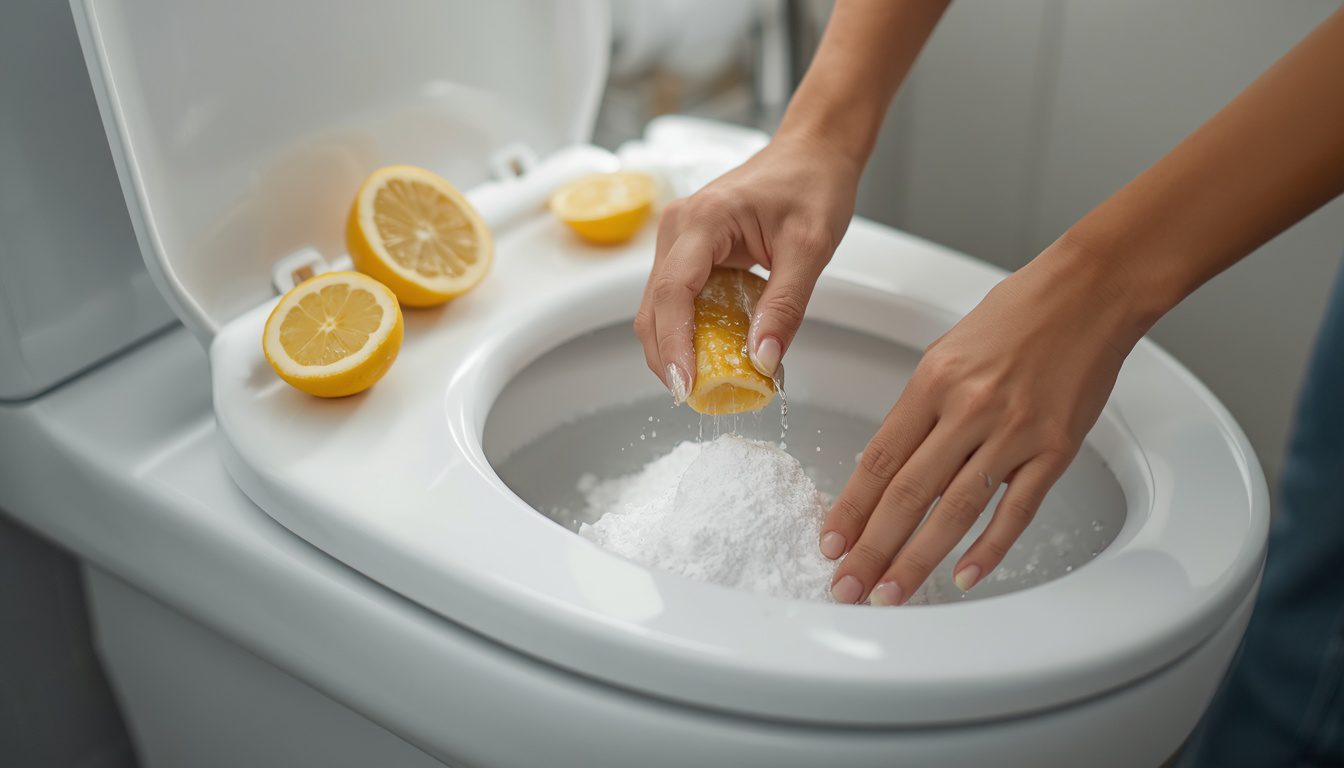
Homemade cleaners offer affordability, safety, and excellent performance when used properly.
One simple solution combines:
- 1 cup baking soda
- 2 cups white vinegar
- Warm water
Another powerful mixture uses:
- Lemon juice
- Baking soda paste
The acidic nature of lemon juice helps loosen mineral deposits naturally.
A thick paste can be applied directly to affected areas and left for several hours before scrubbing.
Some homeowners also use:
- Citric acid powder
- Salt and lemon mixtures
- Vinegar-soaked cloths
- Natural enzyme cleaners
The effectiveness of homemade solutions often depends more on contact time than ingredient complexity.
Allowing mixtures to sit overnight frequently produces the best results.
Repeated treatments gradually eliminate even stubborn scale deposits without exposing your home to harsh fumes.
Natural solutions are particularly valuable in households with children, pets, or individuals sensitive to strong chemical odors.
Deep Cleaning Toilet with Baking Soda and Vinegar Alternatives
Deep Cleaning Toilet with Baking Soda and Vinegar Alternatives
While baking soda and vinegar are popular, they are not the only options available.
Several alternatives can achieve impressive cleaning results.
Citric acid is among the most effective natural descalers.
Derived from citrus fruits, it helps break down calcium-based deposits efficiently.
Other alternatives include:
- Lemon juice
- Grapefruit juice
- Steam cleaning
- Hot water soaking
- Natural enzyme products
Steam cleaning deserves special attention.
High-temperature steam penetrates porous mineral deposits and loosens buildup without chemicals.
A handheld steam cleaner can reach difficult areas around the bowl, seat hinges, and exterior surfaces.
Natural enzyme cleaners work differently. Instead of dissolving minerals directly, they break down organic residues trapped within deposits.
Combining multiple natural approaches often produces the most impressive results.
For example, steam cleaning followed by gentle abrasion can remove buildup that neither method could eliminate alone.
Step-by-Step Deep Cleaning Process for Maximum Results
A systematic approach delivers the best outcome.
Step 1: Gather Supplies
Prepare:
- Gloves
- Toilet brush
- Pumice stone
- Baking soda
- Vinegar or lemon juice
- Microfiber cloths
- Bucket
- Warm water
Step 2: Empty the Bowl
Reduce water levels to expose deposits.
Step 3: Apply Natural Cleaner
Coat affected surfaces thoroughly.
Step 4: Wait
Allow several hours of soaking.
Step 5: Scrub Carefully
Focus on heavily scaled areas.
Step 6: Inspect
Identify remaining deposits.
Step 7: Repeat if Necessary
Heavy buildup may require multiple treatments.
Step 8: Final Polish
Wipe all exterior surfaces with a microfiber cloth.
Step 9: Restore Water Supply
Refill and flush several times.
Step 10: Create Maintenance Schedule
Regular care prevents future accumulation.
Common Mistakes That Make Water Scale Worse
Many people unintentionally increase mineral buildup.
Common mistakes include:
- Ignoring early stains
- Using metal tools
- Cleaning too aggressively
- Allowing standing water to remain for long periods
- Skipping regular maintenance
- Using incompatible cleaning products
Metal scrapers can permanently scratch porcelain.
Scratches create microscopic hiding places for minerals and bacteria.
Another mistake involves expecting instant results.
Natural cleaning methods often require more time but can be equally effective.
Consistency almost always beats brute force.
Avoid shortcuts that damage surfaces while pursuing temporary improvements.
Long-term preservation should remain the primary goal.
Preventing Future Water Scale Naturally
The easiest scale to remove is the scale that never forms.
Develop a preventive routine.
Brush the toilet weekly.
Inspect below the rim monthly.
Address small stains immediately.
Improve bathroom ventilation.
Monitor local water hardness.
If your area has particularly hard water, consider installing water treatment systems for the entire home.
Regular maintenance requires only minutes per week but can save hours of deep cleaning later.
Preventive habits protect porcelain surfaces and maintain a cleaner, fresher bathroom year-round.
Over time, these simple actions dramatically reduce mineral accumulation and extend the life of bathroom fixtures.
Final Thoughts
Deep cleaning a toilet and removing water scale without chemicals is entirely possible when you combine knowledge, patience, and consistent maintenance. Mineral deposits may appear intimidating, especially when they have accumulated for years, but natural methods often produce remarkable transformations. Understanding how scale forms allows you to target the root cause rather than merely treating symptoms.
The most successful approach combines soaking, gentle abrasion, natural acids, and routine maintenance. While chemical cleaners may promise instant results, natural techniques provide a safer and often more sustainable solution.
A sparkling toilet does not require harsh chemicals. It requires the right strategy.
How to Remove Limescale from a Shower Without Chemicals
Clean Your Refrigerator Properly
Clean Windows Quickly and Streak-Free
Summary
Learning how to deep clean a toilet and get rid of water scale without chemicals involves understanding mineral buildup, using natural descaling techniques, applying homemade cleaning solutions, and maintaining a regular cleaning schedule. Natural ingredients such as vinegar, lemon juice, citric acid, and baking soda can effectively loosen deposits, while tools like pumice stones and toilet brushes help remove stubborn buildup safely. Consistent preventive maintenance keeps toilets cleaner and reduces future scaling.
FAQ
1. Can water scale be removed without chemical cleaners?
Yes. Natural acids, mechanical cleaning, and repeated soaking can remove most mineral deposits effectively.
2. What causes toilet water scale?
Hard water containing calcium and magnesium minerals is the primary cause.
3. Is a pumice stone safe for toilets?
Yes, when used wet and gently on porcelain surfaces.
4. How often should I deep clean a toilet?
Every 2-3 months for most households, with weekly maintenance cleaning.
5. What natural ingredient works best against limescale?
Citric acid and vinegar are among the most effective natural descaling agents.
CTA
Ready to transform your bathroom naturally? Start applying these proven techniques today and discover how effective chemical-free toilet cleaning can be. A cleaner, healthier, and more environmentally friendly bathroom is easier to achieve than most people think.






