
 Befrey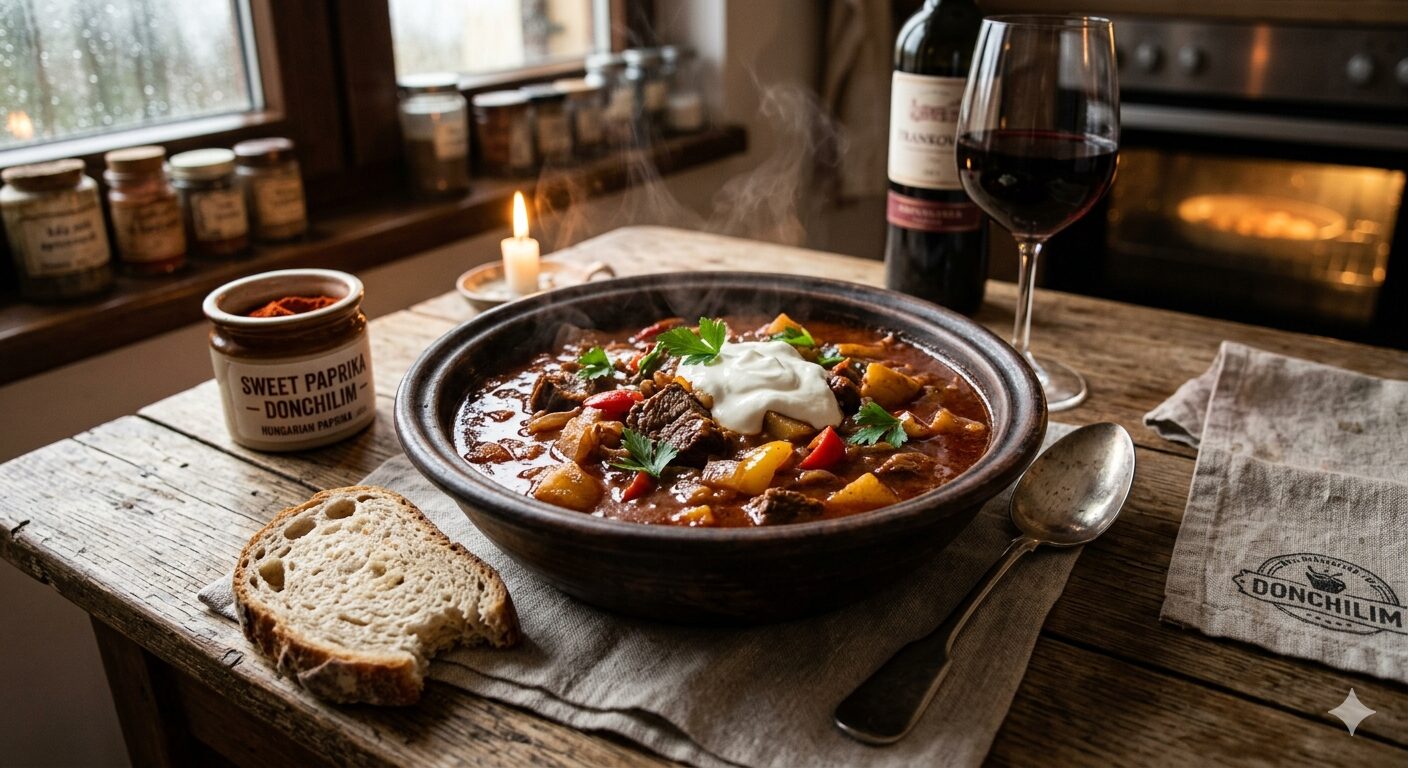
When the weather turns cold and the wind starts to howl, there is only one dish that can truly warm your soul from the inside out. It isn’t a fancy steak or a modern fusion pasta. It is the humble, slow-cooked, and deeply flavorful masterpiece we all know and love. Many have tried to replicate it, but today on Donchilim, we are going back to the roots. We are stripping away the modern shortcuts and focusing on the slow, patient method of the past.
Everyone remembers that specific aroma wafting from their grandmother’s kitchen on a Sunday morning. It’s a scent that promises warmth, family, and a belly full of happiness. In this exclusive guide, we are sharing a Traditional Grandma Style Goulash that honors those memories while giving you the technical tips to perfect it in a modern kitchen.
The Philosophy of a Perfect Stew
A great goulash isn’t just a soup, and it isn’t just a meat dish. It’s a delicate balance of fat, acid, and the deep, earthy sweetness of Hungarian paprika. The secret that most modern recipes miss is patience. You cannot rush a goulash. You cannot boil it into submission. You have to let the low heat work its magic on the connective tissues of the meat, turning tough cuts into butter-soft morsels.
Phase 1: The Foundation – Meat and Onions
If you want to achieve a Traditional Grandma Style Goulash, you must start with the correct ratio. My grandmother always said: “Weight of meat equals weight of onions.” This might seem like a lot of onions, but they are not there for crunch; they are there to melt away and create that thick, velvety gravy that defines a true stew.
Choosing the Meat
-
Beef Chuck (Shoulder): This is the gold standard. It has enough marbling and collagen to stay juicy during a long simmer.
-
Shin (Shank): If you can find it, use it. The marrow and extra collagen will give your sauce a “sticky” richness that is addictive.
-
Donchilim Tip: Cut your meat into uniform 3cm cubes. Too small and they disappear; too large and they won’t tenderize evenly.
The Onion Technique
Don’t just soften the onions. You need to sauté them slowly in lard (yes, lard!) until they are translucent and just beginning to turn golden. This creates the sugars that will eventually balance the heat of the paprika.
Phase 2: The Red Gold – Paprika and Spices
This is where most people fail. In a Traditional Grandma Style Goulash, the quality of your paprika is non-negotiable.
-
Sweet Hungarian Paprika: This provides the bulk of the color and the base flavor.
-
Smoked Paprika: A Donchilim addition for that “open fire” taste.
-
Caraway Seeds: These are essential for digestion and that authentic Central European aroma. Toast them slightly before crushing.
-
The “Off-Heat” Rule: Never add paprika to boiling liquid or scorching hot oil. It will burn and turn bitter. Always pull the pot off the heat, stir in the paprika, and then add a splash of water or broth immediately to “bloom” the spice safely.
Phase 3: The Slow Simmer
Once your meat is browned, your onions are melted, and your spices are bloomed, it’s time for the long wait.
-
The Liquid: Use a mix of beef stock and a splash of dry red wine. The acidity of the wine helps break down the meat fibers.
-
The Temperature: You want a “lazy bubble.” If it’s boiling hard, the meat will become tough and stringy.
-
The Time: Depending on the cut of meat, this will take between 2.5 to 4 hours. You know it’s done when you can crush a piece of meat against the side of the pot with a wooden spoon.
Phase 4: Adding the Texture
About 45 minutes before the end, we add the vegetables. In our Traditional Grandma Style Goulash, we use:
-
Potatoes: Use a waxy variety that holds its shape.
-
Bell Peppers: Yellow and red for a touch of sweetness.
-
Garlic: Added toward the end so the flavor stays sharp and fresh.
-
Tomato Paste: Just a tablespoon to deepen the color and add “Umami.”
How to Make Perfect Homemade Pasta, Step by Step
Phase 5: The Secret Finishing Touch
Grandma never served her goulash straight from the stove. She let it sit. Goulash is one of those rare dishes that tastes significantly better on the second day. The flavors settle, the sauce thickens naturally, and the meat absorbs the liquid.
The Donchilim Finish: Serve with a dollop of sour cream (optional but delicious) and a thick slice of fresh sourdough bread to mop up every single drop of that precious gravy.
Common Pitfalls to Avoid
-
Using Lean Meat: If you use lean steak, your goulash will be dry and sad. You need fat and connective tissue.
-
Using Flour to Thicken: If you use enough onions and let the potatoes break down slightly, you won’t need flour. A flour-thickened goulash loses its clarity of flavor.
-
Rushing the Heat: High heat is the enemy of tenderness.
Nutritional Value and Why It’s Good For You
While it’s a heavy meal, it’s packed with iron, protein, and vitamins from the peppers and onions. It’s a complete meal in one pot, designed to keep laborers and farmers going through harsh winters. It’s the ultimate fuel for the body and soul.
Conclusion: A Legacy on a Plate
When you follow this Traditional Grandma Style Goulash recipe, you aren’t just making dinner. You are recreating a piece of history. You are using techniques passed down through generations of home cooks who knew how to make something extraordinary out of simple, humble ingredients.
Watch the exclusive video at the top of this post to see the exact color of the onions and the perfect “jiggle” of the finished meat. This is more than a recipe—it’s an invitation to take your time and enjoy the process of slow cooking.
Put on your apron, pour a glass of wine, and let’s get that pot simmering. Your kitchen is about to smell like heaven.





