
 Befrey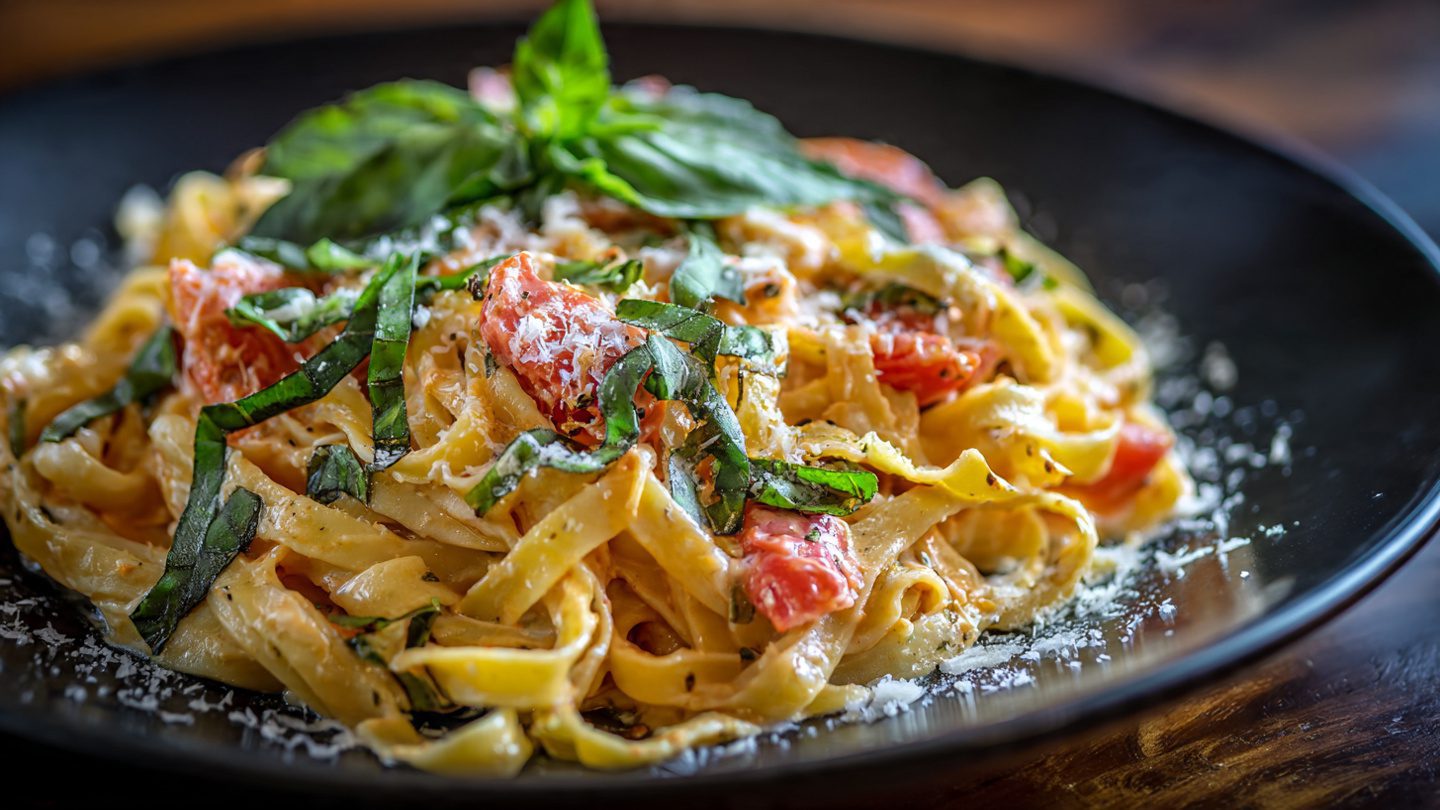
Few culinary skills rival the satisfaction of creating your own fresh pasta from scratch. Knowing How to Make Perfect Homemade Pasta, Step by Step allows you to control ingredients, texture, and flavor, transforming simple meals into extraordinary experiences. This guide will walk you through every detail—from selecting flour to kneading, rolling, shaping, and cooking—ensuring you achieve silky, tender pasta every time. We will also cover techniques for different pasta types, proper drying, storage, and pairing sauces. By mastering these steps, you can create restaurant-quality pasta at home while exploring traditional Italian culinary artistry. In this guide, we will not only explore How to Make Perfect Homemade Pasta, Step by Step, but also techniques for egg-based pasta, whole wheat variations, fresh pasta shapes, pasta dough hydration, pasta rolling methods, and achieving perfect al dente cooking.
Choosing the Right Flour for Perfect Pasta Dough
Selecting the correct flour is the foundation of any pasta recipe. For traditional Italian pasta, “00” flour is ideal due to its fine texture, resulting in silky, smooth dough. Semolina flour can be added for texture and a slightly nutty flavor. For a whole wheat or gluten-free option, use whole wheat flour or a blend with rice or chickpea flour, keeping in mind hydration adjustments. The ratio of flour to eggs or water determines dough consistency. Too much flour produces dense pasta; too little results in sticky, difficult-to-handle dough. Testing small batches and adjusting ratios gradually ensures consistent results. Understanding flour types and their protein content is essential for perfect homemade pasta.
Preparing Your Workspace and Ingredients
A clean, well-organized workspace is critical. Use a large, flat surface like a marble or wooden countertop. Gather all ingredients—flour, eggs, salt, and optional olive oil—before beginning. Eggs should be at room temperature for better mixing. Measuring ingredients accurately ensures proper dough hydration. Lightly flour the surface to prevent sticking, but avoid over-flouring, which can dry the pasta. Tools such as a bench scraper, rolling pin, pasta cutter, and pasta machine (optional) streamline the process. Preparation is the first step toward perfect homemade pasta.
How to Make Egg Pasta Dough
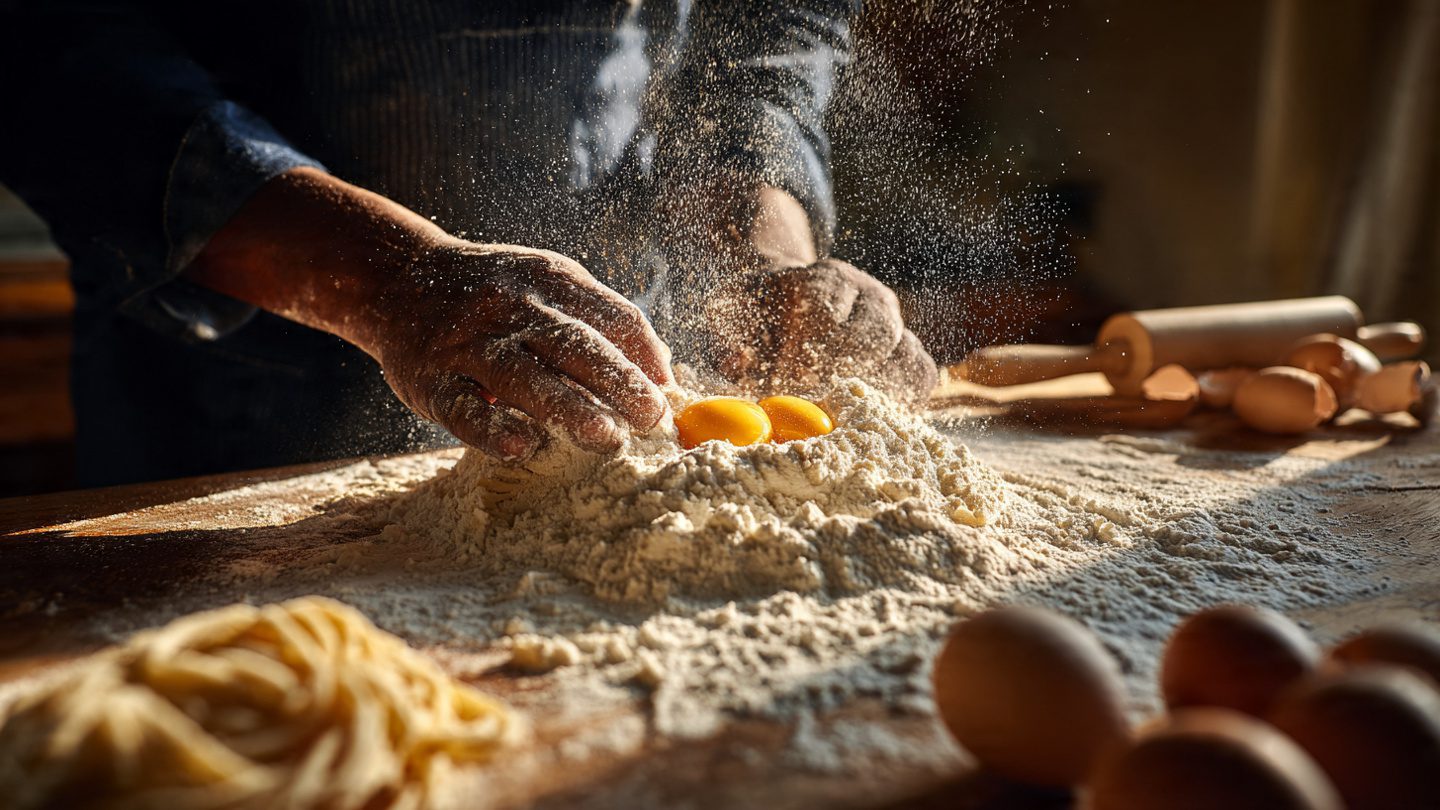
Egg pasta is the traditional Italian standard for fresh pasta. Begin by creating a mound of flour and forming a well in the center. Crack eggs into the well, add a pinch of salt, and optional olive oil. Use a fork to gradually incorporate flour into the eggs, moving from the center outward. Once the mixture thickens, knead by hand for 8–10 minutes until smooth, elastic, and slightly tacky. Proper kneading develops gluten, giving pasta structure and chewiness. Allow the dough to rest for at least 30 minutes, wrapped in plastic or a bowl, to relax gluten and ease rolling. Mastering egg dough is the foundation for How to Make Perfect Homemade Pasta, Step by Step.
Hydration and Consistency Tips for Pasta Dough
Hydration refers to the ratio of liquid to flour in your pasta dough. Egg-based doughs naturally provide moisture, but adjustments may be needed depending on flour type, humidity, and egg size. A slightly sticky dough kneads easier and results in tender pasta, while a dry dough can crack and resist rolling. Test consistency by stretching a small piece; it should bend without tearing. If needed, add drops of water or flour gradually to reach the ideal texture. Understanding dough hydration is a subtle yet essential step toward achieving perfect homemade pasta every time.
Rolling and Shaping Fresh Pasta
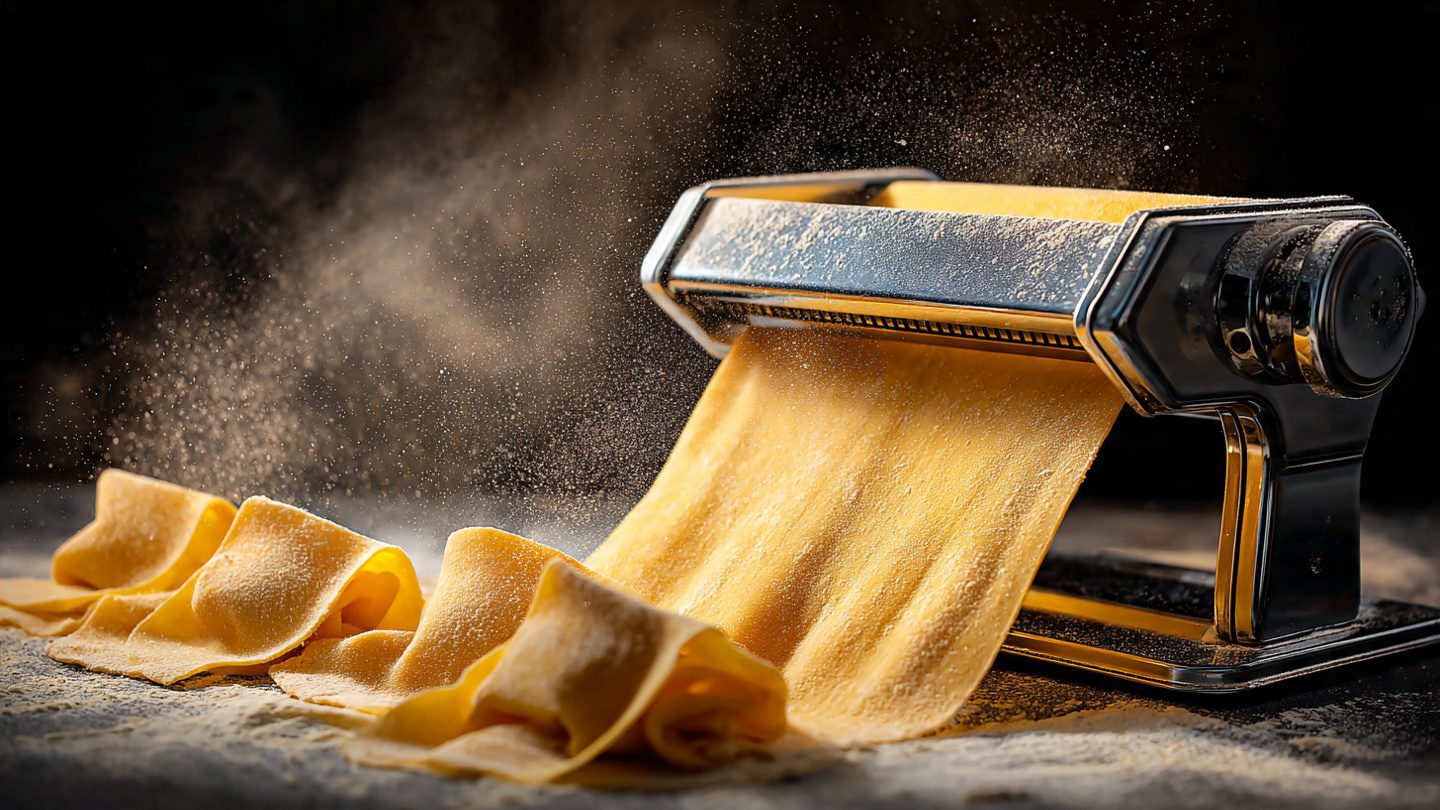
Once rested, the dough must be rolled thinly. Rolling can be done with a rolling pin or pasta machine. Divide dough into small portions to manage thickness evenly. For sheets, aim for about 1–2 mm thickness. Dust lightly with flour to prevent sticking. Cut sheets into classic shapes: tagliatelle, fettuccine, lasagna sheets, or farfalle. Specialty shapes like tortellini or ravioli require folding and sealing techniques. Rolling evenly ensures consistent cooking, while proper shaping affects sauce adhesion and presentation. Mastering rolling and shaping is critical to How to Make Perfect Homemade Pasta, Step by Step.
Tips for Making Different Pasta Shapes
Different pasta shapes serve different purposes. Long noodles like spaghetti or linguine work well with light sauces. Ribbon noodles like fettuccine pair with creamy sauces. Small shapes like orecchiette or cavatelli hold chunky sauces, while stuffed pasta like ravioli or tortellini requires precise folding and sealing. Uniform thickness is crucial for even cooking. Dust shapes lightly with semolina or flour to prevent sticking during drying or cooking. Exploring multiple shapes allows creative culinary presentation and enhances the dining experience with perfect homemade pasta.
Cooking Fresh Pasta to Al Dente Perfection
Fresh pasta cooks much faster than dried pasta—typically 2–4 minutes in boiling, salted water. Test by tasting small pieces; they should be firm yet tender. Avoid overcooking, which leads to mushy texture and diminished flavor. Fresh pasta absorbs sauces more effectively than dried pasta, creating richer dishes. Immediately drain pasta and toss with sauce or olive oil to prevent sticking. Cooking fresh pasta properly is the final step in achieving perfect homemade pasta, step by step, ensuring a restaurant-quality texture.
Storing and Freezing Homemade Pasta
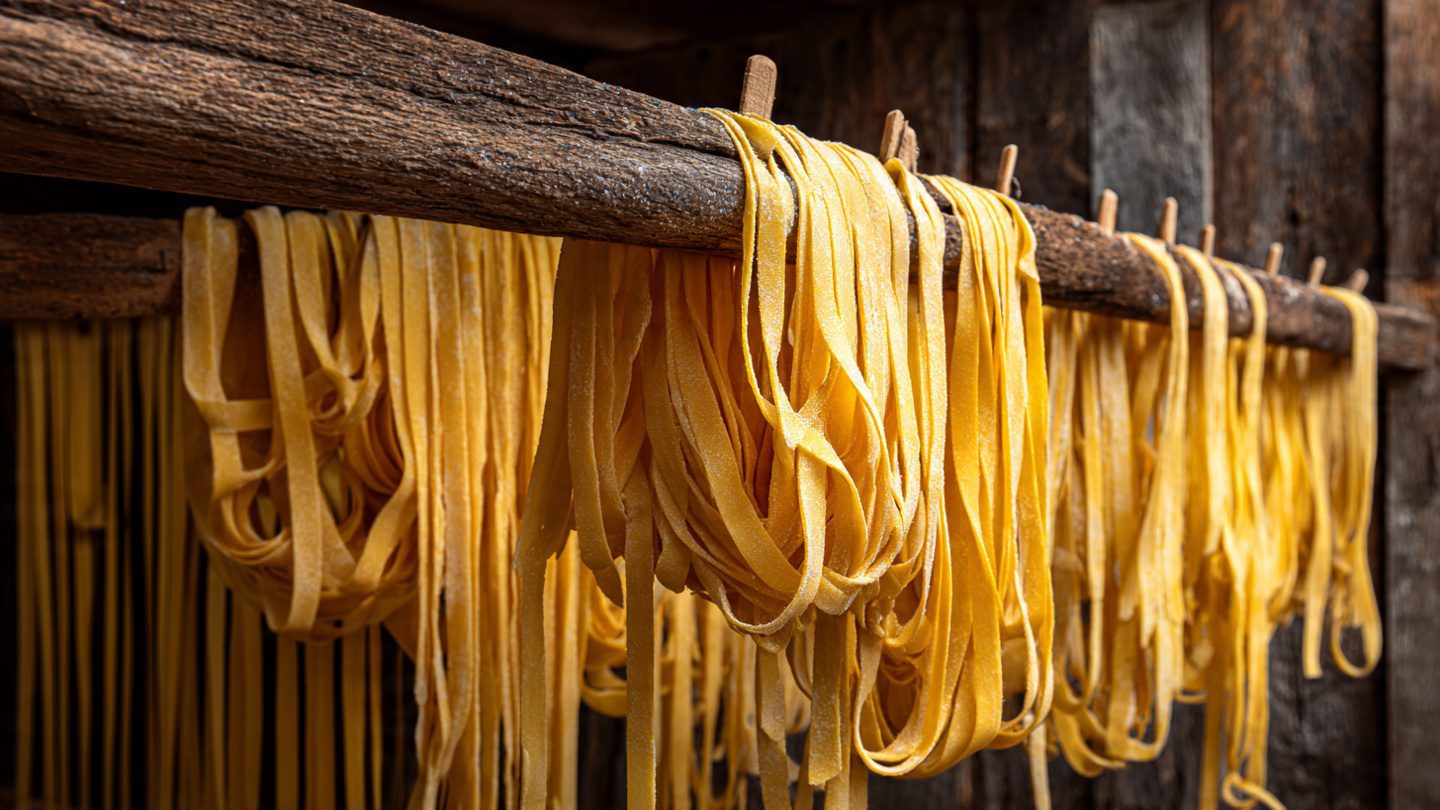
Fresh pasta can be stored for short-term use or frozen for future meals. To store, dust lightly with flour, cover, and refrigerate for up to 2 days. For freezing, arrange shapes on a tray without touching, freeze until solid, then transfer to airtight containers. Thaw frozen pasta before cooking, or boil directly from frozen, adding an extra minute to cooking time. Proper storage preserves texture and flavor, extending the life of your homemade pasta without compromising quality.
Pairing Sauces with Your Homemade Pasta
Sauces complement pasta and elevate its flavor. Light sauces like aglio e olio or olive oil with herbs work best with delicate noodles. Cream-based sauces pair with ribbon pasta to ensure coating. Tomato-based sauces suit long and shaped pasta for balanced flavor distribution. For stuffed pasta, light butter or cream sauces enhance fillings without overpowering them. Fresh herbs, cheese, and seasoning complete the dish. Understanding sauce pairing ensures your perfect homemade pasta delivers both taste and elegance.
Advanced Techniques: Pasta Enrichment and Flavoring
To add depth, you can enrich dough with herbs, spinach, or saffron. Spinach or tomato purees create colorful, flavorful noodles. Incorporating whole eggs or egg yolks increases richness and tenderness. Herbs and spices in dough provide subtle aromatic flavors that enhance the overall dish. Experimentation with these techniques adds sophistication to your homemade pasta, making your meals unique while maintaining traditional Italian quality.
The Best Healthy Breakfast Recipes for Busy People
10 Quick Dinners You Can Make in 30 Minutes
Summary
Creating homemade pasta is both an art and a science. How to Make Perfect Homemade Pasta, Step by Step involves understanding flour selection, dough preparation, hydration, rolling, shaping, cooking, and sauce pairing. Mastering these steps allows you to create fresh pasta with superior texture, flavor, and presentation. Whether making simple tagliatelle, stuffed ravioli, or specialty shapes, homemade pasta elevates everyday meals into memorable culinary experiences. With practice and attention to detail, anyone can achieve restaurant-quality pasta in their own kitchen.
FAQ
1. Can I make pasta without a pasta machine?
Yes, a rolling pin and knife work perfectly. Divide dough into manageable portions for even thickness.
2. How long does fresh pasta last?
Refrigerated fresh pasta lasts 1–2 days. Frozen pasta lasts up to 2 months.
3. Can I make whole wheat or gluten-free pasta?
Yes, adjust hydration for whole wheat flour. Gluten-free blends require slightly different handling.
4. How do I prevent pasta from sticking?
Dust with flour or semolina during rolling and shaping, and stir immediately after cooking.
5. What sauces pair best with homemade pasta?
Light sauces suit delicate noodles, creamy sauces pair with ribbon pasta, and chunky sauces enhance shaped pasta.
Call-to-Action
Bring authentic Italian flavor to your kitchen! Learn How to Make Perfect Homemade Pasta, Step by Step and elevate your meals with fresh, silky, and flavorful pasta. Start today and impress family and friends with your culinary skills!





