
 Befrey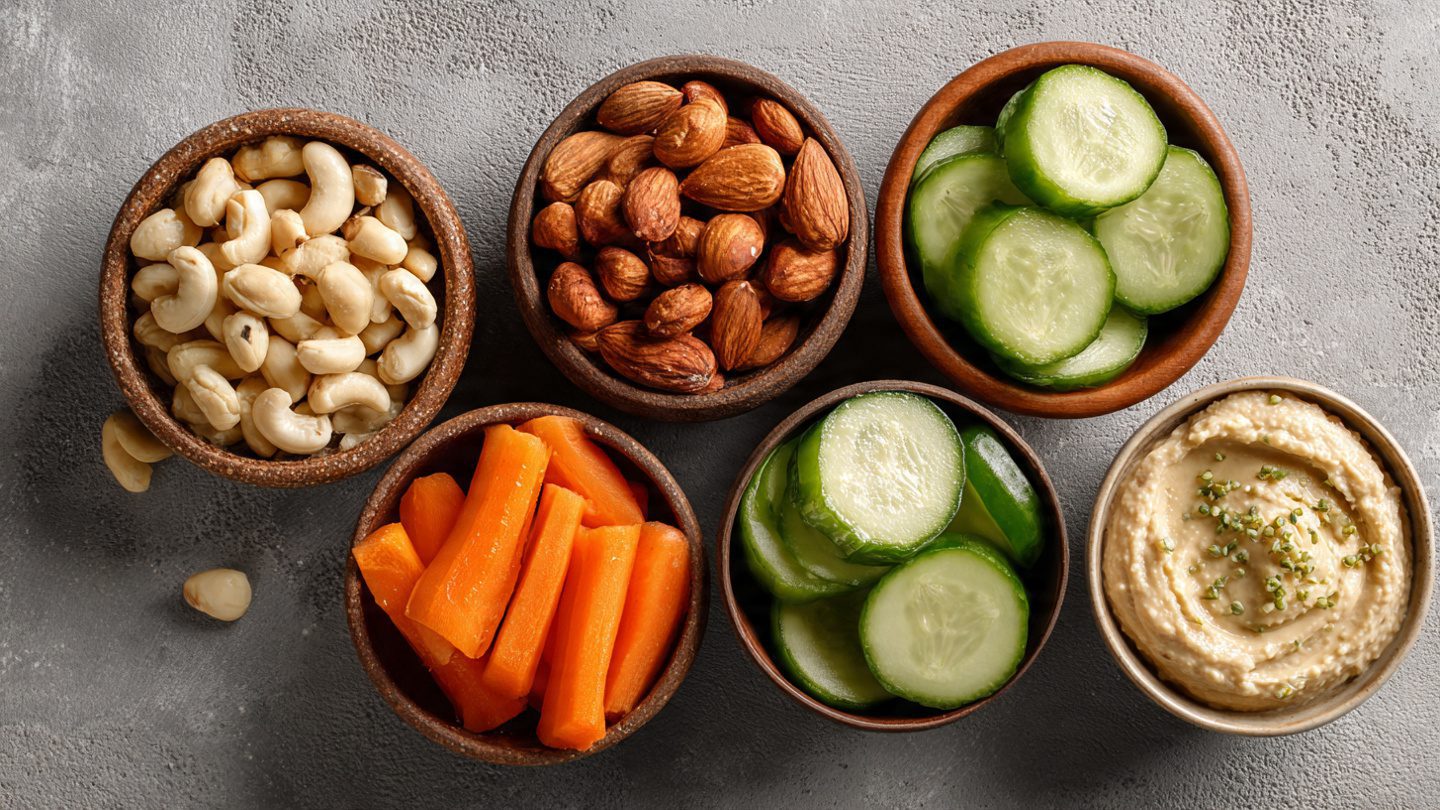
Managing diabetes requires careful attention to diet, and finding delicious meals that are both satisfying and low in sugar can be challenging. Low-Sugar Recipes for People with Diabetes are essential for maintaining stable blood sugar levels while still enjoying flavorful meals. This guide explores a variety of recipes—from breakfast to dinner and desserts—that minimize sugar content without compromising taste. By understanding ingredient substitutions, portion control, and flavor-enhancing techniques, people with diabetes can create meals that are both nutritious and enjoyable. In this article, we will cover low-sugar meal ideas, diabetic-friendly snacks, sugar-free baking techniques, naturally sweet ingredients, low-glycemic desserts, and balanced meal planning strategies to ensure sustainable and delicious eating habits. These approaches will empower anyone to eat healthfully, avoid blood sugar spikes, and maintain a diverse, enjoyable diet.
Breakfast Ideas for Low-Sugar Diets
Starting the day with the right breakfast can set the tone for blood sugar control. Low-sugar breakfast recipes for people with diabetes often include high-fiber ingredients, protein, and healthy fats. Examples include oatmeal with chia seeds and fresh berries, Greek yogurt with nuts and cinnamon, or scrambled eggs with sautéed vegetables. Using whole grains instead of refined grains slows glucose absorption. Flavor can be enhanced naturally with spices, extracts, or citrus zest. Combining protein and fiber helps to keep energy levels stable. Planning breakfast with low sugar in mind helps avoid early-morning blood sugar spikes and supports long-term diabetes management.
Low-Sugar Lunch Recipes That Keep You Full
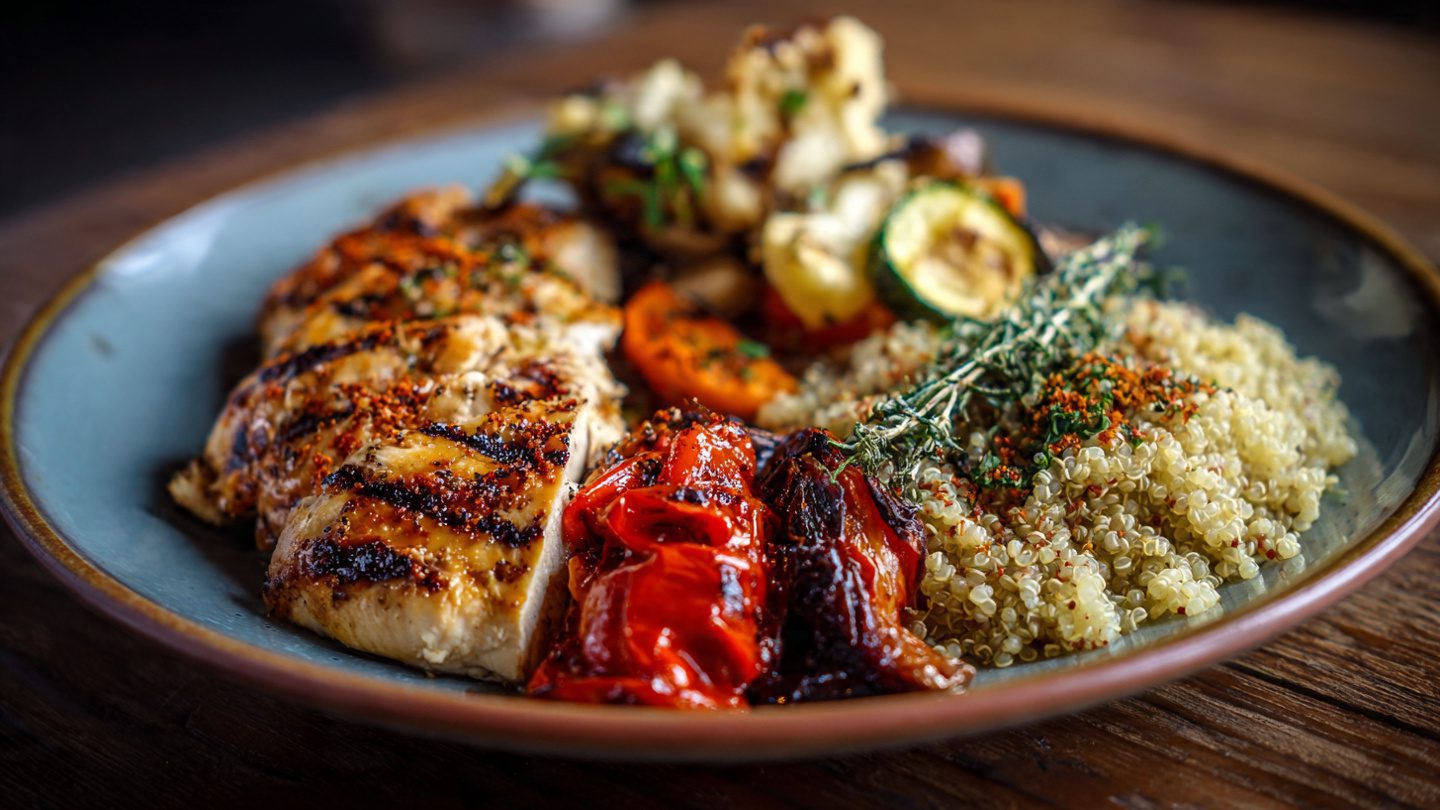
Midday meals should be filling, nutrient-dense, and low in sugar. Diabetic-friendly low-sugar lunch recipes include options like grilled chicken or tofu salads, quinoa bowls with vegetables, and lentil or bean soups. Focus on including lean proteins, complex carbohydrates, and fiber-rich vegetables. Dressings should avoid added sugars and instead rely on olive oil, vinegar, or lemon juice. Using fresh herbs adds flavor without impacting blood sugar. Meal prepping these recipes ensures you have easy access to healthy lunches throughout the week. Incorporating low-sugar ingredients at lunch helps sustain energy and maintain glucose stability.
Low-Sugar Dinner Recipes for People with Diabetes
Dinners should balance protein, fiber, and healthy fats while keeping sugar low. Low-sugar dinner recipes for people with diabetes might include baked salmon with roasted vegetables, stir-fried tofu with broccoli, or zucchini noodles with lean meat sauce. Using fresh herbs, spices, and garlic enhances flavor without relying on sugar or processed sauces. Substituting whole grains for refined grains ensures a lower glycemic impact. Portion control is critical, with emphasis on vegetables to increase volume without added sugar. Cooking methods such as steaming, grilling, or roasting preserve nutrients and flavor. Following these strategies makes dinner both satisfying and blood sugar-friendly.
Snacks and Small Meals That Are Low in Sugar
Healthy snacks are essential to prevent blood sugar dips between meals. Low-sugar snack recipes for diabetics include options like mixed nuts, veggie sticks with hummus, boiled eggs, or cheese cubes. Fruits can be consumed in moderation, particularly low-glycemic options such as berries, apples, or pears. Avoiding packaged snacks with hidden sugars is critical. Homemade energy bites using nuts, seeds, and sugar-free cocoa can satisfy cravings while remaining safe for diabetics. Pairing protein and fiber in snacks helps maintain satiety. Strategically planning snacks prevents overeating during main meals and supports consistent blood glucose levels.
Baking Techniques for Low-Sugar Desserts
Desserts can still be enjoyed with mindful ingredient choices. Low-sugar dessert recipes for people with diabetes often replace refined sugar with natural sweeteners like stevia, monk fruit, or erythritol. Flours can be swapped for almond, coconut, or oat flour to reduce carbohydrates. Techniques such as layering fruits with yogurt or making mousse from sugar-free chocolate can create indulgent treats. Baking at lower temperatures or chilling desserts can improve texture and flavor. Using flavor enhancers like vanilla extract, citrus zest, or cinnamon compensates for reduced sweetness. These strategies allow diabetics to enjoy dessert without compromising glucose control.
Naturally Sweet Ingredients That Lower Sugar Content
Incorporating naturally sweet ingredients can help satisfy cravings without spiking blood sugar. Diabetic-friendly ingredients for low-sugar recipes include berries, unsweetened applesauce, cinnamon, vanilla, and certain spices like nutmeg or cardamom. Vegetables like carrots, sweet potatoes, or beets can provide subtle sweetness in savory dishes. Using fruit purees or concentrated natural sweeteners reduces the need for refined sugar. Combining these ingredients with protein and fiber helps to maintain balanced glucose levels. Experimenting with natural sweetness transforms traditional recipes into diabetic-friendly options without sacrificing taste.
Low-Glycemic Index Foods for Blood Sugar Control
Focusing on low-glycemic index (GI) foods is crucial for diabetes management. Low-GI recipes for diabetics include lentils, chickpeas, quinoa, steel-cut oats, and non-starchy vegetables. These foods digest slowly, preventing rapid glucose spikes. Pairing low-GI foods with protein, healthy fats, and fiber enhances blood sugar stability. Even dessert recipes can be modified using low-GI ingredients to create safer indulgences. Understanding glycemic impact helps in planning meals and snacks that are both satisfying and safe for diabetics. Integrating these foods into every meal ensures better long-term glucose management.

Meal Planning Strategies for Low-Sugar Diets
Effective meal planning simplifies maintaining a low-sugar diet. Low-sugar meal planning for people with diabetes involves preparing balanced meals ahead of time, using fresh ingredients, and portioning snacks. Aim for a combination of protein, fiber, healthy fats, and low-GI carbohydrates in each meal. Keep a rotation of easy breakfast, lunch, dinner, and snack recipes to avoid decision fatigue. Labeling prepped meals and freezing portions ensures convenience. Planning also involves reading ingredient labels carefully to avoid hidden sugars. Consistent meal planning ensures adherence to a low-sugar diet and supports overall health.
Tips for Eating Out While Maintaining Low-Sugar Intake
Dining out can be challenging for people managing diabetes. Strategies for low-sugar dining include choosing grilled, roasted, or steamed dishes, requesting sauces on the side, and emphasizing vegetables and lean proteins. Avoid drinks with added sugar and select water, sparkling water, or unsweetened tea. When possible, substitute sides with salads or steamed vegetables instead of fries or white rice. Portion control remains important, as restaurants often serve larger-than-needed servings. Understanding menu terminology and asking questions empowers diabetics to enjoy meals out without compromising blood sugar. These strategies complement home cooking with low-sugar recipes for people with diabetes.
5 Easy No-Bake Desserts
How to Make Perfect Homemade Pasta, Step by Step
The Best Healthy Breakfast Recipes for Busy People
Summary
Low-Sugar Recipes for People with Diabetes allow individuals to enjoy flavorful, satisfying meals while controlling blood glucose levels. From breakfasts and lunches to dinners, snacks, and desserts, incorporating high-fiber ingredients, lean proteins, low-GI carbohydrates, and natural sweeteners creates balanced, nutritious meals. Meal planning, ingredient swaps, and creative cooking techniques further enhance variety and enjoyment. Whether preparing low-sugar desserts, diabetic-friendly lunches, or naturally sweet meals, these strategies empower people with diabetes to eat healthfully without sacrificing taste.
FAQ
1. Can diabetics eat dessert?
Yes, using low-sugar, natural sweeteners, and portion control, diabetics can enjoy desserts safely.
2. What are the best ingredients for low-sugar recipes?
Berries, nuts, seeds, whole grains, Greek yogurt, and spices like cinnamon and vanilla are excellent choices.
3. Can meal planning improve blood sugar control?
Absolutely, consistent meal planning reduces spikes, ensures balanced meals, and simplifies adherence to dietary goals.
4. Are natural sweeteners safe for people with diabetes?
Yes, stevia, monk fruit, and erythritol are safe alternatives that do not significantly raise blood glucose levels.
5. Can low-sugar recipes be frozen?
Yes, most low-sugar meals and desserts freeze well, making it easy to prepare in advance and store safely.
Call-to-Action
Take control of your diet and enjoy flavorful, safe meals with Low-Sugar Recipes for People with Diabetes. Start experimenting with breakfasts, dinners, snacks, and desserts today, and discover that eating healthfully can be delicious and satisfying.





