Befrey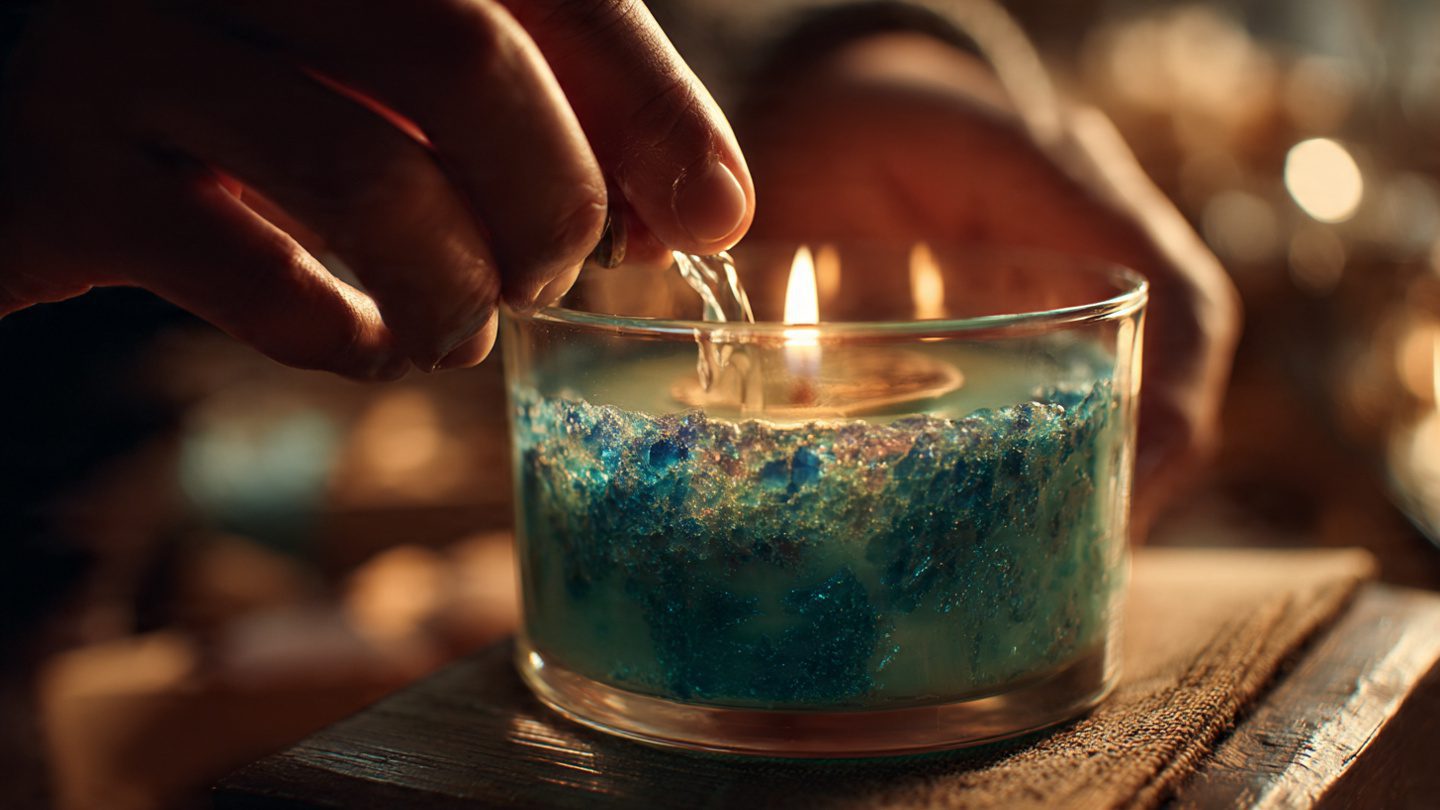
Creating your own candles is more than just a craft; it’s an art form that blends creativity, fragrance, and warmth. If you’ve ever wondered how to make your own candle at home – a simple process for beginners, this guide is your ultimate resource. Making candles at home allows you to customize scents, colors, and shapes while enjoying a satisfying hands-on experience. In this article, we’ll cover every step of the candle-making process, including materials, techniques, and safety tips. Whether you’re a complete beginner or a hobbyist seeking a more professional touch, this guide will help you understand the nuances of candle crafting. With patience, attention to detail, and the tips shared here, you can create beautiful, long-lasting candles right from your kitchen or studio.
Choosing the Right Wax for Beginners: Essential Tips
Selecting the correct wax is the foundation of successful candle making. There are several types of wax suitable for home projects, including soy, paraffin, beeswax, and palm wax. Soy wax is often recommended for beginners due to its ease of use, even burning, and ability to hold fragrance. Beeswax, while more expensive, provides a natural aroma and longer burn time. Paraffin wax is highly versatile and readily available but can release small amounts of toxins if overheated. Consider your candle’s intended purpose: decorative, aromatic, or practical lighting. Experimenting with different waxes will give you a feel for how each type melts, sets, and interacts with fragrances and dyes. Beginners should start with small batches to avoid wasting materials and to master the handling of wax safely.
How to Prepare Candle Molds and Containers
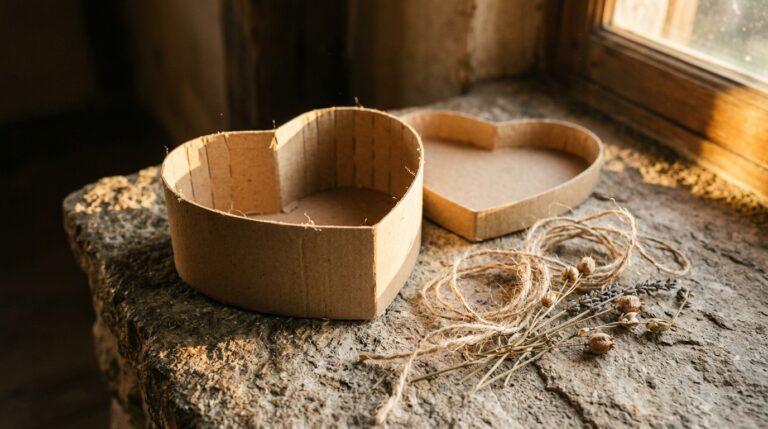
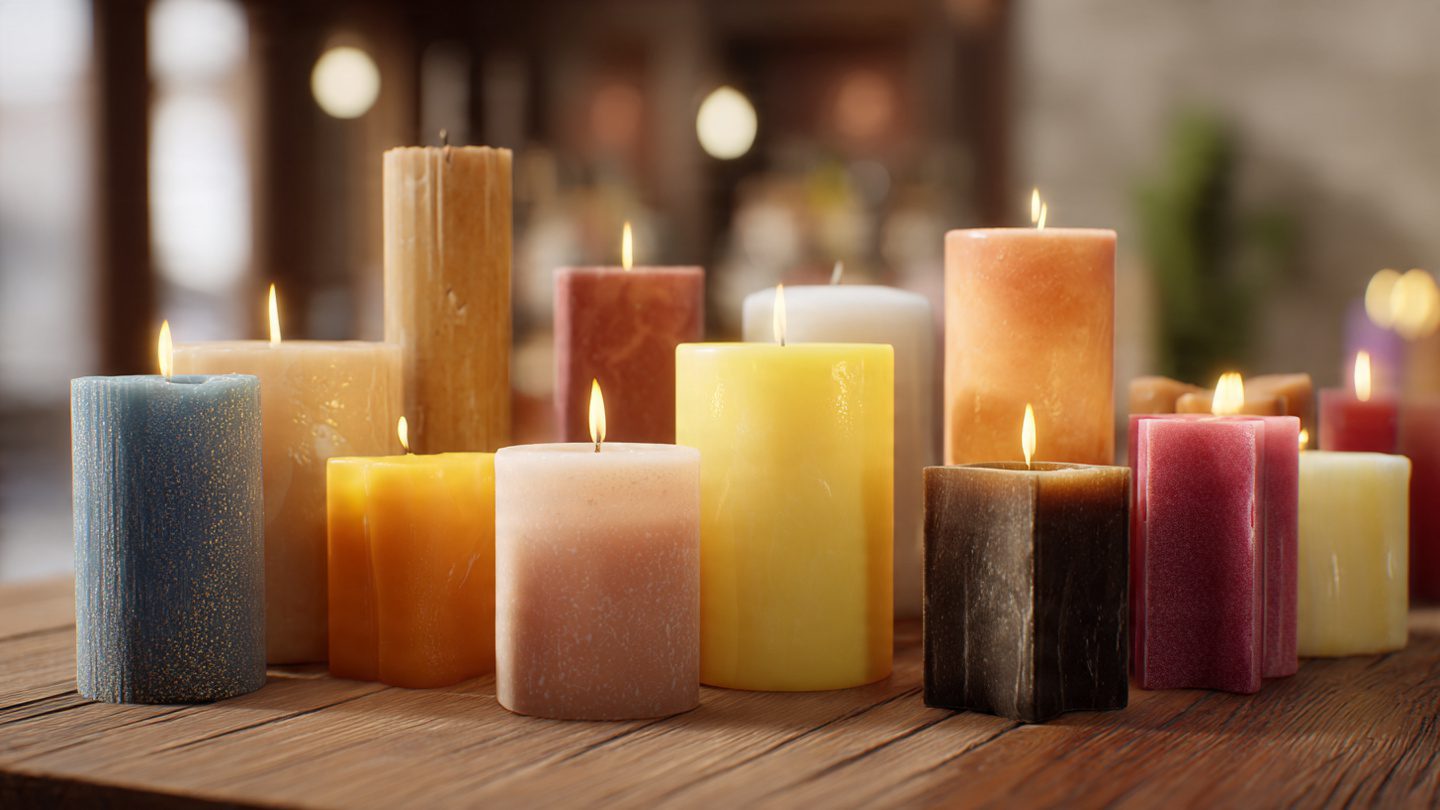
Proper preparation of molds and containers ensures a smooth, professional-looking candle. Choose heat-resistant glass jars, metal tins, or silicone molds. Clean your containers thoroughly to remove dust, grease, or residue. For molds, apply a thin layer of mold release spray or vegetable oil to ensure easy candle removal. Position the wick centrally using a wick holder, skewer, or tape to keep it straight while pouring wax. Different wick sizes affect burning; thicker candles require thicker wicks. Remember, the choice of container or mold directly impacts the candle’s cooling time and final appearance.
Selecting Fragrances and Essential Oils
Adding scents transforms a simple candle into a sensory experience. Essential oils, fragrance oils, or blends can be used depending on personal preference. Use oils specifically formulated for candle-making to prevent issues like uneven burning or poor scent throw. Introduce fragrance during the wax’s cooling phase (around 170°F or 77°C for soy wax) to maintain potency. Start with small amounts and gradually adjust to find your desired intensity. Popular beginner-friendly scents include lavender, vanilla, citrus, and cinnamon. Experimentation helps you understand how scents interact with wax and heat over time.
Coloring Your Candle: Dyes, Chips, and Natural Pigments
Candle color adds personality and enhances your creative vision. Beginners can use liquid dyes, color chips, or natural pigments like turmeric or beet powder. Dissolve dyes completely in melted wax to prevent streaks or clumps. For layered or marbled effects, pour different colored waxes sequentially, allowing each layer to cool slightly before adding the next. Avoid over-saturating wax with dye, as this can affect burn quality. Understanding color blending and cooling behaviors is key to producing professional-looking candles with vibrant, uniform colors.
Melting Wax Safely: Temperature Control and Techniques
Melting wax is the most critical step in candle-making. Always use a double boiler or a dedicated melting pot to prevent overheating. Monitor temperatures with a thermometer, as different waxes have different melting points (soy: ~120°F–180°F, beeswax: ~145°F–175°F). Avoid boiling wax, which can lead to fire hazards. Stir gently and consistently to achieve even melting. Add fragrance oils only when the wax reaches the optimal pouring temperature to maintain scent integrity. Patience is essential; rushing can cause bubbles, uneven surfaces, or poor adhesion to the container.
How to Make Your Own Candle at Home – Step-by-Step Instructions
Here’s a simple process for beginners to create their first candle:
- Prepare workspace – Lay down newspaper or parchment paper to catch drips. Have all materials ready.
- Measure wax – Calculate the amount of wax based on container size.
- Melt wax – Use double boiler method; monitor temperature closely.
- Add color and fragrance – Stir thoroughly after adding dyes and oils.
- Prepare wick – Secure wick in the container or mold.
- Pour wax – Pour slowly, leaving a small margin at the top.
- Cool and set – Allow candles to cool undisturbed; avoid drafts.
- Trim wick – Cut wick to ¼ inch before burning.
Following this structured approach ensures safety and consistent results. Practice will help you perfect pouring techniques and achieve a smooth, polished surface.
Advanced Techniques for Candle Decoration
Once you’re comfortable with basic candles, try decorative enhancements. Embedding dried flowers, glitter, or herbs creates a stunning visual effect. Layered candles can combine multiple colors and scents for a unique experience. Marbling is achieved by pouring contrasting waxes simultaneously and swirling them gently. Molded shapes, like stars, hearts, or geometric designs, can be achieved with silicone molds. Beginners may start with simpler additions before progressing to intricate designs to avoid frustration and material waste.
Troubleshooting Common Candle-Making Problems
Even experienced candle makers face challenges. Common issues include:
- Wick not centered – Secure the wick with clips or skewers before pouring.
- Cracked surface – Caused by rapid cooling; allow slow, even cooling.
- Uneven burn – Often due to improper wick size or wax type.
- Fragrance fading – Ensure oils are suitable for candle-making and added at correct temperature.
Documenting mistakes helps improve technique over time. Patience and attention to detail are crucial in mastering candle-making.

Storing and Preserving Homemade Candles
Proper storage preserves fragrance, appearance, and burn quality. Keep candles away from direct sunlight, heat sources, and moisture. Store in cool, dry areas to prevent softening or warping. Cover with lids or plastic wrap to protect scents from dissipating. Rotate stock if making multiple batches, ensuring older candles are used first. Correct storage maintains consistency, especially important if gifting or selling your creations.
Eco-Friendly and Sustainable Candle Practices
Sustainable candle-making is increasingly popular. Choose natural waxes like soy or beeswax. Opt for cotton or wood wicks instead of synthetic options. Reuse containers or molds to reduce waste. Use eco-friendly dyes and essential oils. Homemade candles reduce reliance on commercial products with artificial additives, creating a safer, environmentally conscious alternative. Adopting these practices ensures your craft aligns with sustainability principles.
Summary
Making candles at home is an enjoyable, creative, and practical hobby. By carefully selecting wax, wicks, containers, colors, and fragrances, you can create personalized candles with professional quality. Beginners benefit from step-by-step guidance, safety awareness, and patience. As skills advance, decorative techniques, troubleshooting, and sustainable practices enhance both the aesthetic and functional value of your candles. Home candle-making is not only rewarding but also opens doors for potential gifting, decoration, or small-scale business opportunities.
Frequently Asked Questions (FAQ)
- Can I use any type of wax for beginners?
Soy wax is recommended for beginners due to ease of use, even burning, and fragrance retention. - How long should I wait before burning a homemade candle?
Allow candles to fully cool and set for 12–24 hours to ensure optimal burn. - What’s the best wick size for containers?
Wick size depends on container diameter; a general rule is ¼ inch wick for small jars, thicker for larger. - Can I mix different scents in one candle?
Yes, but start with subtle blends. Too many oils may affect burn and fragrance release. - Is it safe to use essential oils in candles?
Yes, if formulated for candle use and added at the correct temperature.
Call-to-Action
Ready to start your candle-making journey? Gather your supplies, experiment with colors, scents, and molds, and create unique candles today! Share your creations with friends and explore the endless possibilities of home candle artistry. Subscribe to our newsletter for more DIY guides and expert tips.