Befrey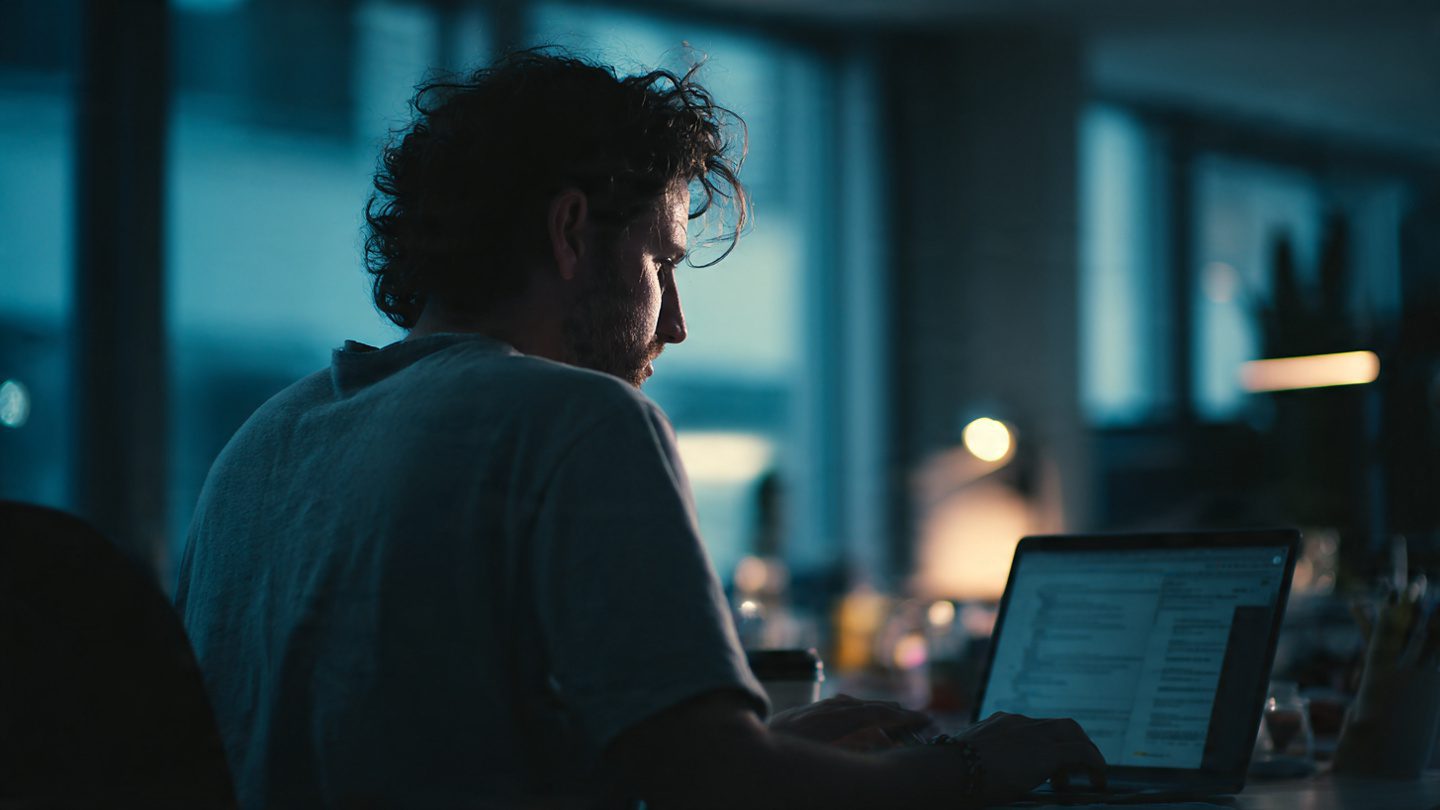
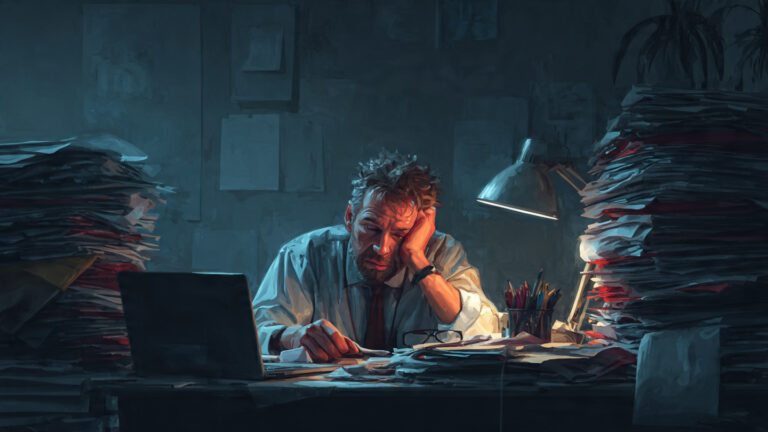
After a long workday, many people walk through the door feeling completely drained. If you have ever asked yourself how to cope with fatigue after work when I get home, you are not alone. Millions of professionals struggle with how to recover from work exhaustion, how to regain energy after a long workday, ways to relax after work stress, how to deal with mental fatigue after work, evening routines to restore energy, and healthy habits to recover from daily work fatigue.
Understanding how to cope with fatigue after work when I get home is not simply about resting. It is about learning how your body and mind recover from stress, effort, and mental overload. Many people unknowingly make evening choices that actually increase their exhaustion. They scroll endlessly on their phones, eat heavy meals, skip movement, or carry workplace stress into their home environment.
The truth is simple but powerful. Recovery is a skill. When you learn how to recover properly, your evenings become restorative instead of draining. Your energy returns faster. Your sleep improves. Your mental clarity increases. Over time, this recovery process dramatically improves your overall quality of life.
In this comprehensive guide, you will discover practical strategies, psychological insights, and daily habits that teach you how to cope with fatigue after work when I get home in a healthy and sustainable way.
Understanding Why You Feel Exhausted: How to Deal with Mental Fatigue After Work
Before learning how to cope with fatigue after work when I get home, it is important to understand why fatigue occurs in the first place. Many people assume that exhaustion only comes from physical work, but in reality, mental fatigue is often even more draining.
Your brain processes enormous amounts of information during the workday. Meetings, deadlines, problem-solving, communication, and decision-making all require cognitive energy. By the time you arrive home, your brain has already spent thousands of small bursts of mental effort.
Mental fatigue also comes from constant task-switching. Every time you shift between tasks, your brain must refocus and reorganize information. This creates cognitive load and gradually drains your mental energy.
Emotional stress at work also contributes to fatigue. Difficult coworkers, demanding managers, and high expectations can create constant psychological pressure.
Another major factor is decision fatigue. Throughout the day you make hundreds of decisions, both large and small. By evening, your mental resources become depleted.
Recognizing these sources of exhaustion helps you develop smarter recovery strategies. Instead of blaming yourself for feeling tired, you begin to understand how the brain and body naturally respond to daily work stress.
How to Recover from Work Exhaustion Immediately After Getting Home
One of the most important strategies for how to cope with fatigue after work when I get home begins during the first 30 minutes after arriving home. This short window has a powerful impact on how your entire evening unfolds.
Many people make the mistake of collapsing onto the couch and immediately reaching for their phone. While this may feel relaxing, passive screen consumption often worsens fatigue.
A better strategy is creating a short transition ritual. This ritual signals to your brain that the workday has ended and recovery has begun.
Start by physically changing environments. Take off work clothes, wash your face, or take a quick shower. These simple actions help your brain detach from work stress.
Next, spend a few minutes doing light movement. Stretching or walking around the house increases blood circulation and helps your body release accumulated tension.
Deep breathing can also accelerate recovery. Slow breathing activates the parasympathetic nervous system, which helps the body relax.
These small habits create a powerful reset. Instead of dragging your work exhaustion into the evening, you give your body permission to shift into recovery mode.
How to Regain Energy After a Long Workday Without Caffeine
Many people rely on caffeine to regain energy in the evening, but this often disrupts sleep and worsens fatigue the next day. Learning how to regain energy after a long workday naturally is a far more sustainable solution.
Hydration is one of the simplest and most overlooked energy boosters. Dehydration contributes significantly to fatigue and headaches. Drinking a glass of water when you get home can instantly improve alertness.
Nutrition also plays a crucial role. Your body needs proper fuel to recover from the day’s effort. Balanced meals containing protein, healthy fats, and complex carbohydrates help stabilize energy levels.
Another effective strategy is a short power nap. A 10–20 minute nap can restore mental energy without interfering with nighttime sleep.
Exposure to natural light can also improve energy. If possible, spend a few minutes outside after work. Sunlight helps regulate your circadian rhythm and supports healthy energy cycles.
Gentle physical activity such as walking or yoga also increases energy. While it may seem counterintuitive, movement often reduces fatigue rather than increasing it.
These methods allow your body to recover naturally without relying on stimulants.

Evening Routines to Restore Energy and Mental Balance
Developing evening routines to restore energy is one of the most powerful ways to manage post-work fatigue. Consistent routines create predictability for your brain, which reduces stress and promotes recovery.
Your evening routine should begin with a clear separation between work and personal time. Avoid checking emails or thinking about work tasks once you arrive home.
Next, incorporate relaxing activities that help your mind unwind. Reading, listening to music, or engaging in creative hobbies can reduce mental overload.
Mindfulness practices such as meditation or journaling are extremely effective for emotional recovery. Writing down thoughts helps your brain process the day and release lingering stress.
Technology boundaries are also important. Excessive screen time keeps your brain in a stimulated state and prevents true relaxation.
Your evening routine should also prepare your body for sleep. Dim lighting and calm activities signal to your brain that it is time to wind down.
Over time, these habits create a powerful recovery system that supports both mental and physical well-being.
Ways to Relax After Work Stress Without Wasting Your Evening
When searching for ways to relax after work stress, many people fall into the trap of passive relaxation. While watching television or scrolling social media may feel easy, these activities rarely provide deep recovery.
Active relaxation is far more effective. Activities that engage your mind or body in gentle ways can dramatically reduce stress.
One powerful option is creative expression. Drawing, writing, cooking, or playing music stimulates different areas of the brain and shifts your attention away from work-related thoughts.
Physical relaxation techniques also work well. Stretching, foam rolling, or taking a warm bath can release muscle tension accumulated during the day.
Spending time with family or friends also provides emotional recovery. Social interaction activates positive brain chemistry that reduces stress hormones.
Nature exposure is another underrated recovery tool. Even a short walk outside can significantly improve mood and energy levels.
True relaxation is not about escaping reality. It is about giving your mind and body the space they need to recover from daily stress.
Healthy Habits to Recover from Daily Work Fatigue
Building healthy habits to recover from daily work fatigue creates long-term resilience against burnout. Recovery should not be something you think about occasionally. It should be integrated into your daily lifestyle.
Sleep is the most powerful recovery tool available. Consistent sleep schedules help regulate your body’s internal clock and improve energy levels.
Nutrition also plays a major role. Balanced meals provide the nutrients your brain and muscles need to repair themselves.
Regular physical activity strengthens the body’s ability to handle stress. Exercise improves circulation, hormone balance, and mental clarity.
Stress management techniques such as meditation, breathing exercises, and mindfulness also build emotional resilience.
Another essential habit is setting boundaries. Work should not consume your entire life. Protecting personal time is necessary for long-term well-being.
By consistently practicing these habits, your body becomes better equipped to recover from daily work demands.
How to Deal with Mental Fatigue After Work Using Psychological Strategies
Mental exhaustion often lingers even after physical fatigue fades. Learning how to deal with mental fatigue after work requires psychological strategies that help your brain reset.
One powerful method is cognitive detachment. This means intentionally disconnecting from work-related thoughts once your workday ends.
You can practice this by creating a mental shutdown ritual. At the end of the workday, review completed tasks and write down what needs to be done tomorrow. This clears your mind and reduces rumination.
Another helpful strategy is mindfulness. Mindfulness trains your brain to focus on the present moment instead of replaying stressful work events.
Gratitude exercises can also improve emotional recovery. Reflecting on positive moments from your day shifts your mindset away from stress.
Limiting negative conversations about work is also important. Constantly complaining about work keeps your brain stuck in stress mode.
By actively guiding your thoughts, you create mental space for recovery and relaxation.

Designing a Lifestyle That Prevents Extreme Work Fatigue
The ultimate goal is not just learning how to cope with fatigue after work when I get home, but designing a lifestyle that reduces extreme fatigue altogether.
This begins with realistic expectations. Many people overload their schedules with tasks and responsibilities.
Time management plays an important role in preventing exhaustion. Prioritizing meaningful work and eliminating unnecessary tasks protects your energy.
Work-life boundaries are also critical. Constant availability to emails and messages prevents proper mental recovery.
Regular exercise strengthens your physical resilience. Stronger bodies recover faster from daily stress.
Purpose and meaning in work also influence fatigue levels. When your work aligns with your values, it often feels less draining.
Designing a balanced lifestyle ensures that your evenings become restorative instead of exhausting.
Summary
Learning how to cope with fatigue after work when I get home is essential for maintaining energy, productivity, and overall well-being. Work fatigue often comes from mental overload, emotional stress, and poor recovery habits. By understanding how to recover from work exhaustion, practicing ways to relax after work stress, and developing evening routines to restore energy, you can transform your evenings into powerful recovery periods.
Simple habits such as hydration, movement, mindfulness, and healthy boundaries allow your mind and body to recharge effectively. Over time, these strategies create resilience that protects you from burnout and chronic exhaustion.
How to Manage Stress at Work Every Day
How to Prepare for a Job Interview:Complete Step-by-Step Guide
How to Handle Conflicts with Colleagues at Work
FAQ
1. Why am I always exhausted after work?
Mental workload, stress, decision fatigue, and poor recovery habits can all contribute to post-work exhaustion.
2. What is the fastest way to recover from work fatigue?
Hydration, light movement, deep breathing, and a short mental break can quickly restore energy.
3. Should I nap after work?
Short naps of 10–20 minutes can help restore mental energy if they do not interfere with nighttime sleep.
4. Does exercise help with post-work fatigue?
Yes. Gentle exercise such as walking or stretching often increases energy rather than draining it.
5. How can I stop thinking about work at home?
Creating a mental shutdown ritual and practicing mindfulness helps disconnect from work thoughts.
Call To Action
If you constantly feel exhausted after work, start applying these recovery strategies today. Small changes in your evening routine can dramatically improve your energy, mood, and overall quality of life.