Befrey
Modern workplaces can be fast, demanding, and mentally exhausting. Learning How to manage stress at work every day is one of the most important life skills for maintaining productivity, emotional balance, and long-term health. Many professionals struggle with daily workplace stress management, reducing stress in a busy work environment, and finding practical stress relief techniques for employees that actually work. When stress becomes constant, it can lead to burnout, anxiety, poor decision-making, and reduced job satisfaction. Fortunately, science and psychology offer many strategies that help individuals build healthy work habits for stress control, prevent workplace burnout, and improve mental resilience at work. Understanding How to manage stress at work every day requires examining the causes of stress, learning how the brain responds to pressure, and applying simple daily habits that reduce tension and restore focus. When these strategies become routine, they transform stressful workdays into manageable, productive experiences. The goal is not to eliminate stress completely, because some stress can actually motivate performance. The goal is to control it, channel it, and prevent it from dominating your professional and personal life.
Understanding Daily Workplace Stress Management and Why Stress Happens at Work
To understand How to manage stress at work every day, it is necessary to first understand why workplace stress occurs in the first place. Stress is a natural biological reaction that prepares the body to respond to challenges or perceived threats. When a person faces deadlines, heavy workloads, or difficult colleagues, the brain releases hormones such as cortisol and adrenaline. These hormones increase alertness, heart rate, and focus, which can temporarily improve performance. However, when this response continues for long periods without recovery, it begins to damage both mental and physical health.
Daily workplace stress management starts with identifying the common triggers that appear in most professional environments. These triggers often include unrealistic deadlines, constant multitasking, job insecurity, lack of control over tasks, or poor communication within teams. Employees may also experience stress due to unclear expectations from management or a work culture that encourages overwork.
Psychological pressure can also come from internal factors. Many professionals set extremely high standards for themselves, striving for perfection and fearing mistakes. This perfectionism can amplify stress even when workloads are manageable.
Another major factor in workplace stress is the increasing digital workload. Emails, instant messages, project management tools, and constant notifications create an environment where the brain never fully disconnects from work tasks. This continuous mental engagement prevents proper recovery and increases fatigue.
Understanding these root causes is the first step in learning How to manage stress at work every day effectively. Once the sources of stress are recognized, individuals can begin applying practical strategies to control them.

Reducing Stress in a Busy Work Environment Through Smart Work Organization
One of the most effective strategies for reducing stress in a busy work environment is improving how tasks are organized and prioritized. Many people experience stress not because they have too much work, but because their work feels chaotic and overwhelming. A clear structure can dramatically reduce mental pressure.
Task prioritization helps professionals focus on what truly matters. Instead of reacting to every email or message immediately, employees should categorize tasks based on urgency and importance. The most critical tasks should be completed during peak focus hours, usually in the morning when energy levels are highest.
Breaking large projects into smaller steps is another powerful stress management technique. Large assignments often appear intimidating, which increases anxiety and procrastination. Dividing them into manageable stages allows the brain to experience progress more frequently, which reduces psychological pressure.
Another important strategy is limiting multitasking. Many people believe multitasking improves productivity, but research consistently shows the opposite. Constantly switching between tasks forces the brain to reset its focus repeatedly, which increases fatigue and stress.
Time blocking can also help reduce workplace stress. This method involves scheduling specific time periods for certain types of work, such as creative tasks, communication, or meetings. When the brain knows what to expect during each block of time, mental clarity improves.
These organizational techniques are essential components of How to manage stress at work every day, because they transform chaotic workloads into structured, manageable routines.
Practical Stress Relief Techniques for Employees During the Workday
While long-term strategies are important, employees also need immediate solutions for managing stress during a busy workday. Applying practical stress relief techniques for employees can quickly restore focus and calm the nervous system.
One of the simplest techniques is controlled breathing. Slow, deep breathing activates the parasympathetic nervous system, which signals the body to relax. A simple method involves inhaling slowly for four seconds, holding the breath briefly, and then exhaling for six seconds. This process can significantly reduce stress within minutes.
Short movement breaks are another effective tool. Sitting for long periods increases both physical tension and mental fatigue. Standing, stretching, or walking for a few minutes helps restore circulation and improves concentration.
Hydration also plays a surprisingly important role in stress control. Even mild dehydration can increase fatigue, headaches, and irritability. Drinking water regularly throughout the workday supports both physical and mental performance.
Another powerful technique involves mental reset moments. Looking away from screens and focusing on distant objects for a short period allows the brain to relax and reduces cognitive overload.
Even brief social interaction can reduce workplace stress. Talking with supportive colleagues provides emotional relief and reminds individuals that they are not facing challenges alone.
Incorporating these methods into daily routines strengthens the ability to practice How to manage stress at work every day in real time.
Healthy Work Habits for Stress Control and Long-Term Mental Balance
Developing healthy work habits for stress control is essential for preventing chronic stress and burnout. Habits shape daily behavior, and small positive routines can create significant long-term improvements in well-being.
One of the most important habits is establishing clear work boundaries. Many employees continue thinking about work long after their workday ends. Setting defined start and end times helps protect personal time and allows the brain to recover.
Another valuable habit is scheduling regular breaks. Continuous work without pauses reduces productivity and increases stress hormones. Short breaks every 60 to 90 minutes help maintain focus and mental clarity.
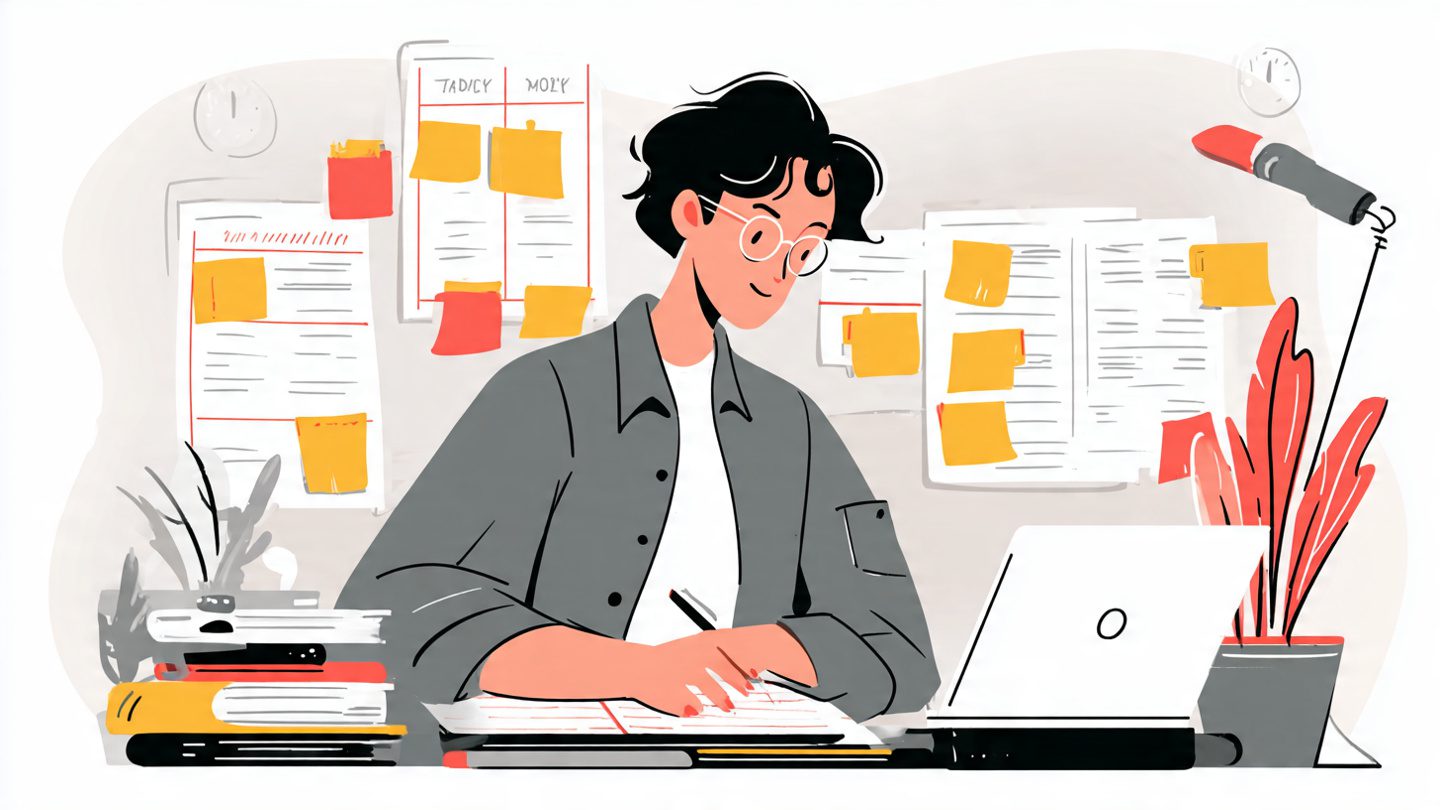
Workspace organization also influences stress levels. A cluttered desk often leads to a cluttered mind. Keeping a clean and organized workspace reduces distractions and promotes efficiency.
Nutrition is another critical factor. Balanced meals that include proteins, healthy fats, and complex carbohydrates provide steady energy throughout the day. Skipping meals or relying on sugary snacks can cause energy crashes that increase irritability and stress.
Sleep also plays a fundamental role in workplace performance. Poor sleep reduces emotional regulation and makes everyday challenges feel more overwhelming.
These habits collectively support the long-term practice of How to manage stress at work every day by strengthening both physical and mental resilience.
Prevent Workplace Burnout With Early Warning Signs and Prevention
Burnout is one of the most serious consequences of chronic workplace stress. Learning how to prevent workplace burnout is therefore an essential component of stress management.
Burnout develops gradually. Early signs often include emotional exhaustion, reduced motivation, and difficulty concentrating. Individuals may begin feeling detached from their work or experience constant fatigue even after rest.
Another warning sign is declining job satisfaction. Tasks that once felt meaningful may start feeling pointless or overwhelming. This emotional shift often indicates that stress levels have become unsustainable.
Preventing burnout requires both personal strategies and supportive workplace environments. Employees must recognize when workloads become excessive and communicate openly with supervisors about realistic expectations.
Taking regular vacations and mental health days also plays an important role in preventing burnout. Extended time away from work allows the brain to fully recover from prolonged stress.
Personal hobbies and interests outside of work are equally important. Activities such as sports, creative projects, or spending time with family help maintain emotional balance.
By addressing burnout early, professionals strengthen their ability to maintain How to manage stress at work every day over long careers.
Improve Mental Resilience at Work Through Emotional Intelligence
Another powerful strategy for How to manage stress at work every day involves developing mental resilience at work. Resilience is the ability to recover quickly from challenges and maintain emotional stability during pressure.
Emotional intelligence plays a key role in resilience. This skill involves recognizing one’s own emotions and understanding the emotions of others. Employees with strong emotional intelligence are better able to manage conflict, communicate clearly, and respond calmly to stressful situations.
Self-awareness is the first component of emotional intelligence. Recognizing stress signals such as tension, irritability, or mental fatigue allows individuals to respond before stress escalates.
Another important skill is emotional regulation. This involves learning how to pause before reacting emotionally to difficult situations. Instead of responding impulsively, resilient professionals take time to think and respond thoughtfully.
Empathy also contributes to resilience. Understanding colleagues’ perspectives helps reduce misunderstandings and workplace conflicts.
Building emotional intelligence strengthens interpersonal relationships and creates a more supportive work environment. This social stability significantly improves the ability to maintain How to manage stress at work every day.
Building a Stress-Resilient Workplace Culture
While individual strategies are important, organizational culture also plays a major role in stress management. A stress-resilient workplace culture encourages balance, communication, and employee well-being.
Leadership transparency is a key factor. When managers clearly communicate expectations and priorities, employees feel more secure and less anxious about their performance.
Encouraging regular feedback also reduces stress. Employees who feel heard and supported are more likely to remain engaged and motivated.
Flexible work arrangements can also help reduce stress. Options such as remote work, flexible schedules, or hybrid work models allow employees to balance professional responsibilities with personal needs.
Team collaboration is another important element. When teams support each other, workloads become more manageable and individuals feel less isolated.
Organizations that promote wellness programs, mental health resources, and stress management training often see improved productivity and reduced turnover.
A supportive environment reinforces the personal habits necessary for How to manage stress at work every day effectively.

Long-Term Lifestyle Strategies That Strengthen Stress Resistance
Finally, long-term lifestyle habits outside the workplace significantly influence stress management. Practicing How to manage stress at work every day becomes easier when individuals maintain strong physical and mental health.
Regular physical exercise is one of the most effective stress reduction tools available. Exercise releases endorphins, improves mood, and reduces cortisol levels.
Mindfulness and meditation practices also help train the brain to remain calm during challenging situations. Even five to ten minutes of mindfulness daily can significantly improve emotional control.
Maintaining strong social connections outside work is equally important. Supportive friendships and family relationships provide emotional grounding and perspective.
Continuous learning also contributes to stress resilience. Developing new skills improves confidence and helps professionals feel more prepared to handle complex tasks.
Finally, maintaining a positive mindset can dramatically influence stress levels. Viewing challenges as opportunities for growth rather than threats reduces psychological pressure.
These long-term strategies ensure that the ability to practice How to manage stress at work every day becomes a sustainable lifestyle rather than a temporary solution.
Summary
Learning How to manage stress at work every day requires understanding the causes of stress and applying practical strategies to control it. Workplace stress often results from heavy workloads, unclear expectations, and constant digital interruptions. Effective stress management includes task prioritization, healthy work habits, emotional resilience, and supportive workplace environments. Short daily practices such as breathing exercises, movement breaks, and structured work schedules can dramatically reduce tension. Long-term strategies such as exercise, sleep, and mindfulness strengthen resilience and prevent burnout. By combining these techniques, professionals can maintain productivity, mental clarity, and long-term well-being.
FAQ
1. What causes stress at work most often?
Common causes include heavy workloads, tight deadlines, lack of control over tasks, workplace conflict, and unclear expectations.
2. Can stress at work ever be beneficial?
Yes. Moderate stress can increase focus and motivation, but chronic stress becomes harmful if it continues without recovery.
3. How can I quickly calm down during a stressful workday?
Deep breathing, short walking breaks, hydration, and brief mental pauses can quickly reduce stress.
4. What are the early signs of burnout?
Emotional exhaustion, lack of motivation, constant fatigue, and decreased job satisfaction are common warning signs.
5. Is stress management a personal responsibility or a workplace responsibility?
Both. Individuals must develop healthy habits, while organizations should create supportive environments that reduce unnecessary pressure.
Call To Action
If you want to improve productivity and mental health, start practicing How to manage stress at work every day with small daily changes. Share this guide with colleagues who may also benefit from healthier workplace habits.