Befrey
In today’s fast-paced digital world, businesses face a critical challenge: how to balance automation vs human touch. Automation brings speed, efficiency, and scalability. The human touch ensures personalization, empathy, and trust. Striking the right balance is no longer optional—it is essential for customer satisfaction, brand loyalty, and long-term growth. Whether you’re a small business owner, a digital marketer, or part of a global enterprise, understanding the role of both automation and human interaction can determine your success.
Why Automation vs Human Touch Matters
The conversation around automation vs human touch is more relevant than ever. Companies increasingly use chatbots, AI tools, and automated workflows to streamline operations. At the same time, customers crave authentic human interaction. Too much automation can feel cold and impersonal. Too much reliance on manual work can be slow and inefficient. Businesses need a strategy that merges the best of both worlds.
The Rise of Automation in Business
Automation has transformed nearly every industry. From automated emails and AI-driven customer service to robotic process automation, the benefits are undeniable. Companies save time, reduce costs, and scale faster. Marketing automation tools allow businesses to nurture leads with minimal effort. Data analysis becomes more accurate with machine learning systems. Yet, automation alone is not enough.
Benefits of Automation
-
Improved efficiency and productivity
-
Reduced human error
-
24/7 availability for customer service
-
Cost savings in repetitive tasks
-
Faster response times
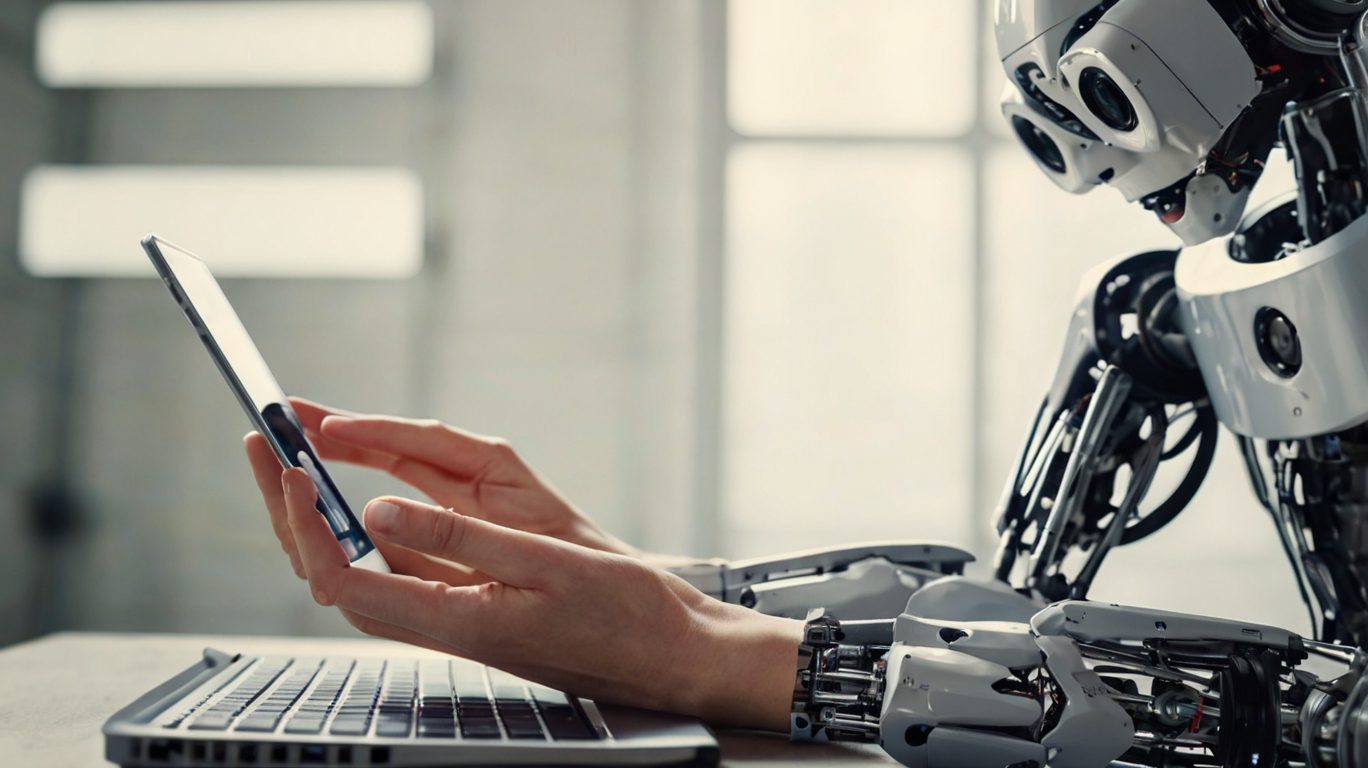
Automation can handle repetitive work, but it lacks emotional intelligence. Customers quickly notice when interactions feel robotic.
The Power of Human Touch
The human touch remains irreplaceable. A real person provides empathy, active listening, and creativity. In customer service, human agents can adapt to unique situations in ways automation cannot. In sales, building relationships depends on trust and emotional connection. Human judgment is also critical in decision-making, problem-solving, and strategic thinking.
Why Human Interaction is Essential
-
Builds emotional connections with customers
-
Increases trust and loyalty
-
Handles complex or sensitive issues better
-
Provides creativity and innovation
-
Strengthens brand identity
People want to feel valued. Automation alone cannot deliver that.
Striking the Balance: Automation vs Human Touch
The real secret lies in combining automation and human interaction. Businesses must identify tasks suited for automation and those that require human involvement.
Tasks Ideal for Automation
-
Data entry and processing
-
Routine customer queries (shipping updates, account info)
-
Appointment scheduling
-
Marketing campaigns and email sequences
-
Predictive analytics
Tasks Best for Humans
-
Customer complaints and escalations
-
Creative content creation
-
Strategic planning and negotiations
-
Emotional support and empathy in service
-
Brand storytelling
Finding this balance ensures businesses remain efficient without losing their personal touch.
Automation in Customer Service
Customer service is one of the most visible areas where automation vs human touch plays out. Chatbots, automated responses, and self-service tools reduce wait times. However, when customers face complex problems, they want a real human agent. Companies that use automation for FAQs and basic queries but keep humans available for escalations create the best customer experience.
Automation in Marketing
Marketing automation is a powerful tool. From email workflows to personalized ads, businesses reach more people with less effort. Yet, personalization is key. Automated campaigns that feel generic can damage trust. Human marketers must oversee campaigns, craft engaging stories, and inject creativity. Automation handles the mechanics. Humans handle the message.
Automation in Sales
Sales teams benefit from automated lead scoring, CRM updates, and follow-up reminders. This frees sales reps to focus on building relationships. A well-timed human call or personal email makes all the difference. Automation helps track customer behavior, while human agents close deals with empathy and persuasion.
The Future of Automation vs Human Touch
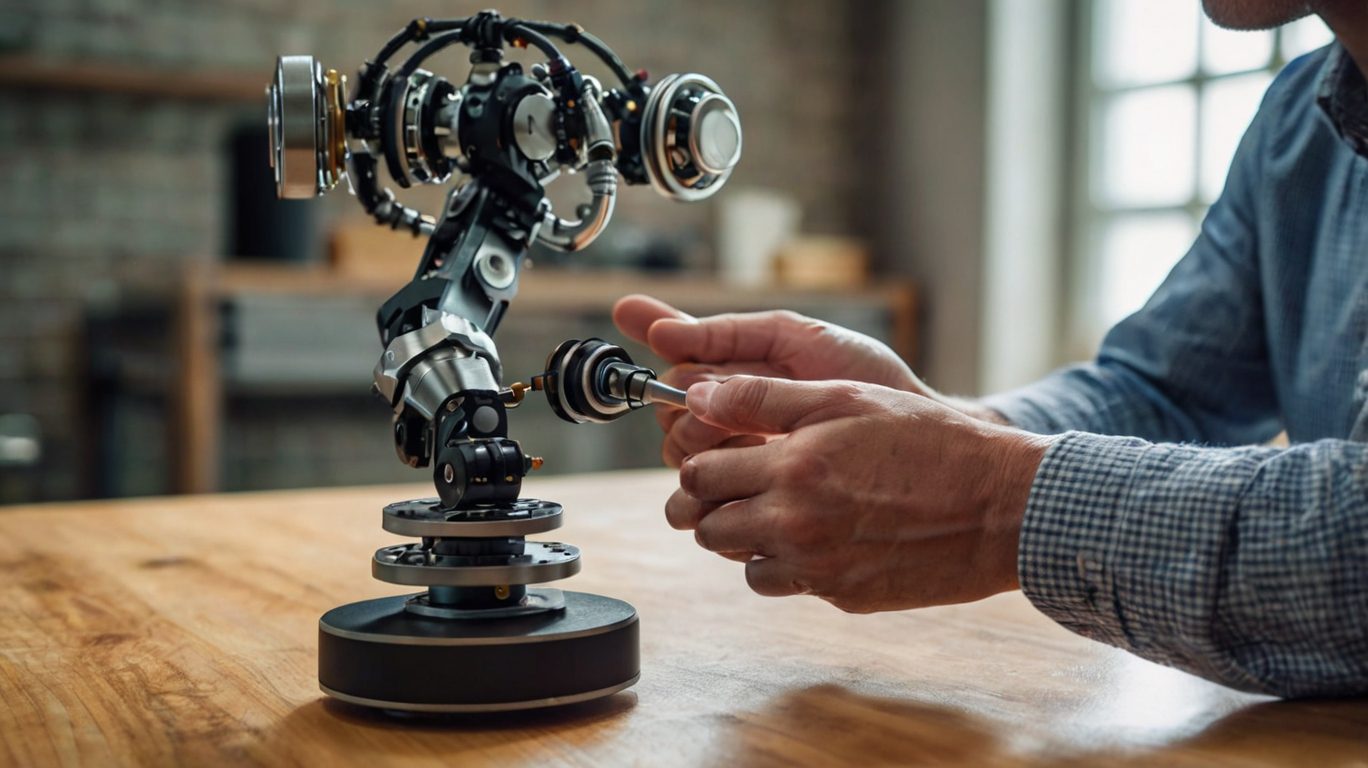
The future will bring even more sophisticated automation powered by artificial intelligence. But the human touch will remain central. Customers will expect seamless automation combined with authentic personal interaction. Companies that master this blend will lead the market.
How to Find the Right Balance
-
Audit Your Processes – Identify which tasks drain time and are repetitive. Automate them.
-
Enhance Human Roles – Free up staff to focus on high-value, human-centric tasks.
-
Train Your Team – Ensure employees know when to step in and provide personal care.
-
Use Feedback – Ask customers how they feel about automation in their experience.
-
Invest in Technology and People – The balance requires strong tools and skilled staff.
Key Takeaways on Automation vs Human Touch
-
Automation delivers speed and efficiency.
-
The human touch brings trust, empathy, and loyalty.
-
The best businesses combine both for maximum impact.
-
Customers expect seamless automation with a personal experience.
-
The balance is not fixed—it evolves with technology and customer needs.
Conclusion
Automation vs human touch is not a competition. It’s a partnership. The businesses that thrive will be those that use automation to handle efficiency while relying on the human touch to deliver personalization and emotional connection. Customers don’t just want fast service—they want meaningful service. Finding the right balance is the future of business success.