Befrey
If you’ve ever searched for a flight and noticed the price change within minutes, you’ve probably asked yourself: why do flight ticket prices change every hour? This question is at the core of modern travel frustration. Understanding why airfare fluctuates so frequently, why airline ticket prices update constantly, and why flight costs seem unpredictable can give you a powerful advantage as a traveler. These rapid price changes are not random. They are the result of advanced systems, real-time data analysis, and strategic pricing models designed to maximize airline profits while responding instantly to market conditions.
Understanding the Core of Airline Pricing Systems
Airline pricing is not static. It is one of the most complex pricing systems in any industry. Every ticket price you see is calculated by sophisticated software that evaluates hundreds of variables in real time. These systems are designed to react instantly to changes in demand, competition, and availability.
Airlines do not sell all seats at one fixed price. Instead, they divide seats into fare classes. Each class has its own price and availability. As cheaper fare classes sell out, the system automatically moves to higher-priced tiers. This creates the illusion of sudden price increases, even though it is simply a structured pricing ladder.
Another important factor is real-time data input. Airlines continuously monitor booking patterns. If many people are searching or booking a specific route, prices may increase immediately. Conversely, if demand drops, prices can decrease to stimulate sales.
The system also considers time before departure. As the departure date approaches, prices often rise due to urgency. However, if a flight is underbooked, prices may drop to fill seats.
Understanding this foundation helps explain why prices can change not just daily, but hourly or even minute by minute.
How airline dynamic pricing algorithms work in real time
Dynamic pricing algorithms are the brain behind airline ticket pricing. These systems analyze data continuously and adjust prices instantly based on market conditions.
The algorithm evaluates multiple inputs. These include current bookings, search volume, competitor pricing, seasonal trends, and historical data. Each factor is weighted differently depending on the route and time.
For example, if a sudden spike in searches occurs for a specific flight, the algorithm may interpret this as increased demand. It responds by raising prices to maximize revenue. This can happen within seconds.
The system also monitors competitor airlines. If a competitor lowers their price, the algorithm may adjust fares to remain competitive. This creates a constantly shifting pricing environment.
Machine learning plays a key role. Algorithms learn from past data to predict future demand. This allows airlines to optimize pricing strategies over time.
Because these systems operate continuously, prices can change every hour or even faster. There is no fixed schedule. Adjustments happen whenever the data signals a change.

What factors influence airline ticket price fluctuations
Several key factors drive the constant changes in flight prices. Understanding these variables helps you predict and react to price movements.
Demand is the most important factor. High demand leads to higher prices, while low demand results in discounts. This is basic economics applied in real time.
Seasonality also plays a major role. Holidays, school breaks, and peak travel seasons increase demand, pushing prices up. Off-season periods typically offer lower fares.
Route popularity matters as well. Flights between major cities with high traffic often have more stable pricing due to competition. Less popular routes can be more volatile.
Fuel costs influence pricing indirectly. When fuel prices rise, airlines may increase ticket prices to maintain profitability.
External events also impact pricing. Weather disruptions, political events, or global crises can cause sudden changes in demand and pricing.
All these factors interact simultaneously. This complexity is why prices change so frequently and unpredictably.
Do cookies affect flight prices when searching online
One of the most debated topics in travel is whether cookies influence flight prices. Many travelers believe that searching repeatedly increases prices due to tracking.
Cookies are small data files stored in your browser. They track your activity on websites, including flight searches. Airlines and booking platforms can use this data to analyze user behavior.
However, there is limited evidence that cookies directly increase prices for individual users. Most price changes are driven by overall demand, not personal browsing history.
That said, repeated searches can coincide with rising demand. If many users are searching the same route, prices may increase naturally. This creates the perception that cookies are responsible.
Using incognito mode can provide peace of mind. It prevents websites from tracking your search history. While it may not always change prices, it ensures a cleaner browsing experience.
Understanding the role of cookies helps separate myth from reality. The real driver of price changes is market demand, not individual tracking.
Why flight prices increase after searching multiple times
Many travelers notice that prices seem to rise after repeated searches. This can feel frustrating and unfair, but there are logical explanations.
The primary reason is increased demand. If you are searching a route multiple times, chances are others are doing the same. This signals higher interest, prompting price increases.
Another factor is seat availability. While you are searching, other users may be booking tickets. As cheaper seats sell out, the system moves to higher-priced fare classes.
Time also plays a role. Prices naturally change throughout the day. If you search at different times, you may see different prices due to ongoing updates.
Psychological perception is important too. People tend to remember price increases more than decreases. This creates the impression that prices always go up after searching.
While it may feel personal, the system is not targeting you individually. It is reacting to broader market activity in real time.
How supply and demand affects airline ticket prices
Supply and demand is the foundation of airline pricing. It is the simplest concept, yet the most powerful driver of price changes.
Supply is limited. Each flight has a fixed number of seats. Once those seats are sold, no more can be added. This scarcity increases value as availability decreases.
Demand varies constantly. It changes based on time, location, season, and external factors. High demand leads to higher prices, while low demand results in discounts.
Airlines aim to maximize revenue by balancing supply and demand. They adjust prices dynamically to ensure as many seats as possible are sold at the highest possible price.
Peak travel times create intense demand. This includes holidays, weekends, and major events. Prices rise quickly during these periods.
Off-peak times have lower demand. Airlines reduce prices to attract travelers. This is why flexible travelers can find better deals.
Understanding this principle helps you predict when prices are likely to rise or fall.
How airlines use data to adjust ticket prices instantly
Airlines rely heavily on data to make pricing decisions. This data-driven approach allows them to react instantly to changing conditions.
They collect data from multiple sources. This includes booking systems, search engines, competitor pricing, and historical trends. All this information feeds into pricing algorithms.
Real-time analytics enable immediate adjustments. If demand spikes suddenly, prices can increase within minutes. If demand drops, discounts may appear just as quickly.
Predictive modeling is another key component. Airlines use historical data to forecast future demand. This helps them set optimal prices in advance.
Customer segmentation also plays a role. Airlines analyze different types of travelers, such as business or leisure passengers, and adjust pricing strategies accordingly.
This constant flow of data ensures that pricing remains dynamic. It is the reason why flight ticket prices can change every hour without warning.
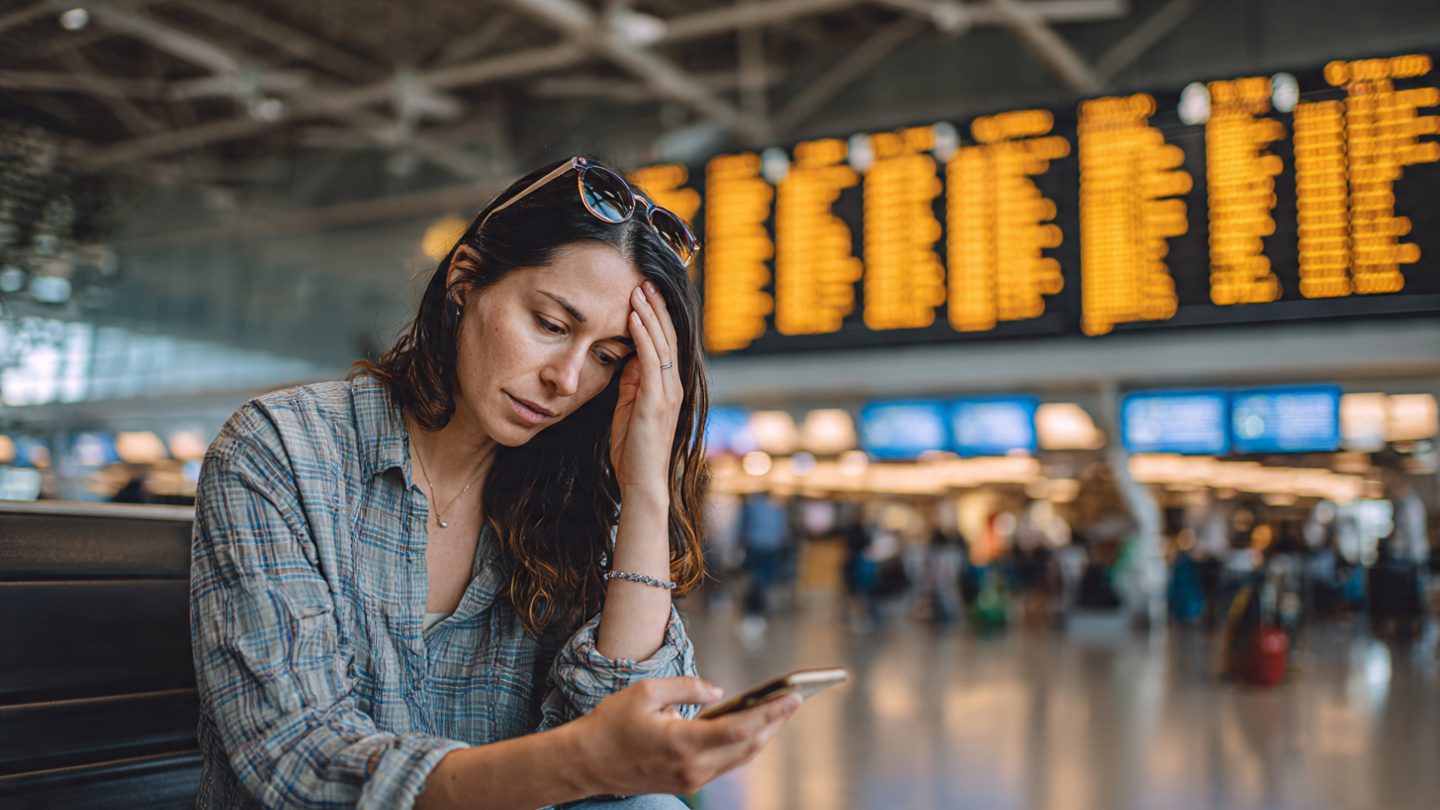
The Role of Competition in Price Changes
Competition between airlines significantly impacts pricing behavior. On routes with multiple carriers, prices tend to be more competitive and stable.
Airlines monitor each other constantly. If one airline lowers its price, others may follow to remain competitive. This creates a chain reaction of price adjustments.
Low-cost carriers often disrupt pricing. They introduce cheaper fares, forcing traditional airlines to adjust their prices.
On routes with limited competition, airlines have more control over pricing. This often leads to higher and more stable prices.
Price wars can occur on popular routes. Airlines compete aggressively, leading to frequent price changes.
Understanding competition helps explain why some routes have more volatile pricing than others.
Psychological Pricing and Consumer Behavior
Airlines also use psychological strategies to influence purchasing decisions. These tactics can affect how prices are perceived.
Prices are often set just below round numbers. For example, $199 instead of $200. This makes the price appear cheaper.
Urgency is another tactic. Messages like “only 2 seats left” encourage quick decisions. This can lead to higher prices as demand increases.
Limited-time offers create a sense of scarcity. Travelers may book quickly to avoid missing out, even if prices are not significantly lower.
Understanding these strategies helps you make more rational decisions. It reduces the likelihood of overpaying due to emotional reactions.
How to find the cheapest flights for your trip
When is the best time to buy airline tickets?
Summary
Flight ticket prices change every hour due to a combination of dynamic pricing algorithms, real-time data analysis, and market forces. Airlines continuously adjust prices based on demand, competition, and availability. Understanding these factors allows travelers to make smarter decisions and avoid overpaying.
FAQ
1. Why do flight prices change so quickly?
Because airlines use real-time algorithms that adjust prices based on demand and availability.
2. Do cookies really increase flight prices?
Not directly. Price changes are mostly driven by overall demand, not individual searches.
3. Can flight prices drop after increasing?
Yes, if demand decreases or airlines need to fill seats.
4. Is it better to book early or last minute?
Generally, booking within the optimal window is safer and cheaper.
5. Why do prices differ between websites?
Different platforms may have varying fees, commissions, or data sources.
CTA (Call-to-Action)
Stop guessing and start understanding flight pricing. Use these insights to book smarter, save money, and travel more. Share this guide and become the traveler who always finds the best deal!