
 Befrey
Anxiety can strike without warning. One moment you feel calm; the next, your heart races, your chest tightens, and your mind spins uncontrollably. Understanding what to do if you suddenly feel anxious is essential because immediate strategies can prevent panic, reduce stress, and restore control. Sudden anxiety is a physiological and psychological response triggered by real or perceived threats. The body releases adrenaline, causing the fight-or-flight response. While this response is natural, overreacting to anxiety can amplify discomfort and lead to spiraling thoughts. In this article, we will explore actionable techniques, cognitive strategies, and lifestyle practices to help you regain composure. By the end, you will know how to recognize early signs of anxiety, implement fast-acting calming methods, and build resilience for the future.
Understanding Sudden Anxiety and Its Triggers
Sudden anxiety can feel overwhelming because it often emerges unexpectedly. Recognizing sudden anxiety triggers is the first step toward managing it effectively. Triggers vary widely—from high-pressure situations at work or school to social interactions or unexpected news. Sometimes, the brain misinterprets neutral stimuli as threats, causing panic-like reactions. Physical factors, such as lack of sleep, caffeine, or blood sugar fluctuations, can also heighten susceptibility. Emotional stress accumulates over time, creating a lower threshold for sudden anxiety. Understanding these triggers allows you to anticipate anxiety moments and respond with intentional strategies rather than reactive panic.
Breathing Techniques to Calm Sudden Anxiety
One of the most immediate and effective strategies for managing sudden anxiety is controlled breathing techniques for instant relief. Anxiety often disrupts normal breathing, leading to rapid, shallow breaths. Deep breathing, diaphragmatic breathing, and box breathing help restore oxygen balance, reduce heart rate, and calm the nervous system. For example, inhale slowly for four counts, hold for four, exhale for four, and hold again for four—repeating this sequence can quickly reduce the intensity of panic. By focusing on your breath, you redirect attention away from spiraling thoughts, grounding your mind in the present. Practicing these techniques regularly enhances their effectiveness during sudden anxiety episodes.

Grounding Exercises to Regain Control
Grounding exercises are essential when you need to regain control during sudden anxiety. These methods anchor your awareness in the present, disrupting runaway thoughts. Popular techniques include the 5-4-3-2-1 method: identify five things you see, four things you feel, three things you hear, two things you smell, and one thing you taste. Sensory engagement redirects your brain from catastrophic thinking to tangible reality. Physical grounding—like pressing your feet against the floor or holding a cold object—also signals to your nervous system that you are safe. These exercises are simple, quick, and highly effective in reducing the perceived threat of sudden anxiety.
Cognitive Strategies to Challenge Anxiety
Cognitive strategies are vital in understanding how to manage anxious thoughts in the moment. Sudden anxiety often triggers cognitive distortions such as catastrophizing, black-and-white thinking, or overgeneralizing. By recognizing these patterns, you can challenge irrational thoughts and replace them with rational alternatives. For instance, if your mind jumps to “I’m going to fail,” counter it with “I can handle this situation step by step.” Visualization exercises—imagining a calm, safe environment or mentally rehearsing coping steps—can further reduce anxiety intensity. With consistent practice, cognitive strategies strengthen mental resilience and shorten anxiety episodes.
Physical Techniques to Reduce Anxiety Symptoms
Physical interventions are just as crucial as mental ones when addressing what to do if you suddenly feel anxious. The body responds to anxiety with tension, rapid heartbeat, sweating, or trembling. Simple physical techniques can interrupt this cycle. Light exercise, stretching, or shaking out tense muscles releases pent-up energy and lowers adrenaline levels. Progressive muscle relaxation involves tensing and releasing muscle groups sequentially, teaching your body to identify and release tension. Even a short walk outdoors or a few jumping jacks can reset your nervous system. Integrating physical strategies with mental exercises provides comprehensive relief from sudden anxiety.
Mindfulness Practices for Long-Term Anxiety Reduction
Mindfulness is an essential tool for preventing sudden anxiety from taking over. Mindfulness practices to manage sudden anxiety involve training your attention to remain present and nonjudgmental. Daily meditation, mindful walking, or focused observation exercises reduce rumination and strengthen emotional regulation. The key principle is observing anxious thoughts without identifying with them—seeing them as temporary mental events rather than threats. Long-term mindfulness practice reshapes neural pathways, making the mind less reactive to sudden triggers and more capable of remaining calm under pressure.
Lifestyle Adjustments to Prevent Sudden Anxiety
Lifestyle factors play a significant role in anxiety susceptibility. Lifestyle adjustments to reduce sudden anxiety episodes include regular exercise, balanced nutrition, sufficient sleep, and stress management. Caffeine and alcohol can exacerbate anxiety, while mindfulness, hobbies, and social support buffer stress. Adequate hydration and blood sugar stability prevent physical triggers of sudden anxiety. Routine and consistency in daily life reduce unpredictability, which often fuels anxious reactions. Making intentional lifestyle choices builds resilience, allowing your mind to handle sudden anxiety more effectively over time.
Recognizing When Anxiety Needs Professional Attention
While self-help strategies are effective, some cases require professional intervention. Knowing when to seek help for sudden anxiety is crucial for safety and long-term mental health. Warning signs include persistent anxiety that disrupts daily life, frequent panic attacks, or co-occurring depression or substance abuse. Mental health professionals can offer therapies like Cognitive Behavioral Therapy (CBT), exposure therapy, or medication when appropriate. Seeking support is not a sign of weakness but a proactive approach to managing sudden anxiety before it becomes chronic. Early intervention can prevent further complications and improve overall quality of life.
Technology and Tools to Support Anxiety Management
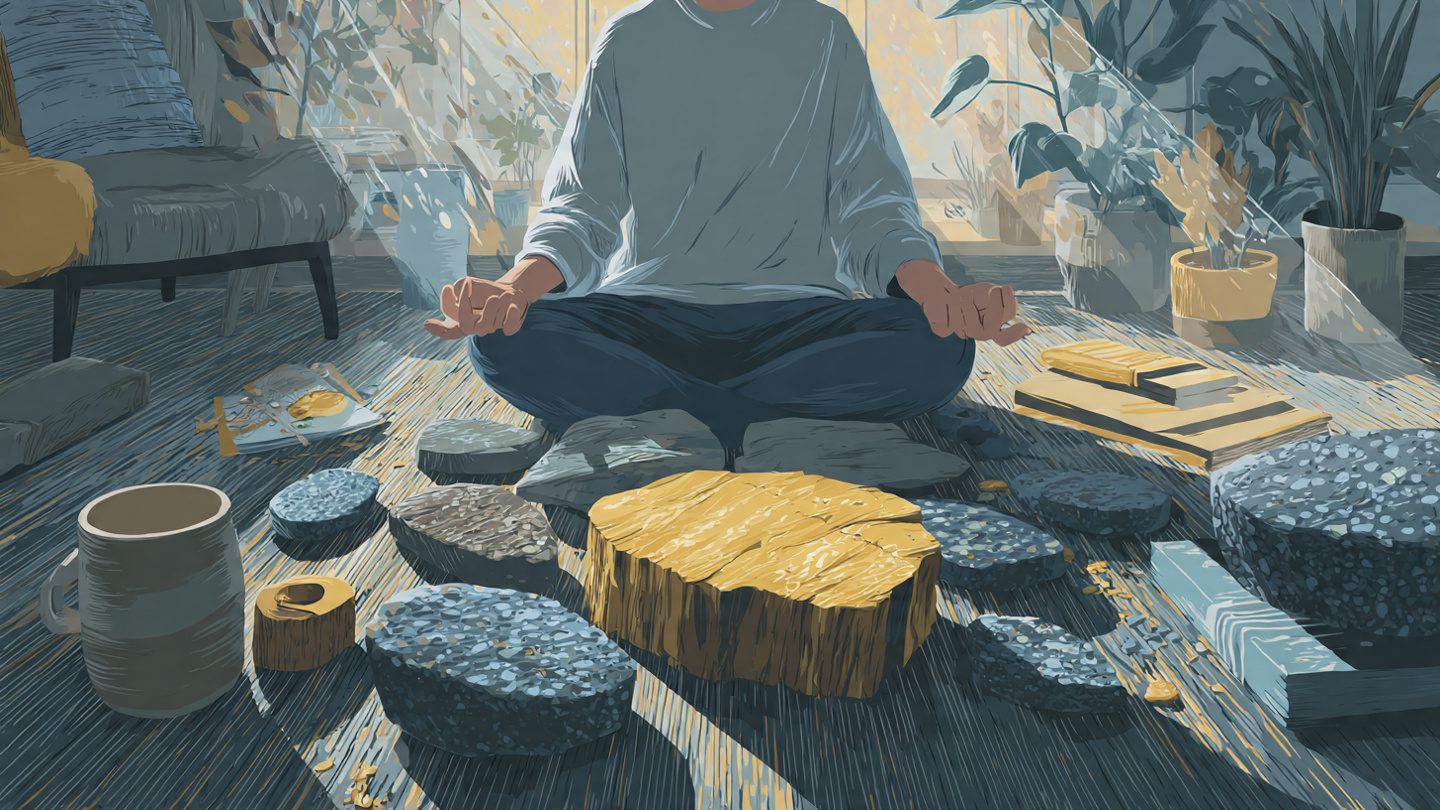
Modern technology offers practical support for sudden anxiety. Apps and tools to manage sudden anxiety provide guided breathing, meditation, journaling prompts, and real-time tracking of symptoms. Biofeedback devices monitor heart rate variability, alerting you to rising anxiety and prompting immediate interventions. Virtual therapy sessions make professional help accessible, especially during moments of acute stress. While technology is not a replacement for personal practice or professional treatment, it can serve as a supplementary aid, reinforcing coping strategies and providing structured support during sudden anxiety episodes.
Integrating Daily Habits to Minimize Anxiety Triggers
The most effective strategy for sudden anxiety is prevention through habit integration. Daily habits to reduce susceptibility to sudden anxiety include structured routines, stress inoculation exercises, and reflective journaling. Morning routines that incorporate mindfulness, light exercise, and intention-setting prepare the mind for the day. Evening routines emphasizing winding down, digital detox, and gratitude practices lower anxiety before sleep. Reflection and journaling help identify recurring triggers, allowing proactive management. Over time, these habits cultivate a resilient mindset, reducing the frequency and intensity of sudden anxiety occurrences.
How to Stop Overthinking at Night and Finally Sleep
Summary
Sudden anxiety is a natural yet disruptive phenomenon. Understanding what to do if you suddenly feel anxious involves a combination of immediate strategies and long-term practices. Controlled breathing, grounding exercises, cognitive and physical techniques, mindfulness, lifestyle adjustments, technology aids, and professional intervention all contribute to effective management. By integrating these strategies consistently, you can regain control, reduce panic intensity, and build resilience against future episodes. Empower yourself with knowledge and practice—sudden anxiety does not have to dictate your life.
FAQ
1. How quickly can I calm sudden anxiety?
With proper techniques like controlled breathing and grounding, you can start feeling calmer within minutes. Consistent practice shortens response time further.
2. Can lifestyle changes prevent sudden anxiety?
Yes. Sleep, nutrition, exercise, and stress management lower overall anxiety susceptibility and improve mental resilience.
3. Are professional therapies effective for sudden anxiety?
Absolutely. Cognitive Behavioral Therapy (CBT), exposure therapy, and guided therapy sessions have proven efficacy in managing acute and chronic anxiety.
4. How do grounding exercises work?
Grounding techniques anchor you in the present using your five senses, redirecting attention away from catastrophic thoughts and reducing physiological arousal.
5. Can technology really help with anxiety management?
Yes. Apps, biofeedback devices, and virtual therapy provide structured support and guidance, reinforcing coping mechanisms during sudden anxiety episodes.
Call-to-Action
Don’t let sudden anxiety control your life. Start implementing these techniques today and regain calm, clarity, and confidence. Subscribe to our newsletter for ongoing tips, exercises, and expert advice on mental health and anxiety management.






