
 Befrey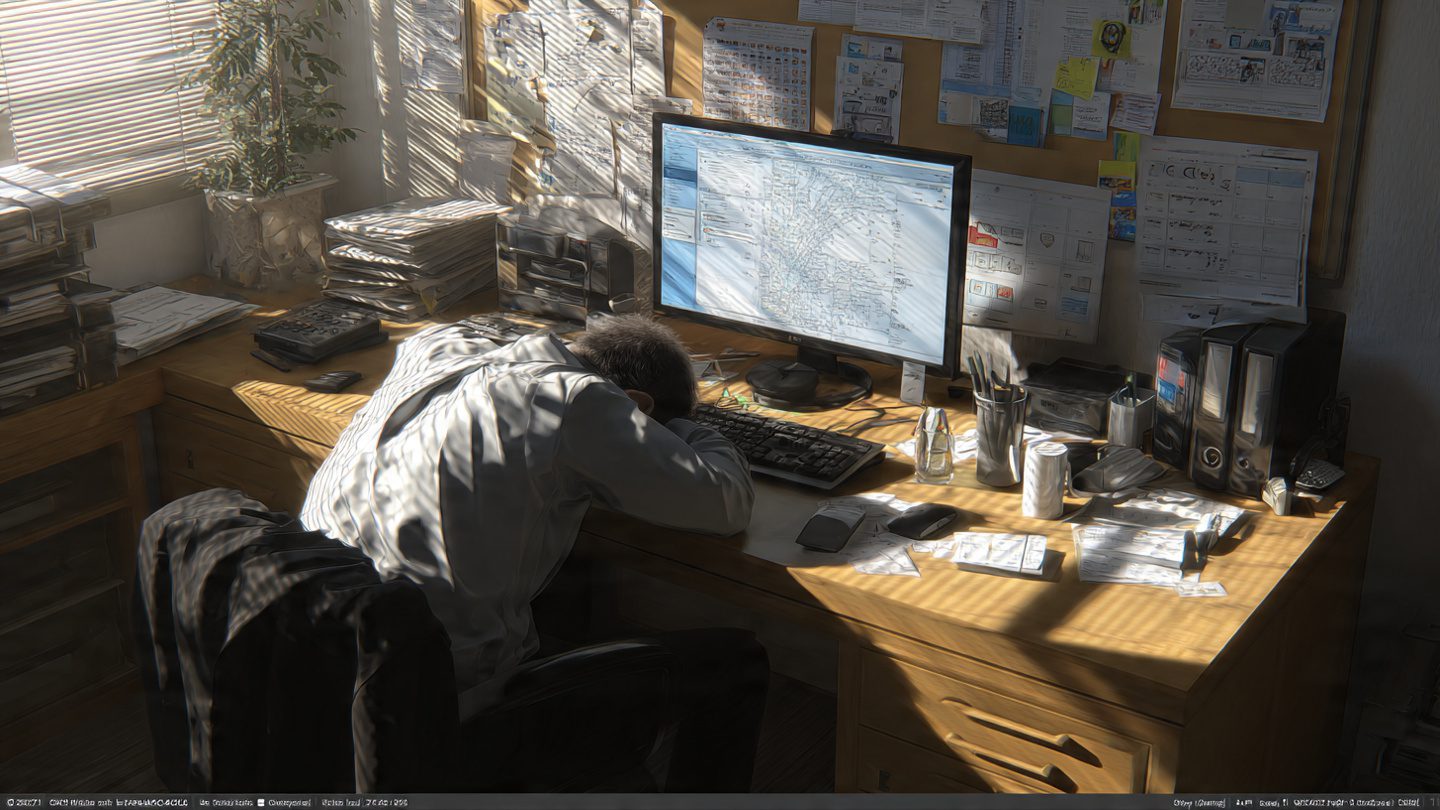
What to do if you lose energy during the day is a question millions of people ask themselves daily. You wake up feeling fine, maybe even motivated, but as the hours pass, your energy drops. You feel tired, unfocused, and mentally drained. If you’ve ever wondered how to boost energy naturally during the day, how to stay productive without caffeine crashes, or how to avoid that afternoon slump, you are not alone. Energy loss is not random. It is a signal from your body that something in your routine, biology, or habits needs attention.
Common causes of low energy levels during the day
Understanding why your energy drops is the first step to fixing it. Energy is not just about sleep. It is influenced by multiple systems working together.
One major cause is unstable blood sugar levels. When you eat foods high in sugar or refined carbohydrates, your blood sugar spikes quickly. This is followed by a crash, leaving you feeling tired and sluggish.
Another factor is poor sleep quality. Even if you sleep long enough, interruptions in deep sleep stages prevent full recovery. Your body wakes up without fully recharging.
Dehydration is often overlooked. Even mild dehydration can reduce energy levels and impair concentration.
Sedentary behavior also plays a role. Sitting for long periods slows circulation and reduces oxygen flow to the brain.
Stress is another hidden factor. High stress increases cortisol, which initially boosts energy but later leads to exhaustion.
Identifying the root cause allows you to apply the right solution.

How to increase energy levels naturally without caffeine
Many people rely on caffeine to get through the day. While it provides a temporary boost, it does not solve the underlying problem.
Natural energy comes from balanced habits. One of the most effective strategies is optimizing your morning routine. Exposure to natural light early in the day helps regulate your internal clock and boosts alertness.
Breathing techniques can also increase energy. Deep, controlled breathing improves oxygen delivery to your brain and muscles.
Cold exposure, such as a cold shower, can stimulate the nervous system and increase alertness.
Hydration is essential. Drinking water regularly throughout the day supports metabolic processes and prevents fatigue.
Movement is another powerful tool. Even short bursts of physical activity can increase energy levels quickly.
Replacing caffeine dependence with natural strategies leads to more stable and sustainable energy.
Best foods that boost energy and reduce fatigue
Food is one of the most powerful influences on your energy levels. What you eat determines how you feel throughout the day.
Complex carbohydrates provide steady energy. Foods like oats, brown rice, and whole grains release glucose slowly, preventing energy crashes.
Protein helps stabilize blood sugar levels. It also supports muscle function and mental clarity.
Healthy fats provide long-lasting energy. They are slower to digest and keep you feeling full and energized.
Fruits and vegetables supply essential vitamins and antioxidants. These nutrients support cellular energy production.
Avoid highly processed foods. They often contain added sugars and unhealthy fats that lead to energy fluctuations.
Balanced meals are key. Combining protein, carbs, and fats creates a steady energy supply.
Eating the right foods can transform your daily energy levels.
Why you feel tired in the afternoon and how to fix it
The afternoon slump is one of the most common energy issues. It usually occurs between 1 PM and 4 PM.
This dip is partly natural. Your circadian rhythm includes a slight decrease in alertness during the afternoon.
However, lifestyle factors can make it worse. Heavy lunches, especially those high in refined carbs, can cause a significant energy drop.
Lack of movement during the day contributes to fatigue. Sitting for long periods reduces blood flow and energy.
Poor hydration also plays a role. Many people forget to drink enough water during the day.
To fix this, keep your lunch balanced and avoid large portions. Take short breaks to move and stretch. Stay hydrated consistently.
Small adjustments can eliminate the afternoon slump.
Daily habits that drain your energy without you noticing
Many daily habits silently reduce your energy levels. You may not even realize their impact.
Excessive screen time is a major factor. Constant exposure to screens strains your eyes and brain, leading to fatigue.
Multitasking reduces efficiency. It forces your brain to switch between tasks, which consumes more energy.
Irregular sleep schedules disrupt your internal clock. This leads to inconsistent energy levels.
Skipping meals causes energy dips. Your body needs consistent fuel to function properly.
Negative thought patterns also drain energy. Stress, worry, and overthinking consume mental resources.
Identifying and changing these habits can significantly improve your energy.
How hydration and sleep impact your daily energy
Hydration and sleep are the foundation of energy. Without them, nothing else works effectively.
Water is essential for every cell in your body. It supports digestion, circulation, and temperature regulation. Even slight dehydration can cause fatigue.
Sleep is when your body repairs itself. Deep sleep stages are crucial for physical recovery and brain function.
Poor sleep quality leads to reduced concentration, slower reaction times, and low energy.
Consistency is important. Going to bed and waking up at the same time helps regulate your energy levels.
Improving hydration and sleep can have an immediate impact on how you feel.
Quick ways to boost energy instantly at work or home
Sometimes you need an immediate energy boost. There are simple strategies that can help.
Standing up and moving for a few minutes increases blood flow and oxygen delivery. This can quickly improve alertness.
Stretching your body reduces tension and improves circulation.
Deep breathing exercises can increase oxygen levels and reduce stress.
Listening to music can boost mood and motivation.
Changing your environment, even slightly, can refresh your ذهن and increase focus.
These quick actions can help you regain energy without relying on stimulants.

When low energy could be a sign of a health problem
Persistent low energy is not always due to lifestyle factors. It can sometimes indicate underlying health issues.
Conditions like anemia reduce oxygen delivery to tissues, causing fatigue.
Thyroid disorders can slow metabolism and lower energy levels.
Chronic fatigue syndrome is another possibility. It involves severe, long-term fatigue that does not improve with rest.
Sleep disorders such as sleep apnea can disrupt sleep quality.
Mental health conditions like depression also affect energy levels.
If fatigue persists despite lifestyle changes, medical evaluation is important.
How to build long-term energy and avoid burnout
Sustainable energy requires a long-term approach. Quick fixes are not enough.
Creating a balanced routine is essential. This includes regular sleep, healthy eating, and consistent physical activity.
Managing stress is critical. Chronic stress leads to burnout and long-term fatigue.
Setting realistic goals prevents overwhelm. Breaking tasks into smaller steps makes them more manageable.
Taking regular breaks improves productivity and prevents mental exhaustion.
Building habits takes time. Consistency is more important than perfection.
Long-term energy comes from a balanced and sustainable lifestyle.
How to gain muscle without steroids
Why am I still tired even when I sleep ?
How to lose belly fat for men quickly and effectively
Summary
Losing energy during the day is a common issue, but it is not something you have to accept. It is often caused by poor nutrition, lack of movement, dehydration, stress, or disrupted sleep. By understanding the root causes and making targeted changes, you can maintain stable energy levels throughout the day. Small habits, when practiced consistently, can lead to significant improvements in how you feel and perform.
FAQ
1. Why do I lose energy so quickly during the day?
It is often due to unstable blood sugar, dehydration, or poor sleep quality.
2. Is caffeine bad for energy levels?
Not necessarily, but relying on it can lead to crashes and dependence.
3. What is the best way to boost energy naturally?
Focus on balanced nutrition, hydration, movement, and sleep.
4. Why do I feel tired after eating?
Heavy or high-carb meals can cause blood sugar spikes and crashes.
5. When should I see a doctor for low energy?
If fatigue persists despite lifestyle changes or affects daily life.
CTA (Call-to-Action)
Stop pushing through your day feeling exhausted. Take control of your energy today by making small, powerful changes. Your productivity, mood, and health depend on it.






