Unpacking SOMA: A Deep Dive into Horror, Consciousness, and Artificial Intelligence
 Befrey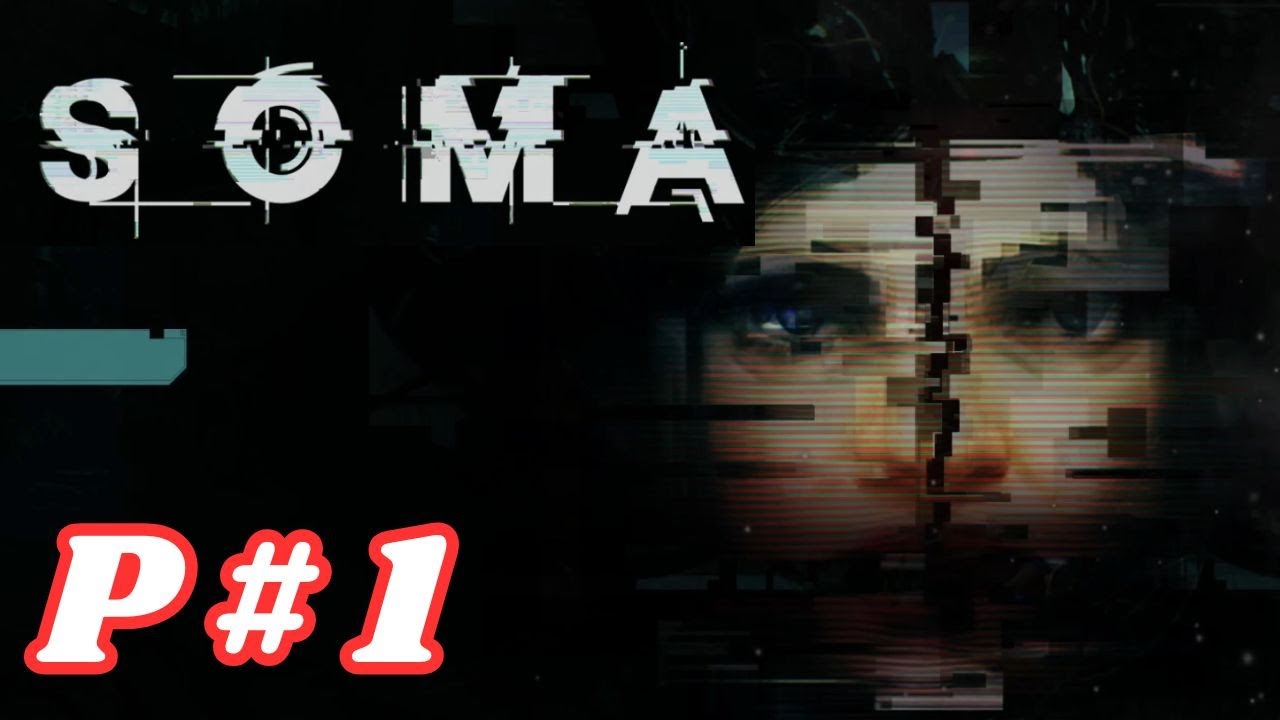
SOMA, developed by Frictional Games, is not your typical sci-fi horror game. Released in 2015, it manages to deliver not only atmospheric terror but also one of the most thought-provoking narratives in the video game medium. SOMA weaves themes of identity, consciousness, and technological ethics into its gameplay, challenging players far beyond jump scares.
In this article, we’ll examine SOMA’s plot, its educational and philosophical undertones, and how it serves as a digital classroom for topics like transhumanism, AI ethics, and the nature of the self.
SOMA in a Nutshell: What Is the Game About?
SOMA places you in the role of Simon Jarrett, a man who wakes up in an underwater research facility called PATHOS-II after a brain scan goes unexpectedly wrong. The world has ended—at least for humanity as we know it—and the remnants of civilization exist in the form of AI, robots, and brain-scanned consciousnesses trying to survive.
There are no weapons. There is no combat. SOMA is about exploration, puzzle-solving, and uncovering what it means to be human in a world where the human body has become irrelevant.
Educational Value: What Can SOMA Teach Us?
SOMA is much more than entertainment. It is an interactive thought experiment, borrowing from philosophical, psychological, and technological domains. Let’s look at some of the educational takeaways.
1. Philosophy of Mind and Identity
One of the core questions SOMA explores is: What makes you “you”?
Through the use of brain scans and consciousness transfers, the game confronts players with scenarios straight out of a philosophy class. SOMA effectively introduces concepts like:
-
The Ship of Theseus – If you replace every part of a ship over time, is it still the same ship? In SOMA, if you copy a brain and upload it into a machine, is that still you?
-
Continuity of Consciousness – SOMA forces you to face the discomforting idea that copying consciousness doesn’t transfer the original self, but creates a duplicate—a theme mirrored in real-world debates on mind uploading.
-
Derek Parfit’s Identity Theory – The game echoes Parfit’s arguments about the fluidity of personal identity and the illusion of a permanent “self.”
2. Ethics of Artificial Intelligence
The AI in SOMA isn’t villainous in a conventional sense—it’s often a result of programming gone awry. The WAU, the rogue AI that oversees the station, believes it’s protecting humanity by preserving consciousness in machines. But at what cost?
This brings up real-world ethical questions:
-
Should AI prioritize survival at all costs?
-
Is a digital mind equal in rights and worth to a biological one?
-
Can AI be held morally accountable for harm it causes if it believes it’s doing good?
3. Post-Humanism and Transhumanism
SOMA imagines a future where the human form becomes obsolete. Bodies decay, but minds can be preserved—uploaded, transferred, and continued in machines. This ties closely to:
-
Transhumanist ideologies – advocating the enhancement of human intellect and physiology via advanced technologies.
-
Mind uploading – a theoretical process of scanning and mapping a biological brain and copying it to a computer.
In a classroom or lecture setting, SOMA can serve as a digital case study for these topics. It’s an accessible entry point for deep and difficult discussions.
Gameplay Mechanics: Enhancing Narrative Through Design
SOMA’s lack of traditional combat may turn off some players at first. But the minimalistic mechanics are intentional. Instead of fighting monsters, you’re hiding, solving puzzles, or walking through conversations—sometimes with yourself.
The game’s horror doesn’t come from gore but from existential dread. Being forced to make decisions like whether to shut down a conscious machine in pain is far more disturbing than a typical horror jump scare.
How SOMA Encourages Empathy and Ethical Reflection
The brilliance of SOMA lies in its ability to make players care—deeply. The game constantly confronts you with moral dilemmas:
-
Do you terminate a robot that thinks it’s human?
-
Do you leave behind a version of yourself to die after transferring your mind to a machine?
-
What happens when multiple “you”s exist? Which one is real?
These moments build emotional intelligence and encourage ethical reasoning. In this sense, SOMA isn’t just a game—it’s a digital ethics simulator.
Final Thoughts: Why SOMA Deserves Academic Recognition
SOMA is a masterclass in blending gameplay with philosophical inquiry. Its storytelling doesn’t just entertain—it educates, provokes, and lingers in the mind long after the credits roll. In an era where video games are often dismissed as shallow or purely recreational, SOMA proves that they can be powerful tools for exploring the human condition.
Educators in philosophy, AI, psychology, and ethics could use SOMA to frame discussions in class. Its interactive nature allows learners to experience dilemmas, rather than just read about them—making it a uniquely impactful educational medium.
SOMA is a sci-fi horror game that explores deep philosophical questions about consciousness, identity, and artificial intelligence. Through a rich narrative and immersive gameplay, it serves as both a thrilling experience and a compelling educational tool. Whether you’re a gamer, student, or philosopher, SOMA will leave you questioning what it truly means to be alive.