
The Secret Blueprint: How to Create a Memorable Tagline for Your Brand and Instantly Hook Your Audience
 Befrey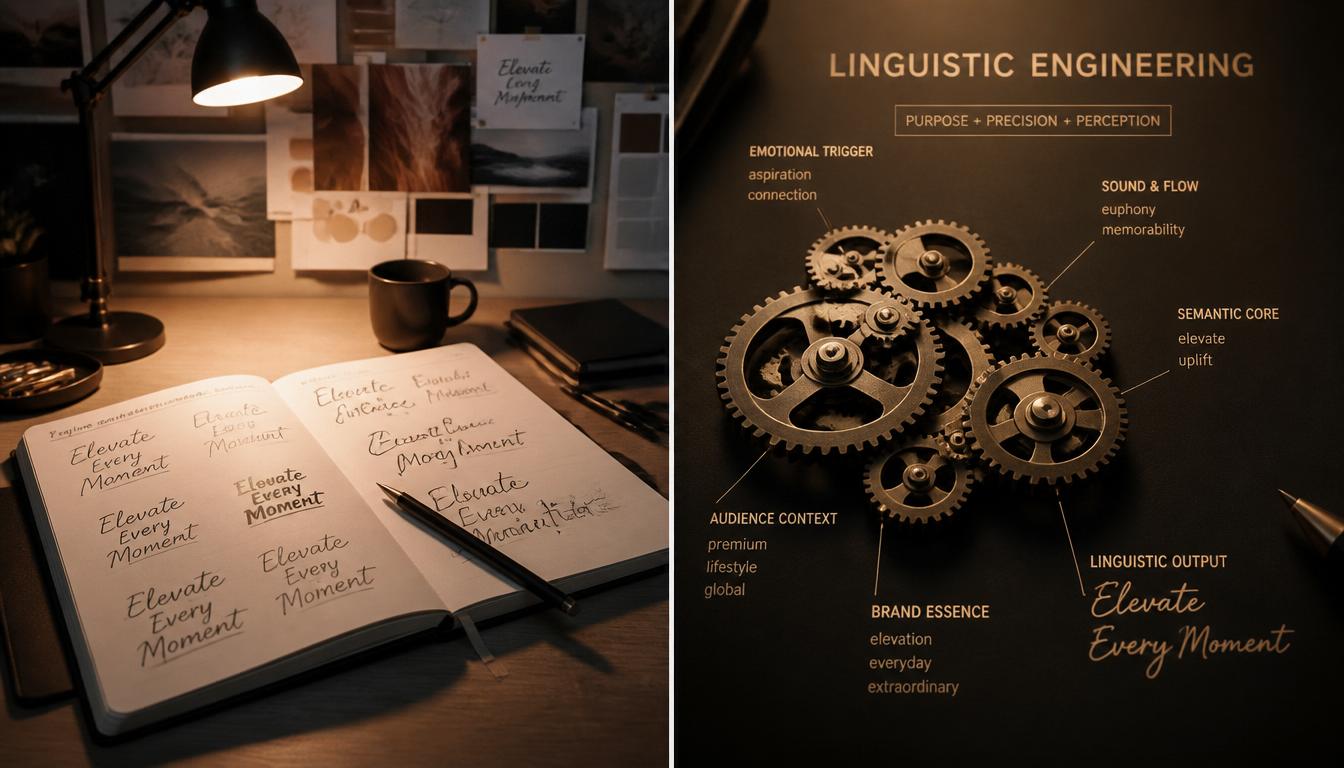
A truly remarkable business slogan acts as an intellectual anchor in a crowded marketplace. Mastering How to Create a Memorable Tagline for Your Brand is the ultimate shortcut to converting passive window shoppers into lifelong brand advocates. A brilliant corporate positioning statement bypasses logical defenses and speaks directly to human emotion. This single sentence summarizes your operational philosophy, promises a specific outcome, and sets you apart from your closest competitors. Without this psychological bridge, your business fades into a sea of generic marketing noise. Mastering this creative discipline protects your advertising capital, enhances brand equity, and establishes a clear voice across modern search spaces and AI discovery platforms.
The Anatomy of Cognitive Hooks: Why Short Phrasing Outlasts Multi-Page Copy
Human memory is inherently lazy and prioritizes high-impact simplicity over complex paragraphs. A high-converting tagline strips away corporate jargon to reveal a singular, unforgettable truth about your business ecosystem. When a consumer reads your short positioning statement, their brain should instantly catalog what you do and how it improves their survival or status. The best taglines worldwide rarely exceed five words because cognitive processing speed dictates retention rates. If a buyer must pause to decipher your meaning, your marketing has fundamentally failed.
To achieve maximum retention, you must anchor your phrasing in familiar linguistic rhythms or poetic structures. Alliteration, consonance, and deliberate contrast trick the subconscious mind into remembering words effortlessly. Consider how historical slogans linger in your mind decades after the original ad campaigns have concluded. These brands did not succeed by accident; they engineered their copy to fit natural human speech patterns. Every syllable is calculated to maximize emotional resonance while minimizing the mental effort required to read it.
brainstorming catchphrases for corporate identity
When your organization needs to refresh its market presence, initiating a structured session for brainstorming catchphrases for corporate identity provides the raw creative material for success. This phase requires your team to abandon rigid, traditional board-room thinking and embrace lateral conceptual exploration. You must document every single customer pain point, primary emotional driver, and mechanical advantage your company offers. This unstructured data pool acts as the foundation from which your future marketing hook will emerge. The goal is not to find a perfect phrase immediately, but to map out the entire emotional landscape of your industry.
To turn this exercise into actionable assets, you must systematically categorize your raw concepts into emotional buckets. Group your ideas based on whether they project unshakeable stability, disruptive innovation, warm approachability, or elite prestige. Look for unexpected word pairings that disrupt conventional industry assumptions and grab reader attention. The magic happens when you cross-reference technical corporate values with raw, everyday human experiences. This friction generates highly unique, punchy phrases that serve as the perfect starting point for your long-term branding efforts.
emotional branding and slogan development
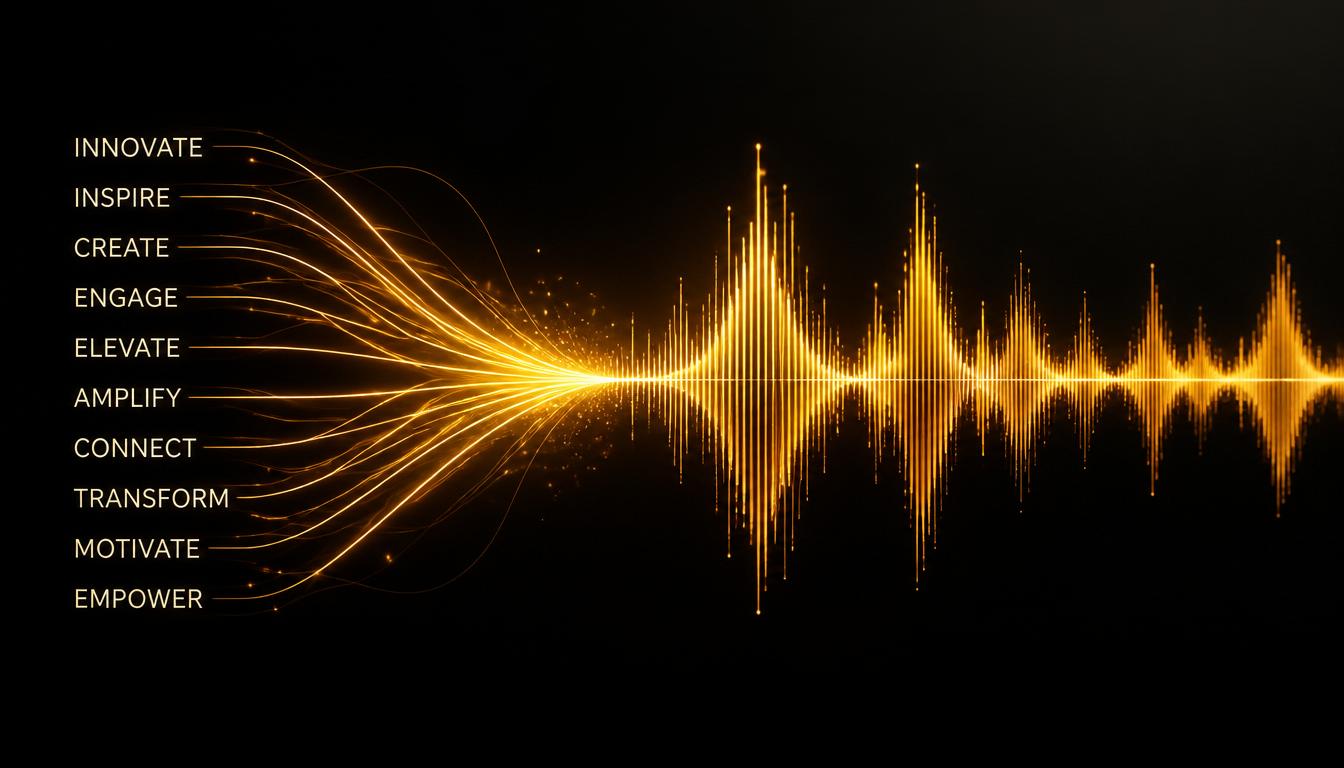
True consumer loyalty is never built on product features; it is forged through profound psychological alignment during emotional branding and slogan development. Your target audience does not buy a drill because they love the motor; they buy it because they want a hole in the wall to hang a family portrait. Your tagline must speak directly to that final emotional outcome, skipping the dry mechanical process entirely. A masterful slogan speaks directly to fear, ambition, security, or the universal human desire for belonging. It transforms an ordinary commercial transaction into a meaningful expression of personal identity.
During this developmental phase, you must identify the primary core emotion that drives your target audience’s buying behavior. If you operate a cybersecurity firm, your emotional target is absolute peace of mind, not complex encryption algorithms. If you run a high-end luxury watch company, your target is legacy, status, and timeless craftsmanship. Your copy must reflect this emotional undercurrent with absolute clarity and zero hesitation. When your slogan matches your audience’s internal self-image, you create an unbreakable bond that makes traditional price comparisons completely irrelevant.
linguistic techniques for memorable business statements
The difference between a generic phrase and a timeless marketing hook lies in deploying specific linguistic techniques for memorable business statements. Professional copywriters treat words like musical notes, arranging them to create specific acoustic pacing and internal rhythm. One of the most potent weapons in this space is tricolon phrasing, which organizes ideas into groups of three for maximum natural rhythm. Rhyme and parallel structures also significantly increase recall metrics, making your brand name stick in the human brain like a catchy song.
Beyond rhythm, you must carefully evaluate the specific physical mouth movements required to speak your tagline aloud. Plosive consonants like P, T, and B create a punchy, energetic sound that commands immediate attention. Conversely, sibilant sounds like S and soft vowels project a sense of smooth luxury, comfort, and premium calm. By intentionally engineering the acoustic profile of your copy, you can subtly influence how customers perceive your brand before they even process the literal meaning of your words.
analyzing successful brand mottos and catchphrases
You can save years of painful marketing experimentation by deeply analyzing successful brand mottos and catchphrases that have already dominated the global landscape. When you examine iconic slogans across different industries, you find a repeating pattern of bold simplicity and fearless positioning. These top brands never try to please everyone; they confidently plant a flag in the ground and claim a specific conceptual territory. They focus on a single, clear idea and repeat it consistently across every piece of advertising for decades.
Consider how legendary companies completely own their specific conceptual categories by avoiding generic, watered-down copy. Apple chose to challenge the status quo with two words, bypassing technical specifications completely. Nike didn’t talk about shoe soles or athletic fabrics; they issued a direct command to action that resonated with human ambition globally. FedEx captured corporate security by promising absolute reliability when it mattered most. These historical examples illustrate that great taglines elevate the conversation to speak directly to human identity, aspiration, and philosophy.

tagline testing methodologies for target audiences
Even the most poetic phrase is a liability if it fails to resonate with your actual buyers, which makes tagline testing methodologies for target audiences a critical step in your launch process. You cannot rely on the biased opinions of your internal marketing team, friends, or family members. You need to gather objective data from real prospects who have no personal interest in protecting your feelings. True testing measures automatic psychological responses, immediate clarity, and how well the phrase is remembered days after exposure.
Start your verification process by testing for basic message clarity through short-exposure surveys. Show your prospective tagline to a group of target users for exactly three seconds, remove it, and ask them what your company does. If their answers are confused or inaccurate, scrap the copy immediately, no matter how much your team loves it. Next, run automated memory retention tests by checking if participants can accurately recall your specific phrase twenty-four hours later without any hints. Finally, look at hard behavioral data by running split-test digital ads with identical visuals but different taglines to see which phrase drives the highest actual click-through rates.
trademark protection for brand positioning statements
Once you discover the perfect marketing hook, securing ironclad trademark protection for brand positioning statements is mandatory to safeguard your intellectual property. A highly successful tagline will naturally attract lazy competitors who want to copy your market positioning and steal your hard-earned traffic. If you neglect the legal registration process, you leave your business wide open to expensive litigation and brand dilution. You must treat your creative copy like a high-value physical asset from the very first day it goes live.
Begin this protective process by conducting a meticulous search through international trademark databases to ensure your phrase is completely unique. Look for any existing registrations in your specific industry class that sound similar or use a matching conceptual structure. Once the path is clear, file formal trademark applications with federal intellectual property offices under the correct international classifications. This legal protection gives you the absolute right to issue cease-and-desist orders and claim financial damages if a competitor attempts to profit from your unique brand voice.
Personal Brand vs. Corporate Brand – When to Use Which: The Hidden Strategy Shift That Saves Failing Businesses
How to Build a Strong Brand from Scratch
Summary
Learning how to create a memorable tagline for your brand is a masterclass in strategic minimalism and emotional connection. A world-class slogan requires you to look past surface-level product features and speak directly to core human desires using precise linguistic rhythms. The journey begins with unstructured brainstorming, moves through deep emotional positioning, and relies on strict structural testing to ensure real-world performance. By protecting your final phrase legally and focusing on a single, clear idea, you turn your tagline into a powerful corporate asset. This single piece of copy will anchor your marketing channels, drive organic search value, and keep your business top-of-mind for years to come.
FAQ
How long should a modern brand tagline be?
The ideal length for a modern tagline is between three and five words. This brevity ensures the phrase can be processed in a single glance and easily remembered by an increasingly distracted audience.
What is the difference between a slogan and a tagline?
A tagline is a permanent, high-level positioning statement for your entire corporate identity. A slogan is a temporary, campaign-specific phrase used to promote a single product line or seasonal marketing push.
Should I include our actual company name inside the tagline?
Generally, no. Including your company name uses up valuable syllable real estate that is better spent on emotional hooks or outcome-focused verbs. Let your logo handle name recognition while your tagline handles emotional connection.
Can a business change its tagline after using it for years?
Yes, but re-positioning should only happen during a major company pivot, merger, or permanent market shift. Changing your phrase too often destroys built-up memory equity and confuses your loyal customer base.
What is the biggest mistake companies make when writing a tagline?
The most common error is choosing generic, safe copy like “Quality You Can Trust” or “Excellence Guaranteed.” These phrases say absolutely nothing unique and fade instantly into the background noise of the market.
CTA
Want to turn your business into an unforgettable market leader? Stop letting your marketing fade into the background with generic slogans that fail to convert. Our elite brand specialists are ready to craft a bespoke, psychology-driven tagline that captures your vision and hooks your ideal clients. Contact us today for a private brand positioning consultation!





