
Smart Household Budget Blueprint: How to Manage Money Effectively and Distribute Expenses
 Befrey
Learning How to Manage Money Effectively is one of the most powerful life skills you can develop. Many people search for how to manage money effectively, how to control household expenses, and how to split bills fairly in a relationship. Yet few truly understand what effective money management means in practice. It is not just about saving more. It is about building structure, clarity, and long-term security. If you want to master How to Manage Money Effectively, especially when distributing household expenses, you must understand strategy, psychology, and communication. This guide will walk you step by step through practical systems that work for beginners and professionals alike.
Money influences stress levels, relationships, and long-term opportunities. A poorly managed household budget creates tension and uncertainty. A well-managed one creates confidence and peace. The difference is rarely income level. The difference is structure and discipline.
Let’s break it down in a simple yet powerful way.
Financial Clarity Foundations
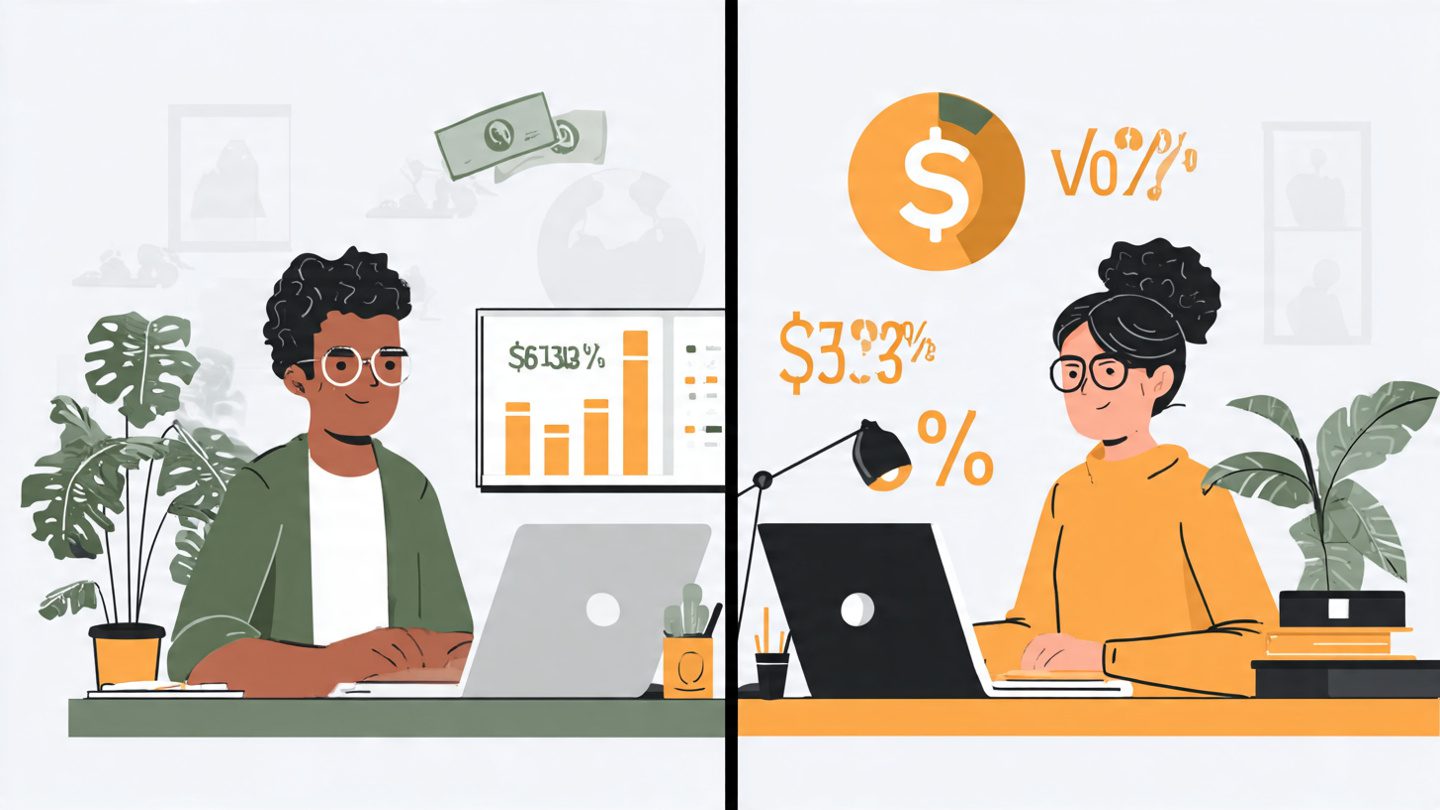
Before you can divide household expenses, you must understand your full financial picture. Many families skip this step. That is a mistake. You cannot manage what you do not measure.
Start by listing all income sources. Include salary, side income, business revenue, or passive income. Write the exact monthly average. Be realistic. Then list all fixed expenses. These include rent or mortgage, utilities, insurance, subscriptions, loan payments, and school fees. Fixed expenses are predictable.
Next, identify variable expenses. These include groceries, dining out, entertainment, clothing, and unexpected repairs. These fluctuate monthly. They often hide financial leaks.
If you want to truly learn How to Manage Money Effectively, you must calculate your net monthly difference. Income minus expenses. If the result is negative, you must adjust immediately. If positive, you must allocate intentionally.
Clarity removes emotional guessing. It replaces fear with data. And data builds control.

Household Expense Distribution
Distributing household expenses is one of the most sensitive financial topics. Couples and families often argue about fairness. Fair does not always mean equal. Fair means proportional and transparent.
There are three primary models:
Equal Split Model
Both partners contribute 50% of household expenses. This works best when incomes are similar. It creates simplicity. It reduces confusion. However, if incomes are unequal, this model can create hidden resentment.
Income Proportional Model
Each partner contributes according to income percentage. If one earns 60% of total income, they cover 60% of shared expenses. This is often the most balanced and modern approach. It maintains fairness without punishing lower earners.
Role-Based Model
One partner covers specific categories. The other covers different ones. For example, one handles rent and utilities. The other handles groceries and insurance. This works well when both partners agree and trust each other fully.
Understanding these systems is essential if you want to master How to Manage Money Effectively within a household. There is no universal formula. The best system is the one both parties understand and accept.

Budgeting Systems That Work
Budgeting is not restriction. It is intentional direction. Many people fear budgeting because they associate it with limitation. In reality, it creates freedom.

50/30/20 Rule
This system divides income into three categories:
50% needs
30% wants
20% savings and investments
It is simple and beginner-friendly. It creates automatic balance.
Zero-Based Budgeting
Every dollar has a job. Income minus expenses equals zero. You allocate money to categories before the month begins. This method offers maximum control and is powerful for those serious about optimizing finances.
Envelope Method
Traditionally cash-based, but now digital versions exist. Each spending category has a limit. When it is gone, spending stops. This method is excellent for controlling impulsive spending.
If you want to deeply understand How to Manage Money Effectively, experiment with different systems. What matters is consistency, not perfection.

Emergency and Savings Strategy
No household budget is complete without protection. Emergencies are not optional. They are inevitable.
Build an emergency fund covering three to six months of essential expenses. This includes rent, food, utilities, and insurance. Do not invest this money aggressively. Keep it liquid and accessible.
After building safety, shift focus to long-term savings. Retirement funds, index investments, property, or business reinvestment. Wealth is built gradually.
Many households fail financially not because of low income, but because of zero emergency preparation. That is why learning How to Manage Money Effectively must include defensive financial planning.
Protection first. Growth second.
Communication and Transparency
Money conflicts rarely start with numbers. They start with silence. Couples avoid financial conversations because they fear conflict. That avoidance creates larger problems later.
Schedule monthly money meetings. Keep them structured. Review expenses. Adjust categories. Discuss future goals. Keep emotions separate from numbers.
Use shared budgeting apps or spreadsheets. Transparency builds trust. Trust reduces stress. Reduced stress improves decision-making.
When both partners understand the system, financial arguments decrease dramatically. This is not theory. It is practical behavioral economics.
Mastering How to Manage Money Effectively requires emotional intelligence as much as mathematical skill.
Advanced Optimization Techniques
For professionals or higher-income households, optimization becomes more sophisticated.
Automate savings and investments. Remove manual decision-making. Automation reduces human error.
Review recurring subscriptions quarterly. Small recurring payments accumulate significantly over time.
Negotiate large expenses annually. Insurance, internet services, and even rent can sometimes be renegotiated.
Track net worth quarterly. Not just income. Net worth shows long-term progress.
Advanced management transforms stability into wealth creation. That is the difference between surviving and thriving financially.
Psychological Money Traps
Even high earners struggle with money because of mindset traps.
Lifestyle inflation is dangerous. When income increases, expenses increase equally. True wealth is created when expenses grow slower than income.
Emotional spending also damages budgets. Stress, boredom, or social pressure can trigger unnecessary purchases.
Comparison culture amplifies financial anxiety. Social media creates unrealistic standards. Focus on your goals. Not someone else’s highlight reel.
If you want to master How to Manage Money Effectively, you must protect your mental discipline as much as your bank account.
Building Long-Term Financial Vision
Money management is not about this month only. It is about five, ten, and twenty years ahead.
Define shared financial goals. Buying a house. Starting a business. Retiring early. Traveling the world. Clear goals give purpose to budgeting.
Break large goals into monthly actionable targets. Track progress visually. Celebrate milestones.
When you connect everyday spending to long-term dreams, discipline becomes easier. Motivation increases.
Financial structure becomes empowering instead of restrictive.
Summary
Managing money effectively is about clarity, structure, fairness, and discipline. Start by understanding income and expenses. Choose a fair household expense distribution model. Apply a budgeting system consistently. Build an emergency fund. Communicate openly. Optimize continuously. Protect against psychological traps. Align finances with long-term goals.
Learning How to Manage Money Effectively transforms stress into stability and income into long-term wealth.
How to Earn Money Writing Comments, Reviews, and Forum Replies: A Complete Guide
Affiliate Marketing for Free – How to Start Without a Website or Capital
How to Make Money on YouTube Without Making Videos
FAQ
1. What is the best way to split household expenses?
The income proportional model is often the fairest, especially when incomes differ significantly.
2. How much should I save monthly?
Aim for at least 20% of your income, but start smaller if necessary and increase gradually.
3. How large should an emergency fund be?
Three to six months of essential living expenses.
4. Is joint or separate budgeting better?
It depends on trust and income structure. Many couples use a hybrid model.
5. How often should I review my budget?
Monthly reviews are ideal. Quarterly deep reviews are recommended.
Call to Action
If you found this guide helpful, start today. Write down your income. List your expenses. Choose a distribution model. Take control of your finances instead of letting finances control you. Share this article with someone who needs financial clarity.





