
 Befrey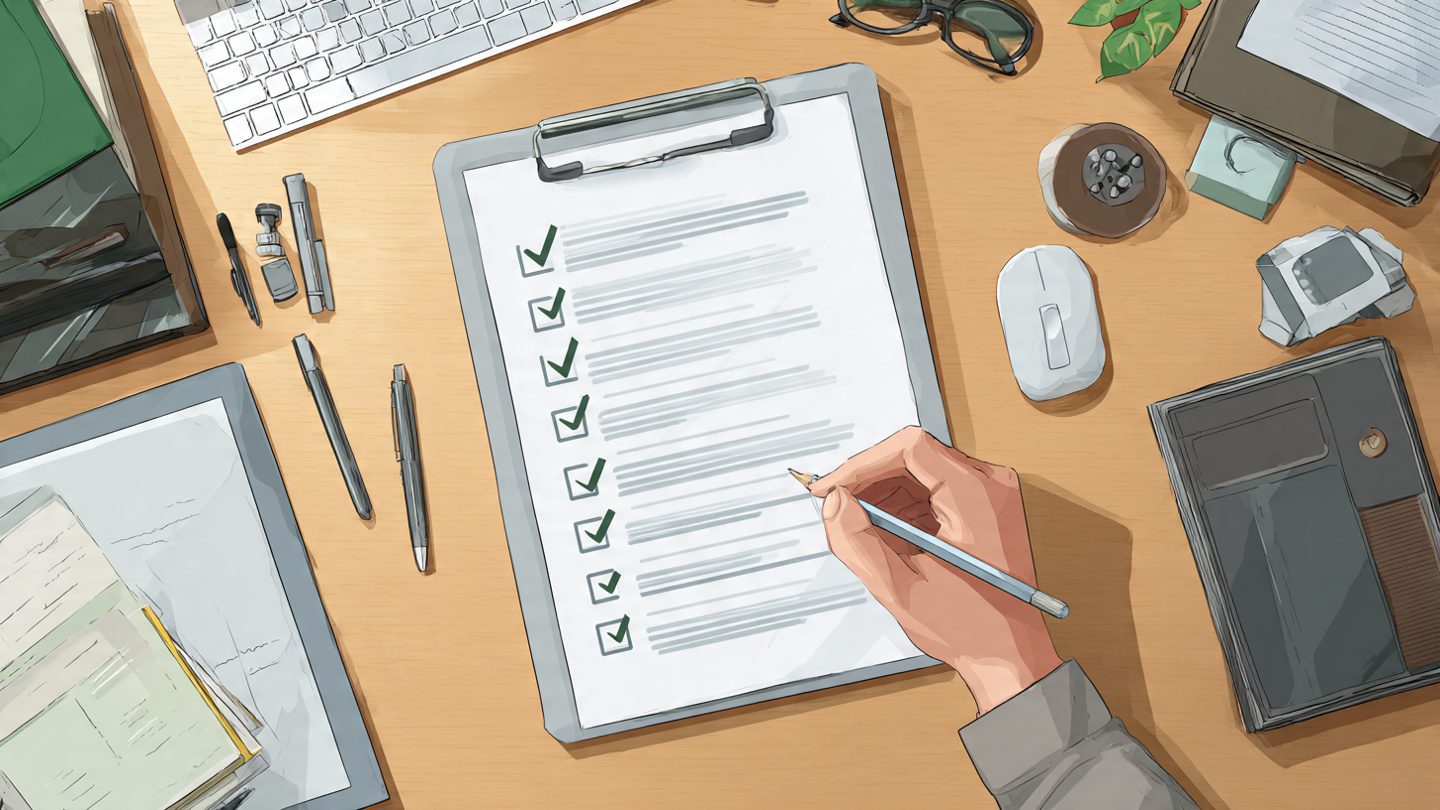
If you’ve ever struggled to stay consistent, you’ve probably asked yourself how to build discipline when motivation fails. At the beginning of any goal, motivation feels strong. You feel excited, focused, and ready to act. But over time, that energy fades. This is where most people stop. They believe they need motivation to continue. The truth is different. Learning how to build discipline when motivation fails is the key to long-term success. It is not about forcing yourself to work harder. It is about creating systems, habits, and mental frameworks that allow you to act even when you don’t feel like it. When motivation disappears, discipline becomes your foundation.
Why motivation is unreliable and discipline is essential
Motivation is emotional. It depends on how you feel in the moment. This makes it unpredictable. Some days you feel energized. Other days you feel tired, distracted, or overwhelmed. If your progress depends on motivation, your results will always be inconsistent.
Discipline works differently. It is not based on feelings. It is based on commitment and structure. It allows you to act regardless of your emotional state. This is why disciplined individuals achieve more over time. They do not wait for the perfect moment. They create consistency through action.
Your brain naturally avoids discomfort. When tasks become difficult, motivation drops. This is a survival mechanism. Discipline overrides this response. It trains your brain to act despite resistance.
Understanding this difference changes your approach. Instead of chasing motivation, you focus on building systems that support consistent behavior. This is the foundation of discipline.

How to develop self-discipline and stay consistent daily
Developing discipline is not about extreme effort. It is about repetition and structure. The key is to make consistency easier than inconsistency.
Start with small actions. Large goals create resistance. When something feels overwhelming, you avoid it. But when tasks are small, they feel manageable. This increases the likelihood of action.
Create a daily routine. Routines reduce decision-making. When you know exactly what to do, you waste less energy thinking about it. This makes it easier to stay consistent.
Use triggers to automate behavior. For example, perform a task immediately after a daily habit like brushing your teeth or drinking coffee. This builds automatic patterns.
Track your actions. Seeing your progress reinforces your behavior. It creates a feedback loop that strengthens discipline.
Most importantly, focus on showing up every day. Consistency builds identity. You become someone who follows through, regardless of mood.
The psychology behind discipline vs motivation explained
To truly understand discipline, you need to understand how your brain works. Motivation is driven by dopamine. It increases when something feels exciting or rewarding. But as soon as novelty fades, dopamine decreases.
Discipline operates differently. It relies on habit loops and neural pathways. The more you repeat an action, the easier it becomes. Over time, it requires less effort.
Your brain prefers immediate rewards. This is why long-term goals feel difficult. Discipline bridges this gap. It allows you to act now for rewards that come later.
Another psychological factor is identity. When you see yourself as a disciplined person, your behavior aligns with that belief. This creates consistency.
Understanding these mechanisms allows you to work with your brain instead of against it. This makes discipline easier to build and maintain.
Daily habits to build discipline even on low-energy days
Discipline is built through daily habits, not occasional bursts of effort. Your habits determine your results.
Start your day with a simple task. This creates momentum. It signals your brain that you are in control.
Keep your habits small and realistic. If they are too difficult, you will avoid them. Consistency matters more than intensity.
Use time blocks to structure your day. This creates focus and reduces distractions. It also makes your progress measurable.
Limit decision fatigue. The more decisions you make, the more your energy decreases. Simplify your routine to conserve mental energy.
End your day with reflection. Review what you accomplished. This reinforces your behavior and prepares you for the next day.
Even on low-energy days, small actions maintain your discipline. This prevents you from losing momentum.
How to stay consistent without relying on motivation
Consistency is the result of systems, not feelings. If you rely on motivation, your behavior will always fluctuate.
To stay consistent, you need structure. Define clear actions for each day. Remove ambiguity. When you know what to do, you are more likely to do it.
Create a schedule. Assign specific times to your tasks. This reduces procrastination and increases accountability.
Use environmental design. Make it easy to perform good habits and difficult to engage in distractions. Your environment shapes your behavior.
Set minimum standards. On difficult days, reduce your workload but do not stop completely. This maintains your habit.
Focus on process, not outcome. Results take time. Consistent action leads to long-term success.
How to overcome procrastination and build discipline fast
Procrastination is one of the biggest obstacles to discipline. It is not caused by laziness. It is caused by emotional resistance.
When a task feels uncomfortable, your brain avoids it. This creates delay. To overcome this, you need to reduce resistance.
Break tasks into smaller steps. This makes them less intimidating. It also creates a sense of progress.
Use the “two-minute rule.” Start with a task that takes less than two minutes. This lowers the barrier to action.
Eliminate distractions. Turn off notifications. Create a focused environment. This increases your ability to act.
Take action immediately. The longer you wait, the harder it becomes to start. Action reduces resistance.
Building discipline requires consistent action. Overcoming procrastination is a critical step in that process.
Powerful mindset shifts to strengthen self-discipline
Your mindset determines your ability to stay disciplined. Without the right mindset, even the best systems will fail.
Shift your focus from motivation to commitment. Motivation is temporary. Commitment is long-term.
Adopt a growth mindset. Understand that discipline is a skill. It improves with practice.
Embrace discomfort. Discipline requires effort. When you accept this, challenges become easier to handle.
Detach from perfection. Perfectionism leads to inaction. Progress is more important than flawless execution.
Reframe failure. Mistakes are part of the process. They provide valuable feedback.
These mindset shifts create a strong foundation for discipline. They allow you to persist even when things are difficult.
How to create routines that make discipline automatic
Routines are powerful because they reduce the need for decision-making. When actions become automatic, discipline becomes easier.
Start by identifying key habits. Focus on actions that have the biggest impact on your goals.
Schedule these habits at the same time each day. Consistency strengthens neural pathways.
Stack habits together. Combine multiple actions into a sequence. This increases efficiency.
Prepare your environment in advance. Set up everything you need before you begin. This reduces friction.
Review and adjust your routine regularly. If something is not working, change it.
Over time, your routine becomes automatic. This reduces reliance on motivation and strengthens discipline.

The role of environment in building long-term discipline
Your environment plays a crucial role in your behavior. It can either support or hinder your discipline.
Remove distractions from your workspace. A clean environment improves focus.
Keep tools and resources easily accessible. This makes it easier to take action.
Surround yourself with supportive people. Positive influence increases accountability.
Limit exposure to negative inputs. This protects your mindset.
Use visual cues to reinforce your habits. For example, place reminders in visible locations.
Design your environment for success. This makes discipline easier to maintain.
Long-term strategies to master discipline and never rely on motivation again
Mastering discipline requires a long-term approach. It is not about quick fixes. It is about sustainable habits.
Set realistic goals. Unrealistic expectations lead to failure. Start small and build gradually.
Focus on consistency. Repeated action creates results over time.
Track your progress. This provides feedback and reinforces your behavior.
Celebrate small wins. This increases motivation and satisfaction.
Stay adaptable. Adjust your approach when necessary.
Discipline is a skill. With practice, it becomes stronger. Over time, you rely less on motivation and more on consistent action.
Why Do I Lose Motivation So Fast ?
How to Stay Motivated When You Feel Like Giving Up
Summary
Learning how to build discipline when motivation fails is essential for long-term success. Motivation is temporary, but discipline creates consistency. By building habits, creating routines, and understanding your psychology, you can take action even when you don’t feel like it. This is the key to achieving your goals.
FAQ
1. Can discipline really replace motivation?
Yes. Discipline allows you to act regardless of your emotional state.
2. How long does it take to build discipline?
It varies, but consistency over weeks and months creates lasting habits.
3. What is the biggest mistake people make?
Relying on motivation instead of building systems.
4. How do I stay disciplined on bad days?
Reduce your workload but continue taking small actions.
5. Is discipline a skill or a trait?
It is a skill that can be developed with practice.
CTA (Call-to-Action)
Start building your discipline today. Choose one habit and commit to it daily. Small actions create powerful results over time. Stay consistent and transform your life.






