Befrey
Are the best free password managers really secure? This is one of the most important questions in modern cybersecurity. Many users wonder, are the best free password managers really secure? before trusting them with their most sensitive data. If you are asking yourself are the best free password managers really secure?, you are thinking in the right direction. Password managers promise convenience and protection, but doubts remain. Understanding are the best free password managers really secure? requires looking deeper into how they work, how they protect data, and what risks exist. If you truly analyze are the best free password managers really secure?, you will discover that the answer is not simply yes or no—it depends on how you use them.
Why Password Managers Exist in the First Place
Before evaluating security, it is essential to understand the purpose of password managers. The modern internet requires dozens, sometimes hundreds, of accounts. Each account should have a unique, strong password. For most people, remembering all of them is impossible.
This limitation leads to dangerous habits. Users reuse passwords. They create simple combinations. They store credentials in insecure places. These behaviors create massive vulnerabilities.
Password managers solve this problem by storing all your passwords in one secure vault. Instead of remembering everything, you only need one master password. This changes the entire approach to security.
They also generate strong passwords automatically. This removes human error from the equation. Humans are predictable. Machines are not.
Another key function is auto-fill. It saves time and reduces exposure to phishing attacks. By only filling credentials on legitimate websites, password managers act as a protective filter.
Understanding this foundation helps answer the core question. Security is not just about the tool. It is about how the tool is designed and used.
Are Free Password Managers Safe to Use in 2026
The landscape of cybersecurity evolves constantly. So, are free password managers safe to use in 2026? The answer depends on several critical factors, including encryption standards, company reputation, and user behavior.
Most reputable free password managers use strong encryption. This means your data is converted into unreadable code. Even if hackers access the database, they cannot easily decode it.
Zero-knowledge architecture is another important feature. This means the company cannot see your data. Only you have access through your master password.
However, not all free password managers are equal. Some may cut corners. They might limit security features in free versions to encourage upgrades.
Another factor is updates. Security requires constant improvement. Free tools that are not actively maintained can become vulnerable over time.
Ultimately, free password managers can be safe. But only if you choose wisely and understand their limitations.
How Password Managers Protect Your Data
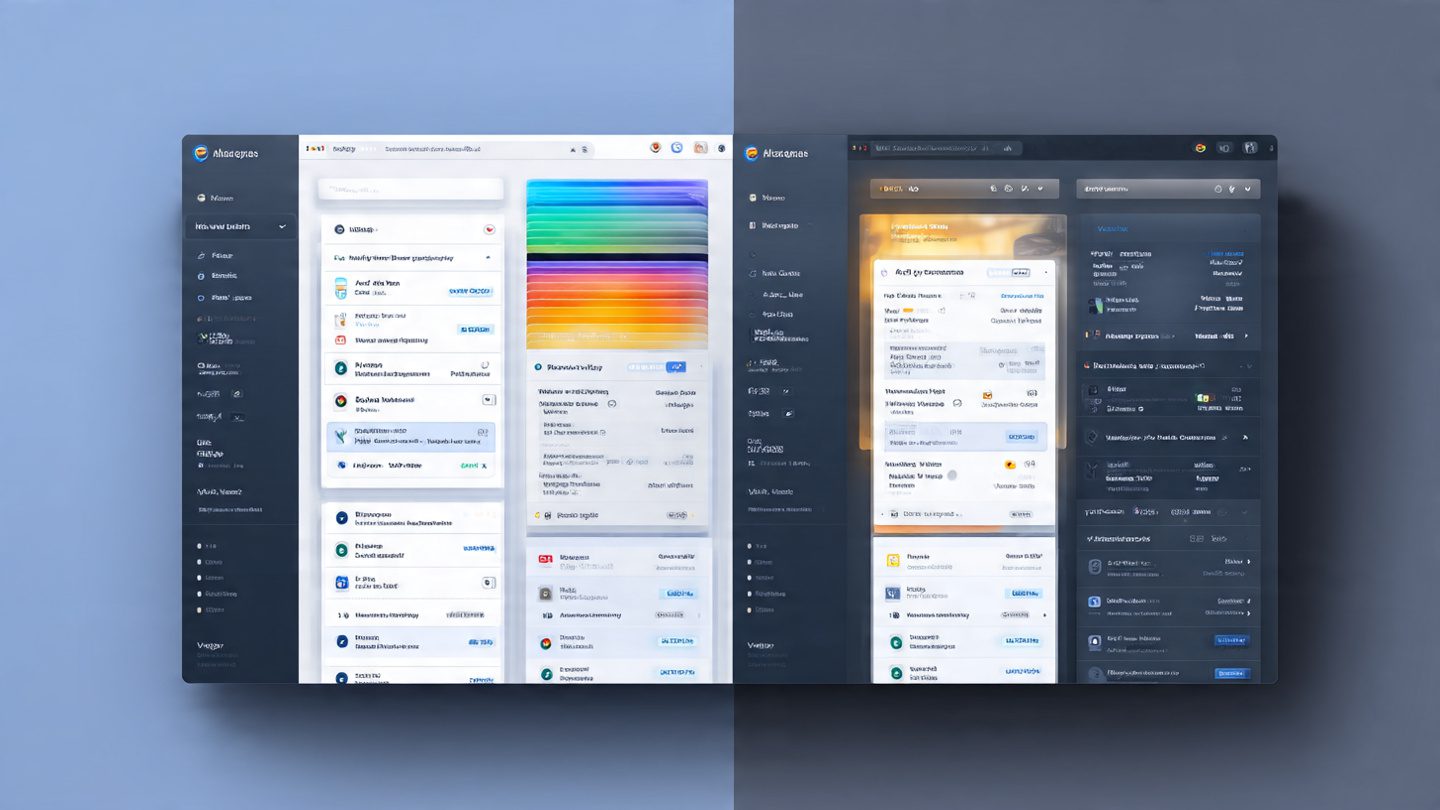
To evaluate security, you must understand how password managers protect your data. The core technology is encryption. Specifically, advanced encryption algorithms that scramble your information.
When you store a password, it is encrypted before being saved. This means it is never stored in plain text. Even if someone accesses the storage, they see only meaningless data.
The master password plays a crucial role. It is the key that unlocks your vault. Without it, your data remains inaccessible. This is why its strength is critical.
Many password managers also use key derivation functions. These make brute-force attacks extremely difficult. They slow down the process of guessing passwords significantly.
Multi-factor authentication adds another layer. Even if someone obtains your master password, they still need additional verification.
Local encryption is also common. Data is encrypted on your device before being sent to servers. This reduces exposure during transmission.
Understanding these mechanisms shows that security is deeply built into the system. But it is only as strong as its weakest point.
Risks of Using Free Password Managers
No system is perfect. Understanding the risks of using free password managers is essential for making informed decisions.
One major risk is limited features. Free versions may lack advanced security options like dark web monitoring or emergency access. This can reduce overall protection.
Another risk is company sustainability. Free services rely on business models that may include upselling or data analytics. While reputable companies maintain privacy, lesser-known ones may not.
Security updates are another concern. If a free password manager is not actively maintained, vulnerabilities can emerge. Hackers constantly look for outdated systems.
User error is also a significant factor. Weak master passwords or poor security habits can compromise even the best tools. The system is only as secure as its user.
There is also the risk of targeted attacks. Password managers are high-value targets. A successful breach could expose large amounts of data.
However, it is important to note that these risks exist with any digital tool. Awareness and proper usage significantly reduce them.
Free vs Paid Password Manager Security Comparison
The debate between free vs paid password manager security comparison is ongoing. Many users assume paid versions are automatically safer. This is not always true.
Paid password managers often include additional features. These may include advanced monitoring, priority support, and enhanced authentication options. These features improve overall security.
Free versions, however, often use the same core encryption technology. This means the fundamental protection level can be similar.
The difference lies in depth. Paid versions provide more layers of security. They offer more tools to detect and respond to threats.
Another advantage of paid services is continuous development. Companies invest more in improving their products when revenue is involved.
However, for basic users, free versions can be sufficient. If used correctly, they provide strong protection for everyday needs.
The key is understanding your risk level. Choose based on your needs, not assumptions.
How to Choose a Secure Password Manager
Choosing the right tool is critical. Knowing how to choose a secure password manager can make the difference between safety and vulnerability.
Start by researching the company. Look for transparency, security audits, and a strong reputation. Trust is essential when dealing with sensitive data.
Check for encryption standards. Ensure the manager uses industry-standard algorithms. This is the foundation of security.
Look for zero-knowledge architecture. This ensures your data remains private, even from the provider.
Evaluate available features. Even in free versions, essential security tools should be present. Avoid tools that lack basic protections.
User interface matters too. A complex system can lead to mistakes. Simplicity encourages consistent use.
Finally, consider community feedback. Reviews and expert opinions provide valuable insights.
Choosing wisely reduces risk significantly.
Best Practices for Using Password Managers Safely
Even the best tool can fail if used incorrectly. Following best practices for using password managers safely ensures maximum protection.
Create a strong master password. This is the most important step. It should be long, unique, and unpredictable.
Enable multi-factor authentication. This adds a critical layer of security. It protects your vault even if your password is compromised.
Keep your software updated. Updates fix vulnerabilities and improve security. Ignoring them creates risk.
Avoid accessing your password manager on public devices. These environments are less secure. They increase exposure to threats.
Regularly review your stored passwords. Update weak or reused ones. Continuous improvement strengthens your security.
Backup your data securely. This ensures you do not lose access in case of issues.
Consistency is key. Security is not a one-time action. It is an ongoing habit.
The Human Factor: The Weakest Link in Security
Technology is powerful, but humans remain the weakest link. Most security breaches occur due to human error, not system failure.
People choose convenience over security. They reuse passwords. They ignore warnings. They fall for phishing attacks.
Password managers reduce these risks, but they do not eliminate them. Users must still make smart decisions.
Education is critical. Understanding threats changes behavior. Informed users are harder to exploit.
Habits matter. Small actions repeated daily create strong security. Neglect leads to vulnerability.
Responsibility lies with the user. Tools provide protection, but only when used correctly.
Future of Password Managers and Digital Security
The future of password managers is evolving rapidly. New technologies are emerging to replace traditional passwords.
Biometric authentication is becoming more common. Fingerprints and facial recognition add convenience and security.
Passwordless systems are also gaining traction. These eliminate the need for passwords entirely. However, they are not yet universal.
Artificial intelligence is improving threat detection. It can identify unusual behavior and prevent attacks in real time.
Despite these advancements, password managers remain relevant. They bridge the gap between current systems and future solutions.
Staying informed ensures you adapt to changes. Security is a moving target.
How to Create a Strong Password That Can’t Be Hacked
What to Do If Someone Hacked My Facebook Account
How to Find Out If My Password Has Been Leaked Online. And How to Fix It.
Summary
Free password managers can be secure if chosen and used correctly. They offer strong encryption and essential protection, but may lack advanced features. Understanding risks, following best practices, and maintaining good habits are crucial. Security is not just about the tool—it is about how you use it.
FAQ
1. Are free password managers really safe?
Yes, if they use strong encryption and are from reputable providers.
2. What is the biggest risk of using a password manager?
A weak master password or poor user habits.
3. Do I need a paid password manager?
Not always. Free versions are sufficient for many users.
4. Can password managers be hacked?
While rare, breaches are possible, which is why strong security practices are essential.
5. Should I trust browser password managers?
They are convenient but may offer less security than dedicated tools.
CTA (Call-to-Action)
Take control of your online security today. Choose a reliable password manager, strengthen your master password, and build habits that protect your digital life every day.